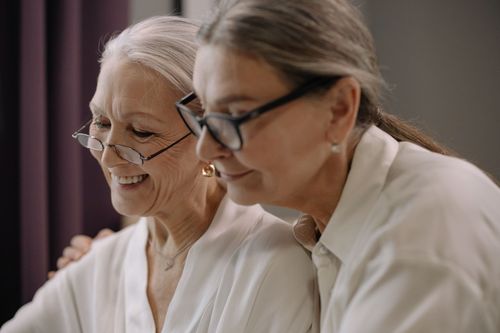
Loneliness is one of the most overlooked health threats older adults face, quietly raising the risk of serious disease as much as some physical conditions do. Combating loneliness in seniors means rebuilding regular social connection through programs like senior centers, group activities, volunteering, classes, and faith communities, because social isolation raises the risk of heart disease, stroke, and dementia and affects roughly one in four adults over 65. The encouraging news is that staying engaged is both achievable and powerfully protective for body and mind.
Why Loneliness in Seniors Is a Serious Health Issue
Loneliness is not just an emotional hardship; it carries real physical risk. About one in four adults aged 65 and older are socially isolated, and the health consequences are significant.
According to the CDC, poor social connection is linked to a 29 percent higher risk of heart disease and a 32 percent higher risk of stroke. Among older adults, loneliness raises the risk of dementia by roughly 50 percent, alongside higher rates of depression, anxiety, and diabetes.
Researchers compare the mortality effect of chronic loneliness to that of smoking, which is why social connection deserves the same attention families give to diet, exercise, and medication. Engagement is not a luxury; it is part of staying healthy.
Signs an Older Adult Is Isolated
Isolation often hides in plain sight, since a person may not say they are lonely. A few signs help families spot it early.
Withdrawing from activities: Dropping hobbies, clubs, or outings they once enjoyed. Few social contacts: Going days without speaking to anyone, or having lost friends and a spouse. Low mood or energy: Sadness, apathy, or sleeping far more than usual. Neglecting self-care: Skipping meals, grooming, or letting the home go, which can accompany isolation.
When several of these appear, especially after a loss or a move, an older adult may need help rebuilding connection before isolation deepens.
Talk to a Local Advisor
Free help comparing communities and current pricing in your area. No cost, no pressure.
Social Programs That Keep Seniors Engaged
The most effective antidote to loneliness is regular, meaningful contact, and many proven programs make that possible. The best fit depends on a person's interests and abilities.
Senior centers: Local centers offer meals, classes, games, and outings, providing built-in social contact several days a week. Volunteering and purpose: Helping others or working toward a cause connects people and restores a sense of meaning, which research links to lower loneliness. Classes and hobbies: Art, exercise, music, and learning groups build friendships around a shared interest. Faith and cultural communities: Congregations and cultural groups offer belonging, routine, and support.
Intergenerational programs, which pair seniors with children or students, are especially powerful, since they give older adults a valued role and fresh energy. The goal is a regular rhythm of connection, not a single event.
How Technology Helps Seniors Stay Connected
Technology cannot replace in-person contact, but it bridges distance and keeps relationships alive between visits. For many families it has become an essential tool.
Video calls let a grandparent see grandchildren who live far away, and simple tablets or smart displays make this easy even for those uncomfortable with computers. Online classes, faith services, and interest groups bring community to those who cannot easily leave home, and a few minutes of help setting up these tools often pays off in daily connection.
The key is choosing devices that match a person's comfort level. The simplest option a loved one will actually use beats the most capable one they avoid.
How Senior Living Communities Reduce Loneliness
One of the quieter benefits of senior living is built-in social connection, which directly addresses isolation. For a person living alone, a community can transform daily life.
Assisted living and independent living communities offer shared meals, daily activities, clubs, and outings, so company is always close at hand. Neighbors become friends, staff provide consistent contact, and a person who spent days alone at home suddenly has a full social calendar. For many families, this lift in mood and engagement is one of the most noticeable changes after a move.
This social benefit is easy to undervalue when weighing a move, yet for an isolated older adult it can matter as much as the care itself.
How Families Can Help
Family involvement makes a real difference, even from a distance. Small, consistent efforts add up to meaningful connection.
Schedule regular calls or visits a loved one can count on, help them find and get to a local program, and encourage a hobby or volunteer role that gives the week structure. Watch for the signs of isolation after a loss or move, when the risk is highest, and treat reconnection as a shared project rather than something the person must solve alone.
Pairing social connection with attention to memory and mood matters too, since isolation and cognitive decline can feed each other. Staying engaged protects both.
Prefer to talk it through? A local advisor can answer your questions and compare current pricing, free.
(385) 200-2175Building a Weekly Connection Routine
Loneliness eases most when connection becomes a habit rather than a rare event. A simple weekly rhythm gives an older adult something to anticipate.
- Set one standing social activity a week, such as a senior center day, class, or club meeting.
- Schedule a regular call or visit from family on the same day each week.
- Add a purpose-driven role, like volunteering or a hobby group, that brings ongoing contact.
- Use a video call midweek to stay connected with distant family between visits.
- Keep a backup plan for hard weeks, such as a phone friend or a community program that is always open.
Consistency matters more than variety. A predictable routine of contact protects against the slow drift back into isolation that often follows a single missed week.
When to Talk to a Local Advisor
When loneliness is shaping a loved one's health, a more social living arrangement is sometimes the best remedy, and a local guide can help explore it. A senior advisor knows which assisted living and independent living communities across Utah offer the richest social life. For families watching for related changes, the guide to early signs of cognitive decline is a useful companion read, and the National Institute on Aging offers practical tips for staying connected. Reaching out for local guidance costs nothing and can help a loved one rebuild a fuller, healthier life.
This article is informational only and is not medical advice. For concerns about a loved one's mental or physical health, consult a qualified healthcare provider.