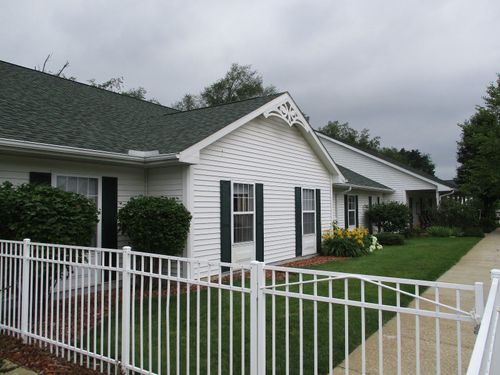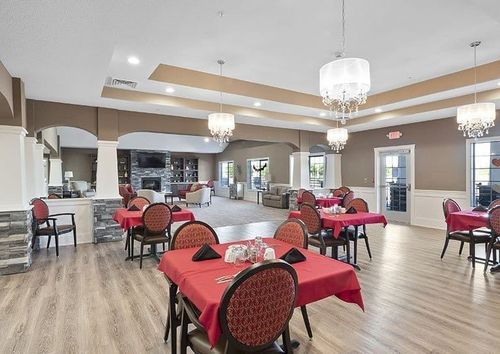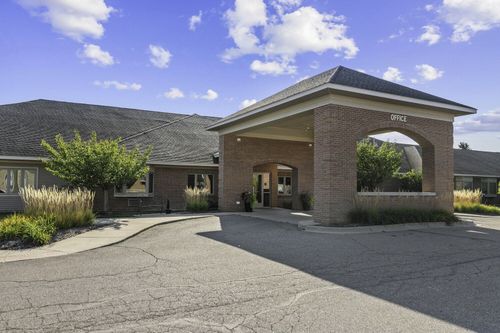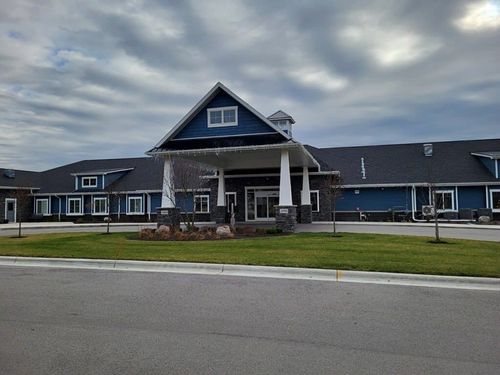

Located near the historic Lenawee County courthouse, Adrian features a small number of specialized memory support options designed to shelter individuals navigating cognitive decline. Families here frequently weigh whether a standalone secure environment or a specialized wing attached to a broader residential campus best serves a relative with Alzheimer disease. Local choices range from intimate settings with 45 beds up to larger regional setups hosting 85 beds, giving relatives distinct choices in physical scale and social density.
Daily Routines Within Protected Spaces
Secured environments in this Lenawee County seat rely on continuous supervision and structured daily schedules to reduce anxiety for individuals with memory loss. Staff members guide participants through familiar tasks, such as supervised dining and tactile group exercises, to maintain a sense of personal rhythm. Environmental cues, secured courtyard perimeters, and specialized interior hallways prevent wandering while encouraging freedom of movement within safe boundaries.
Daily interactions focus heavily on honoring individual histories rather than rigid timetables. Certified aides assist with personal hygiene and mobility while incorporating familiar domestic habits into the morning and afternoon hours. A few locations even accommodate household animal companions, allowing residents to maintain emotional bonds with familiar pets.
Financial Realities of Local Memory Support
Navigating memory care expenses in southeast Michigan requires a clear look at monthly private pay rates. At Charlotte Stephenson, baseline monthly fees start at $5,761, reflecting the specialized staffing levels required for cognitive support. Other local addresses like Brookdale Adrian round out the immediate municipal landscape, though precise out of pocket figures vary based on individual tier assessments.
Financial planning must account for tiered pricing structures where basic room and board charges combine with incremental fees for medication administration or physical assistance. Local resources do not feature public benefit coverage through Medicaid programs within these specific private facilities, meaning families rely heavily on private savings, long term care insurance, or veteran benefits to sustain residency over time.
Local Demographics Shaping Regional Demand
An aging regional population across Lenawee County drives a steady, predictable need for secure residential spaces tailored to progressive cognitive impairment. Adult children frequently find themselves searching for local solutions when managing safety concerns at home becomes unsustainable. Because local capacity remains tightly constrained by the small number of regional providers, proactive planning helps families secure appropriate placements before crisis moments arrive.
Local families also look for proximity to regional health infrastructure, including nearby medical centers along Riverside Avenue, ensuring seamless transport during routine checkups or emergency evaluations. This geographic stability allows spouses and adult children to visit frequently, preserving vital relational ties without enduring long distance travel across southern Michigan.
Choosing This Community for Memory Support
Families select local memory support in Adrian to keep relatives rooted near lifelong social networks and familiar Lenawee County landscapes. Staying close to familiar geography minimizes environmental disorientation when transitioning from a private home into a supervised setting. Furthermore, local leadership understands the distinct character of families in this agricultural and industrial hub, fostering an atmosphere of localized trust and practical compassion.
Choosing the right environment involves balancing the intimacy of smaller residence layouts against the resource depth of larger campuses. Whether touring a dedicated perimeter building or a specialized secure wing, relatives prioritize stable staffing ratios and transparent communication over superficial building decorations. This grounded approach ensures that residents receive respectful, attentive daily oversight tailored to their neurological needs.
Guidance Through Complex Family Transitions
Navigating the logistics of memory support requires careful attention to facility admission criteria, potential future healthcare changes, and financial sustainability. Families benefit from evaluating how an environment accommodates progressive disease stages, ensuring an individual does not face disruptive relocation if care needs escalate. An experienced advisor helps relatives assess these structural factors objectively, mapping out timelines for private resource allocation without friction.
When you are ready to explore local options and want to talk it through, reach out to map out a clear path forward.
Our directory for Adrian continues to grow as we evaluate providers for quality and alignment in 2026. Start the conversation about memory care in Adrian, or scan the buildings we cover at your own pace.