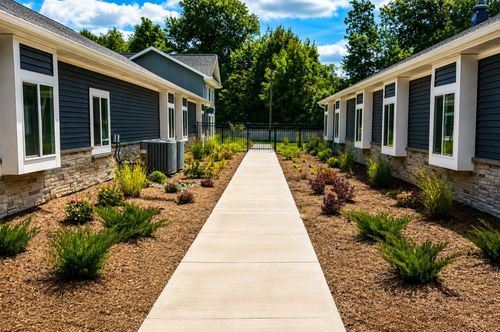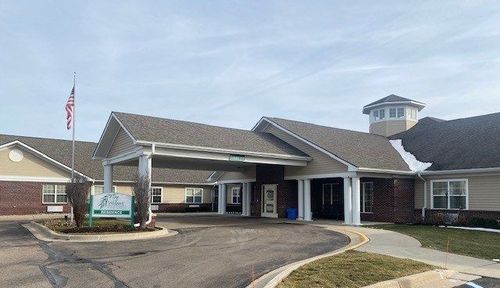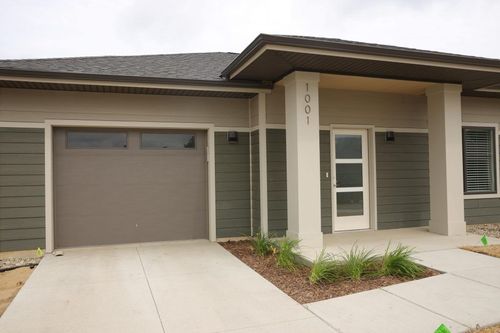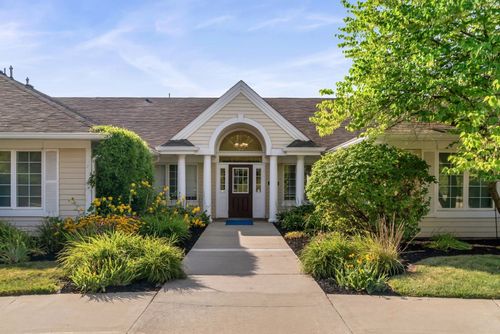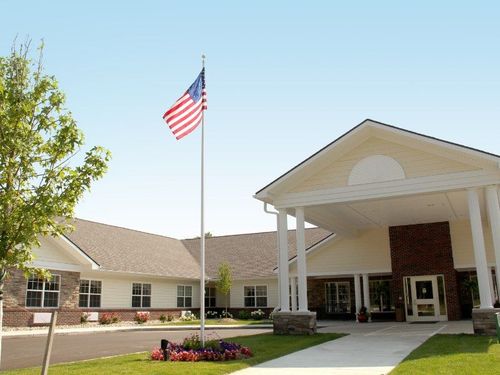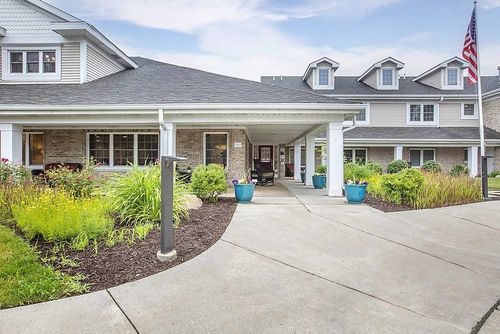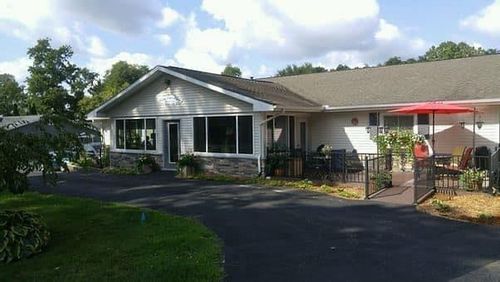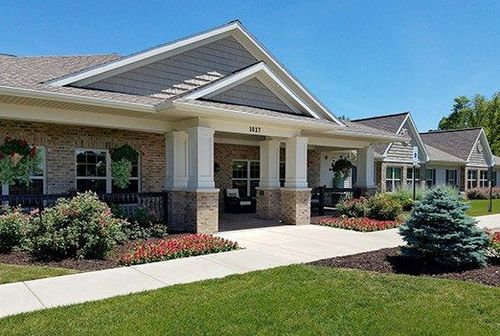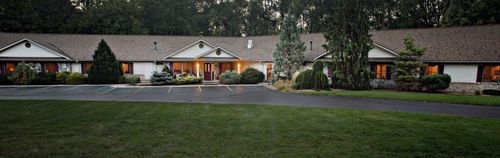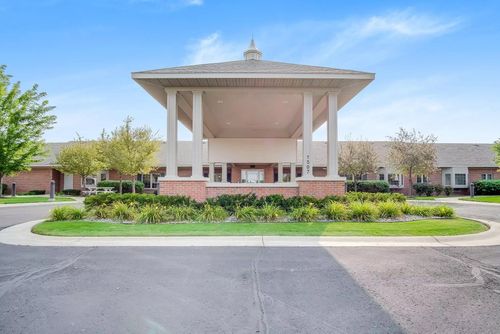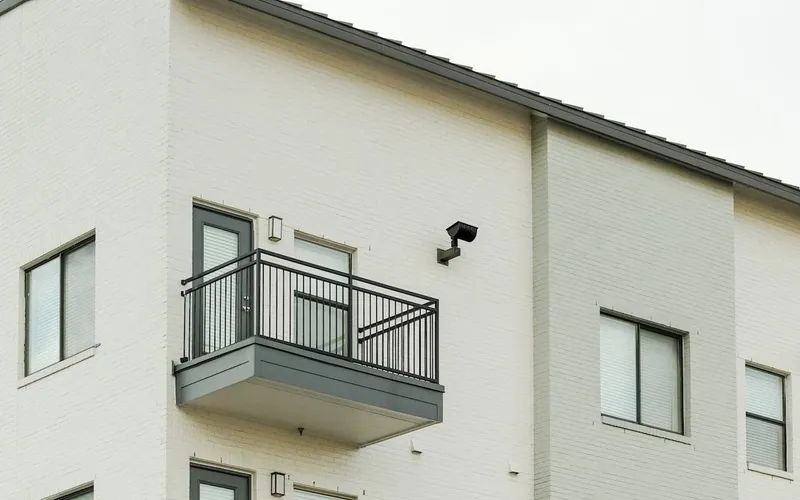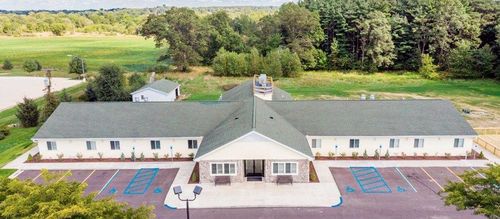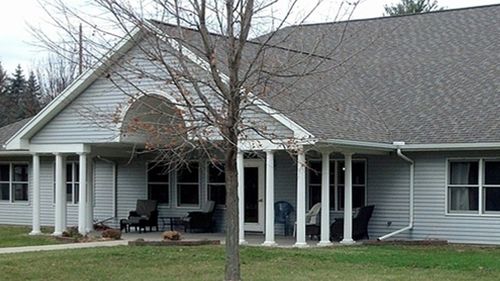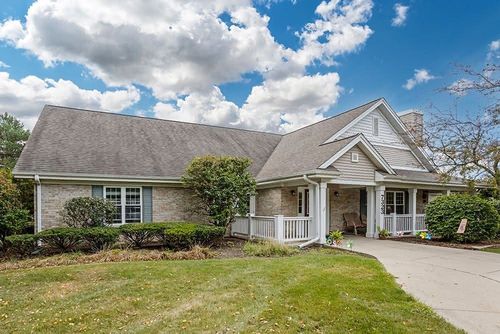
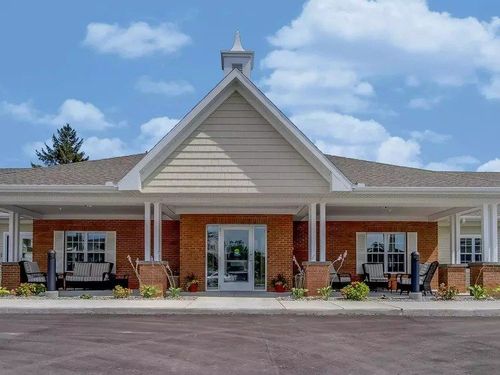
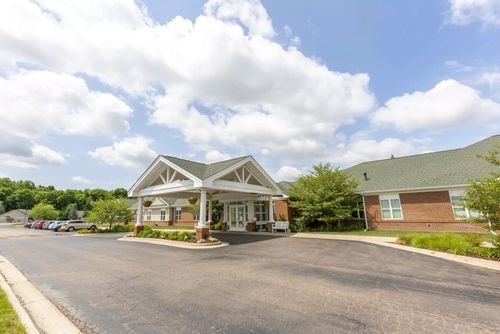
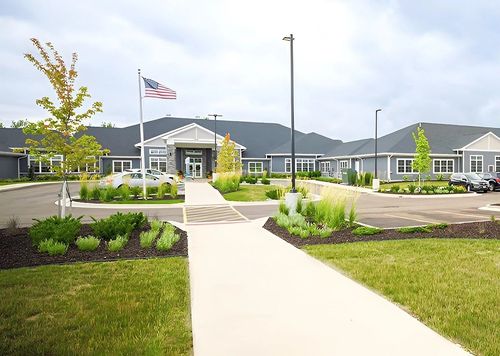
Eaton County operates within a localized care network where a handful of licensed residential environments span a modest capacity range, starting from small homes with twenty-four beds up to larger community settings accommodating seventy residents. Families navigating this rural and suburban stretch of Michigan find that local options balance quiet residential surroundings with structured access to medical corridors connecting Charlotte, Eaton Rapids, and the fringes of Lansing.
Daily Routines and Specialized Assistance
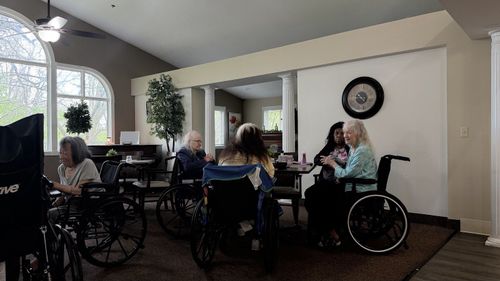
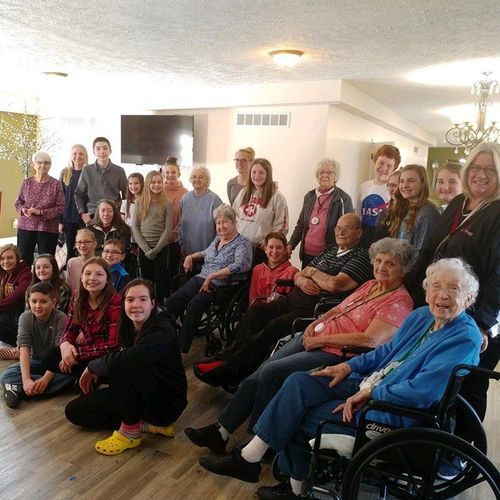
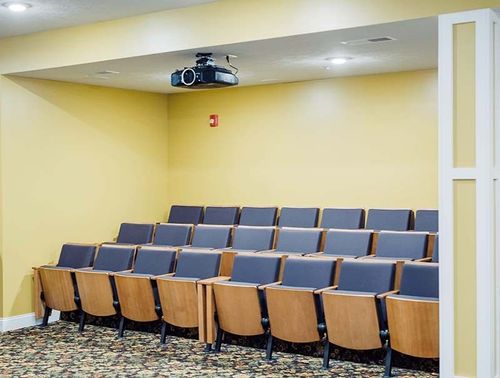
Residents moving into these local settings experience a shift from isolated home management to coordinated daily support. Care teams assist with medication administration, mobility reminders, and personal hygiene while encouraging participation in shared dining rooms and modest indoor social hours.
Daily schedules are shaped by the rhythms of small and mid-sized properties rather than massive institutional complexes. Morning routines prioritize personalized assistance with grooming and breakfast, followed by quiet localized activities, therapy walks, and structured afternoon engagement tailored to individual physical capabilities.
Understanding Local Financial Commitments
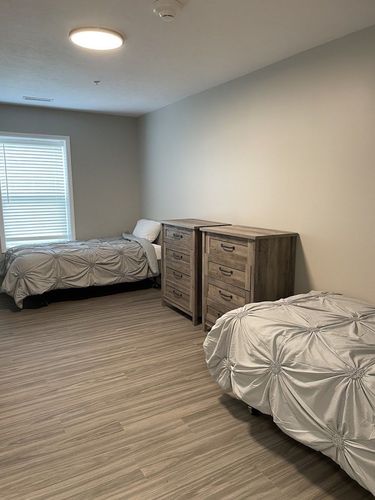
Monthly costs for residential care in this region reflect regional economic realities, with baseline rates stretching from $3,500 to $4,800 per month depending on the specific floor plan and the tier of personal assistance required. Specific properties illustrate this range clearly, such as Bridgeway Park Senior Living starting at $3,790 per month, Gunnisonville Meadows opening at $3,975 per month, and Grandhaven Living Center 2 (Pier) beginning around $4,061 per month.
Additional options like Bridgeway Park Lansing price their baseline entry at $4,500 per month. Families must evaluate base room charges against tiered care add-ons, noting that none of these local catalog choices accept Medicaid for baseline assisted living residency at admission.
Regional Demand and Demographic Pressures
An aging rural population across Eaton County generates steady, predictable demand for mid-tier assisted living openings. Adult children frequently seek local placements to keep aging parents close to lifelong social roots without forcing a disruptive move into major metropolitan centers.
This localized demand means vacancies at well-regarded properties can tighten during peak seasonal transition periods. Planning ahead allows families to secure preferred room layouts before regional availability dips.
Why Families Choose Local Placement
Choosing a regional home rather than searching far afield helps preserve vital continuity for older adults. Familiar highway routes, nearby family farms or neighborhoods, and local medical providers make ongoing visits manageable for busy relatives.
Furthermore, the physical scale of these properties fosters a tight-knit community feel. Residents interact with the same caregiving staff daily, which builds strong familiarity and reduces the anxiety often associated with transitioning out of an independent household.
Navigating Transitions and Finding the Right Fit
Local advisory guidance helps families untangle complex entry criteria during high-stress moments. Openings often arise during sudden hospital discharge windows when decisions must be made swiftly and accurately.
Understanding financial timelines, such as the absence of Medicaid funding at these specific locations, prevents costly missteps. Families evaluating structural fit across these options can talk it through.
Our Eaton County directory keeps expanding as we evaluate providers for quality and alignment in 2026. Reach out for a conversation about assisted living in Eaton County, or browse the communities we have vetted at your own pace.