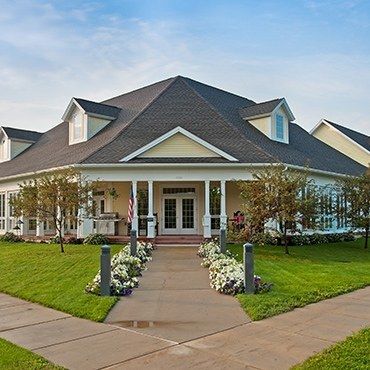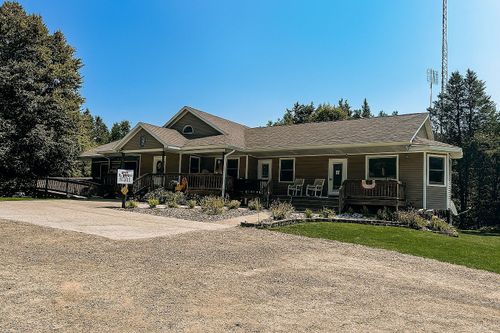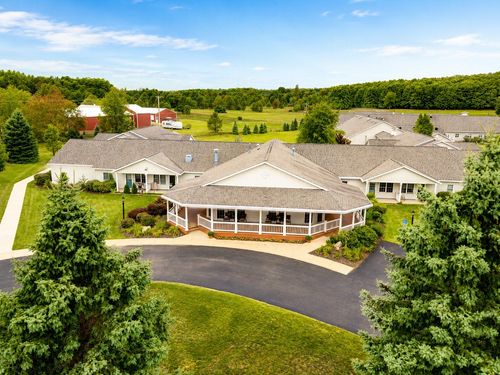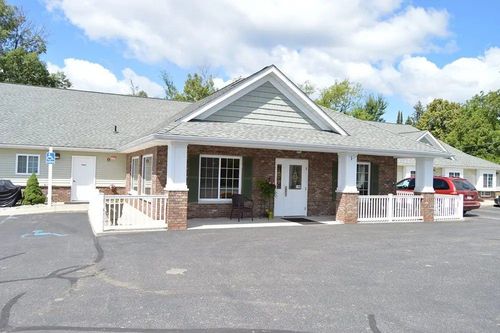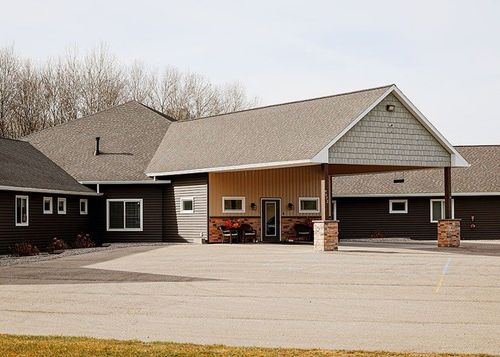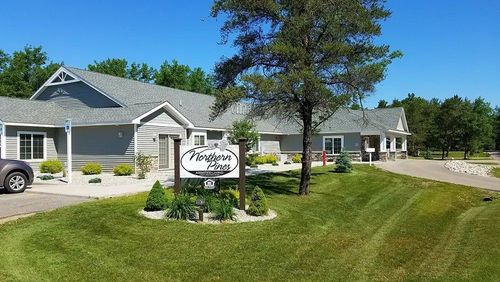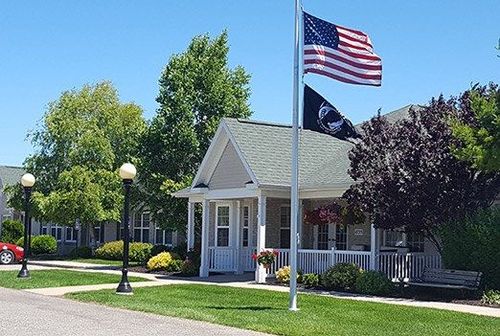


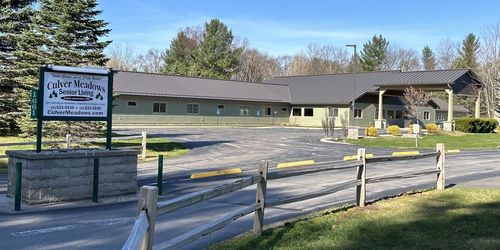
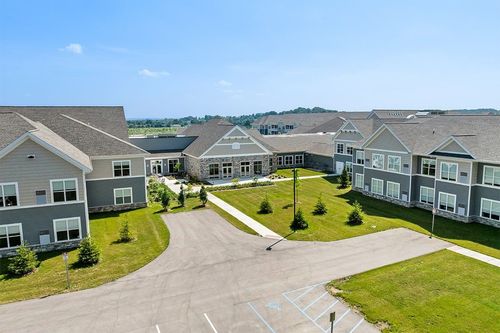
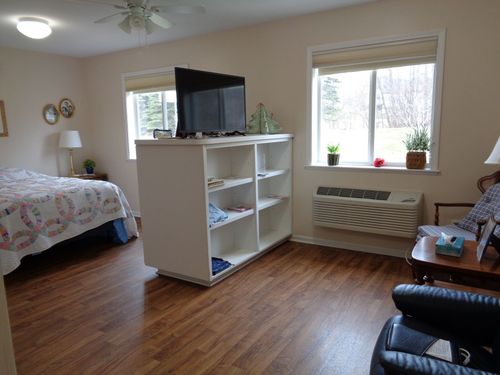
Grand Traverse County provides senior housing options that stretch from the quiet bays of Traverse City down through rural agricultural townships. Families navigating this local market will find a handful of assisted living communities designed to bridge the gap between independent living and skilled nursing care. These environments balance personal independence with structured medical supervision. The local landscape features a mix of smaller, residential-style care homes and expansive, campus-like settings. Selecting the right fit involves looking past the physical real estate to evaluate how a community handles the daily rhythms of aging. Because options here are relatively selective, understanding the specific care culture of individual locations helps families make confident decisions that support long-term stability and comfort.
Navigating the Daily Routine of Personal Assistance
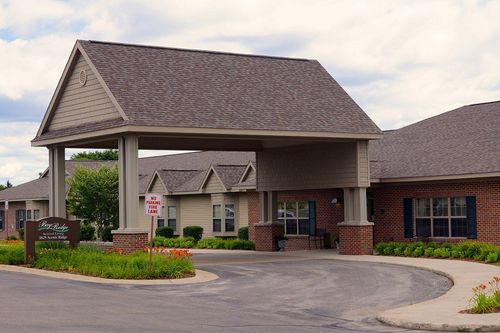
Daily life in a local community centers on predictable, supportive routines that respect individual preferences. In settings like Bay Ridge Assisted Living, residents receive structured help with bathing, dressing, and managing medication schedules. Staff members are available around the clock to assist with mobility or personal hygiene, ensuring that help is always nearby when needed.
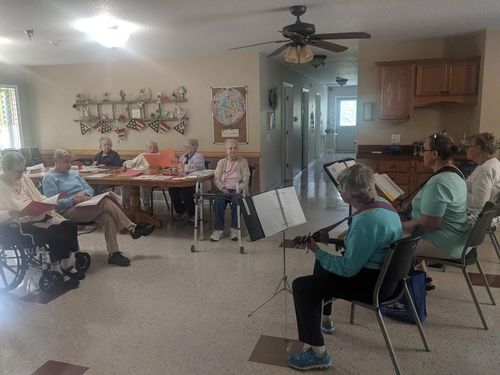
Nutritional support and social interactions are woven directly into the daily schedule. Shared dining rooms serve three prepared meals each day, eliminating the burden of grocery shopping and cooking. Regular activities, from gentle exercise groups to local outings, keep residents engaged with their peers and the broader Traverse City area.
Budgeting for Senior Care in the Region
Financial planning for residential care requires an understanding of local market rates. Across the county, monthly base rates for assisted living span from $3,800 to $8,200 per month. The wide range reflects differences in apartment sizes, building layouts, and the level of personal care a resident requires each day.
Specific communities establish their own entry-level pricing based on their service models. For example, Boardman Lake Glens: Highlander features a starting rate of $3,800 per month, while Cherry Hill Haven III positions its entry-level care at $4,500 per month. Families should look closely at how communities bill for changing care needs over time.
The Rising Demand for Regional Senior Housing
The local population is aging rapidly as more retirees choose to remain in northern Michigan. This demographic shift creates steady pressure on the limited number of assisted living spaces available in the area. Openings do not last long, particularly in highly regarded communities.
Because the local field size consists of a handful of properties, available apartments fill quickly. Families often find that planning several months in advance is necessary to secure a preferred room type. Waiting until an urgent care need arises can severely limit your choices.
Why Local Families Choose Assisted Living
Many families choose residential care when managing a home becomes a safety risk or an emotional burden. The icy northern Michigan winters make clearing driveways, navigating steps, and driving to medical appointments difficult for isolated seniors. Moving to a managed community removes these seasonal hazards entirely.
Professional care teams also relieve family members from the stressful role of primary caregiver. Relatives can focus on enjoying quality time together rather than managing prescriptions and household chores. The structured environment provides peace of mind that a senior is safe, well-felt, and socially active.
Strategic Placement Advice for Families
Navigating the entry requirements for local care involves careful timing and planning. Families should look into the specific health assessments required by a community before an emergency occurs. If a senior is currently navigating a hospital discharge, coordination between medical social workers and housing directors must happen immediately to prevent care gaps.
Understanding long-term financial strategies is equally important for local placement. Medicaid funding is exceptionally limited in this region, as only one community in the county accepts this plan for assisted living expenses. Finding a building that fits a senior's physical needs and social preferences takes time, so we should take a short conversation to look over your options.
The Grand Traverse County directory continues to grow as we evaluate providers for quality and alignment in 2026. Start the conversation about assisted living in Grand Traverse County, or look through the buildings we cover at your own pace.