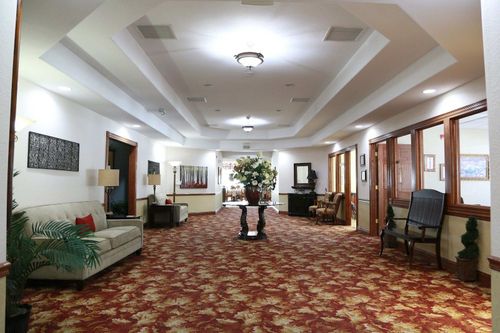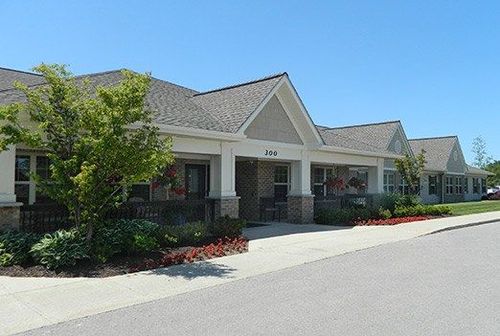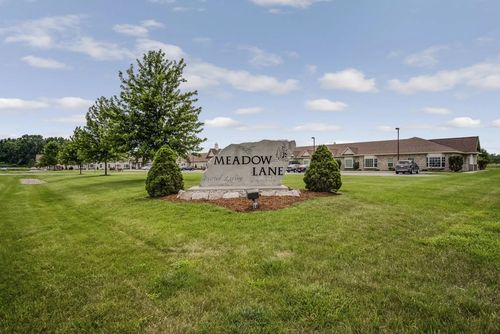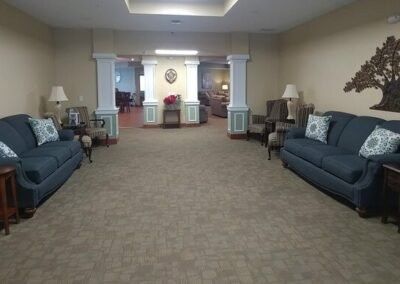
Secured dementia care on the Lake Huron shore of Iosco County is provided inside Oscoda Senior Care, the same twenty-bed building that offers the county's assisted living. A change in cognition therefore does not necessarily mean a change of address, which in a county with one senior living building is a more meaningful fact than it sounds.
It also means the decision arrives differently than in a larger market. Families here are rarely comparing secured areas; they are working out whether the one they have access to can hold the person they love, and doing that well before the question becomes urgent.
Familiar Faces in a Small Building
Dementia care runs on recognition rather than on facilities. Someone who can no longer summon a name still knows a face and a voice, and it is that knowing which keeps an ordinary morning from tipping into fear, so caregiver stability counts for more here than anywhere else in senior living.
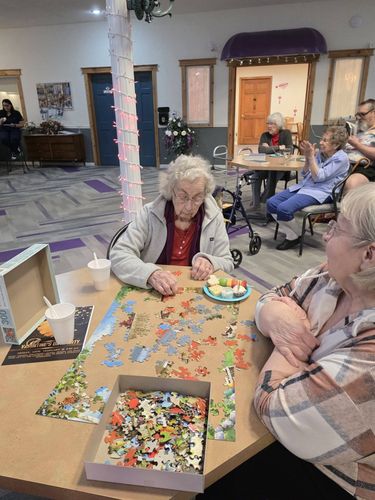
A twenty-bed building is unusually well placed for that. The same handful of caregivers cover most shifts, meaning a resident encounters a familiar person at nearly every hour and habits get learned rather than charted, and the day is built on repetition: the same rooms at the same times, medications from people already known, activity blocks short enough to complete. The trade-off worth asking about directly is depth of staffing on a hard evening, because a small team has less to draw on when one resident needs sustained attention.
Pricing a Secured Stay With No Waiver Behind It
The building's published starting figure is $4,500 a month, with secured dementia care charged above whichever care level a resident is assessed at, so that number is where the arithmetic begins rather than where it ends. What lifts the secured figure is staffing density and overnight coverage rather than a larger room.
No Medicaid route exists in this county, which puts the whole weight of a stay on private resources. For a shoreline county where a lot of households retired on Social Security and a modest pension, that makes the length of the runway the governing question, and it is answered by pricing the secured rate at a realistic care level rather than the entry rate. Insurance bought decades ago, or the veterans' Aid and Attendance pension, is frequently what extends it, and neither is arranged quickly.
Dementia in the Oldest County Around
Close to a third of Iosco County's residents are past sixty-five, among the highest shares in Michigan, and dementia becomes more common with age. Put those two facts together against one secured area and the pressure on it is not hard to work out.
Rooms here also open from the inside rather than onto an open market. Because the secured area sits within a building that runs assisted living too, space usually frees when a resident already living there moves into it or when someone's stay ends, which means a household already known to the building hears about it well before anyone calling for the first time.
The Case for Staying on the Shore
Dementia visiting rewards frequency far more than length, since twenty minutes at a good hour achieves more than an afternoon at a bad one. That pattern survives only when the drive is short, which for a family anywhere between Oscoda and the Tawases it is.
Frequency is also how a family stays informed, because someone visiting several times a week notices what a phone call cannot: that a resident is clearer before lunch than after, or that a medication change has dulled them. Those observations are the raw material of a care conference. Continuity of doctors matters as much, and MyMichigan Medical Center Tawas, about sixteen miles down US-23, is the county hospital; note the name when searching older listings, since it carried the Ascension St. Joseph name until MyMichigan Health took it over.
Judging One Secured Area Honestly
With a single secured area in the county, the useful work is not comparison but interrogation. Whether space is genuinely free this month, what the secured rate comes to at a realistic care level, how long the caregivers have been there, and what the building did the last time a resident's behaviour became difficult in the evenings: those answers decide whether a move works, and none of them are printed anywhere.
The harder question is where the building's limit sits, and it should be asked before a move rather than during a crisis. Every secured setting has a point past which it cannot safely go, and knowing that point in advance is what separates a plan from a hope. It costs a household nothing to reach out and get those answers before the first tour.
Our directory for Iosco County continues to grow as we evaluate providers for quality and alignment in 2026. Reach out for a conversation about memory care in Iosco County, or browse the communities we have vetted at your own pace.