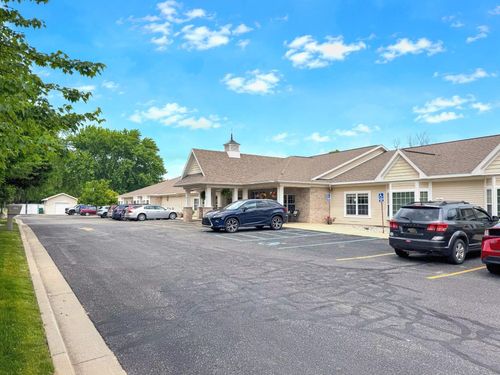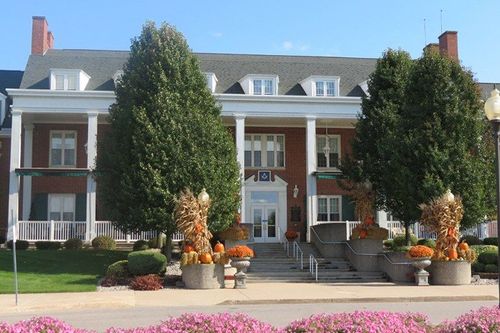


Isabella County anchors central Michigan around Mount Pleasant, where rural agricultural townships meet a bustling university hub, creating a distinct regional environment for aging adults and their relatives. Families exploring local residential care find a handful of licensed properties spread gracefully across this diverse landscape rather than dealing with an overwhelming urban sprawl.
Navigating this county means carefully balancing proximity to regional health systems with the quiet, restorative pace of mid-Michigan fields. Local choices reflect this exact balance, offering intimate residential settings where daily routines remain firmly grounded in familiar regional rhythms and community connections.
Daily Routines and Supportive Care
Residents experience a predictable daily rhythm focused heavily on personal assistance with vital daily tasks, including professional medication management, attentive mobility support, and freshly prepared meal service. Staff members assist with dressing, grooming, and hygiene while gently encouraging as much personal independence and choice as possible within comfortable daily schedules.
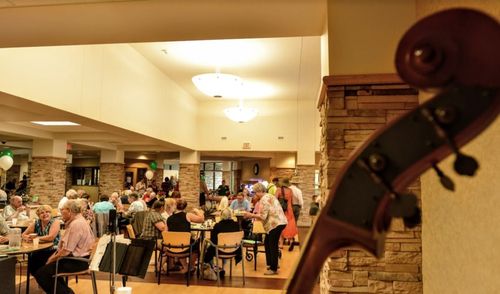
Shared dining rooms and inviting common sitting areas encourage warm social contact among neighbors during morning coffee, balanced meals, and afternoon gatherings. Individualized care plans adapt naturally as physical needs evolve over months and years, ensuring ongoing support remains aligned with personal health changes without disrupting established living arrangements.
Local Financial Realities
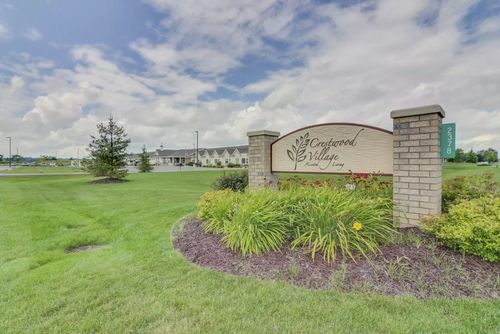
Monthly fees for residential support in Isabella County generally range from $3,500 to $4,500 depending on the specific property and the precise level of personal assistance required. For instance, Country Place Senior Care Center begins around $3,500 per month, while DIVINE LIVING CENTER OF MT PLEASANT starts at $4,500 per month. Additional community choices like Applewood Assisted Living at $3,800 and Crestwood Village Assisted Living & Memory Care at $4,100 clearly illustrate this localized pricing tier.
Private pay remains the standard financial model throughout this county since none of the licensed facilities accept Medicaid waiver payments upon initial entry. Families must budget carefully for these baseline monthly commitments while factoring in potential future increases as personal care needs expand over time.
Regional Senior Population Trends
Aging demographic shifts across central Michigan drive a steady, measured demand for supportive residential settings near established family networks. Adult children frequently look for local options to keep aging parents close to lifelong homes located right in Mount Pleasant or the surrounding rural townships.
This regional preference for aging in place locally keeps small and mid-sized residential options consistently utilized by neighboring families seeking reliability. Local facilities fill a vital community gap for seniors who require regular physical support but do not need intensive, hospital-level clinical nursing environments.
Reasons Families Choose Local Options
Families typically initiate this residential transition when managing household upkeep, independent meal preparation, and complex medication tracking becomes exhausting at home. Moving into a supportive environment relieves worried relatives from daily caregiving strain while providing a safe, secure setting for older adults.
Proximity to familiar grocery stores, local medical clinics, and cherished community landmarks helps reduce the emotional friction of relocation significantly. Maintaining these geographic ties allows older adults to preserve a healthy sense of personal identity rooted deeply in Isabella County.
Navigating Choices and Professional Guidance
Local advisory support helps families evaluate fluctuating residence openings across the region before an unexpected hospital discharge forces a rushed, high-stress decision. Advisors map out realistic financial timelines, especially regarding private pay exhaustion and future Medicaid timing constraints, while evaluating whether a smaller 12-bed home or a larger 57-bed community fits a parent's unique temperament.
Understanding physical building layouts and daily staffing ratios ensures that a chosen residence can safely accommodate progressing mobility challenges over the long haul. Families navigating these complex decisions can talk it through by connecting with a knowledgeable local advisor today.
Our Isabella County directory keeps expanding as we evaluate providers for quality and alignment in 2026. Start the conversation about assisted living in Isabella County, or scan the buildings we cover at your own pace.