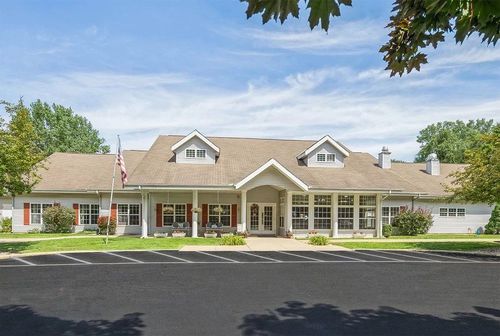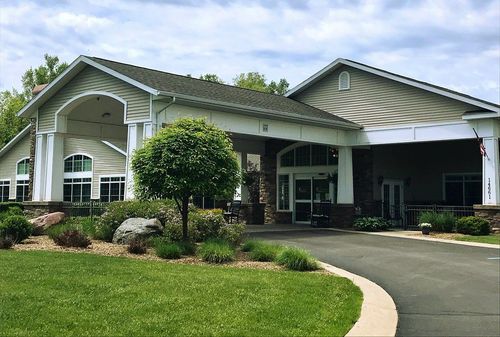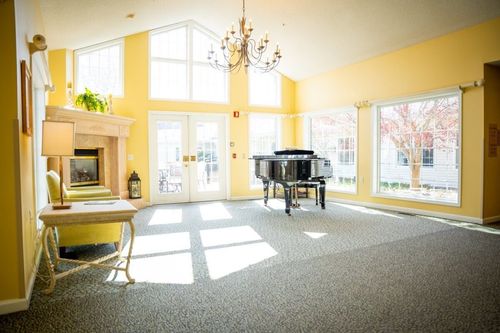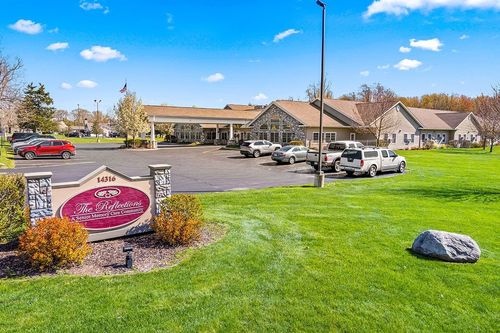

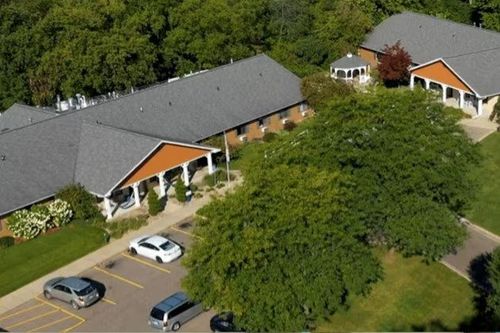

Kalamazoo County houses a handful of residential care settings spanning facilities from forty-five beds up to eighty-five beds across Portage, Kalamazoo, and surrounding townships. Families navigating this region encounter choices rooted deeply in midwestern community traditions, where local institutions reflect the agricultural and educational heritage of southwest Michigan. Evaluating these regional homes requires looking past basic brochures to understand how daily life functions within these specific walls. Local options range from historic neighborhood settings to modern suburban campuses.
Daily Rhythms and Personal Care Support Inside Local Residences
Support routines in this county revolve around predictable medication management, mobility assistance, and structured personal hygiene aid delivered by trained aides. Residents at locations like Park Village Pines experience structured morning assistance alongside communal dining schedules that anchor the day. Staff members coordinate closely with local health networks in Kalamazoo to ensure physical therapy and regular check-ups integrate smoothly into weekly life.
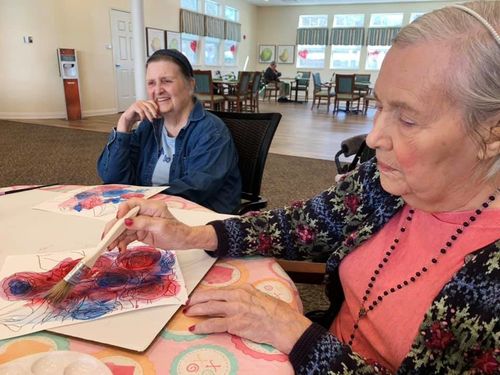
Afternoon hours typically transition into localized social gatherings, courtyard strolls, or quiet reading periods tailored to individual cognitive and physical thresholds. Staff members adapt their presence depending on whether a resident requires subtle standby supervision or hands-on physical transfer support. This individualized balance prevents over-assistance while maintaining safety across communal hallways and private suites.
Understanding Monthly Rates and Regional Financial Structures
Monthly baseline fees across the county begin around $3,450 per month and scale upward to $7,188 per month depending on the depth of clinical oversight required. Premium settings like Meilland Square Assisted Living reflect the higher end of this financial spectrum through specialized staffing ratios and comprehensive daily service bundles. Basic tier entries at facilities such as Park Place Senior Living B provide foundational room and board with incremental add-ons for specialized nursing tasks.
Navigating these costs involves evaluating private resources, long-term care insurance policies, and regional aid availability. Only one local program formally participates in Medicaid waiver structures, making early financial mapping essential for families anticipating long-term resource transitions. Budget planning must account for annual rate adjustments and potential shifts in personal care tiers as individual support needs evolve over time.
Regional Demographic Pressures and Senior Housing Demand
Growing populations of older adults across southwest Michigan have steadily increased regional demand for responsive residential care environments. Families frequently initiate searches after noticing subtle household safety lapses or escalating caregiver fatigue during winter months in Michigan. Local hospitals and rehabilitation clinics frequently discharge recovering seniors directly into these regional settings when home management becomes unfeasible.
This steady regional demand means regional waitlists fluctuate depending on seasonal discharge spikes and specialized unit availability. Securing a preferred room often requires proactive outreach well in advance of an actual crisis point. Local families benefit from monitoring multiple regional properties simultaneously rather than pinning hopes on a single overburdened location.
Why Families Choose County Residences Over Isolated Living
Choosing a local residence often stems from a desire to keep aging relatives connected to familiar regional geography and community roots. Relatives find immense comfort knowing grocery runs along West Main Street or visits to local parks remain within easy visiting distance for family members. Furthermore, structured nutritional planning and built-in socialization eliminate the isolation that frequently plagues older adults living alone in rural townships.
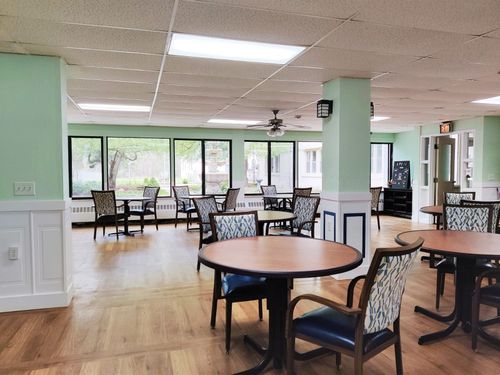
Safety considerations also drive this transition, particularly regarding medication adherence and prompt emergency response during sudden health fluctuations. Knowing professional assistance remains accessible down the hall provides profound psychological relief for adult children juggling their own careers and households. The communal dining room transforms mealtimes from an isolated chore into a reliable daily touchpoint.
Navigating Local Openings and Making the Final Choice
Finding the right physical environment requires balancing current room openings against specific clinical needs and financial constraints. An experienced local advisor tracks shifting bed counts, Medicaid eligibility windows, and discharge timing to align a family with an appropriate physical setting. Building layouts matter immensely, especially for residents requiring straightforward navigation without confusing architectural loops or excessive stairwells.
Transitioning an aging parent demands careful timing around medical readiness and emotional alignment with a new environment. To start exploring your options and find the right match for your family, reach out for a short conversation.
Our Kalamazoo County directory keeps expanding as we evaluate providers for quality and alignment in 2026. Start the conversation about assisted living in Kalamazoo County, or look through the buildings we cover at your own pace.