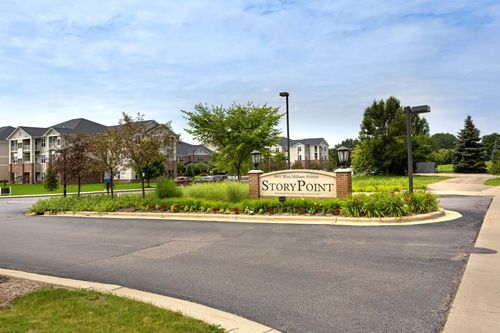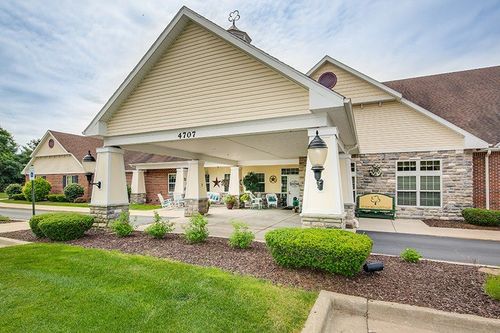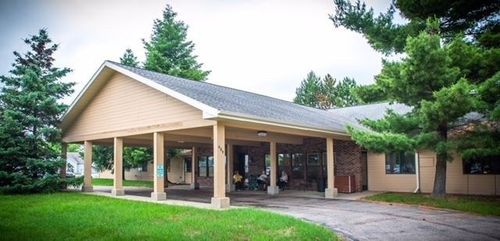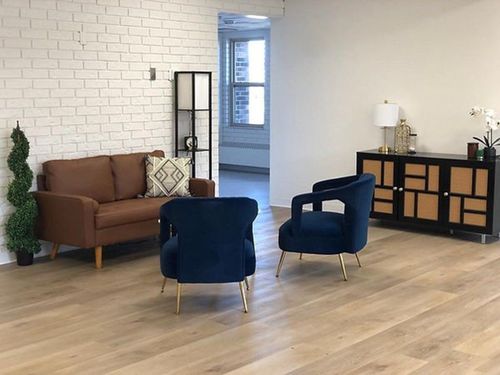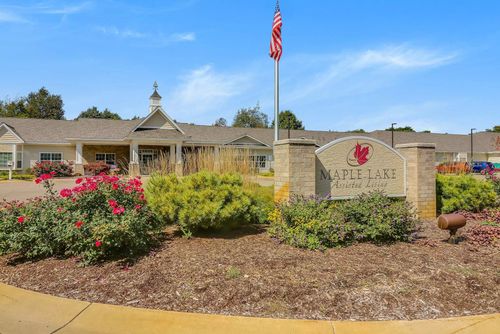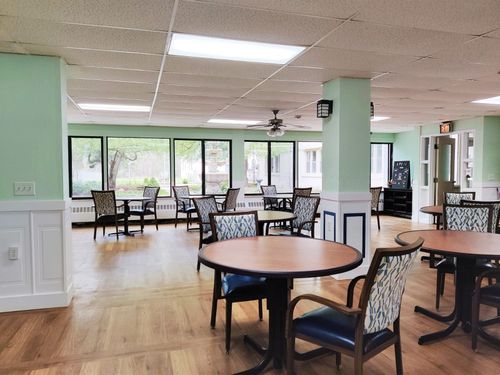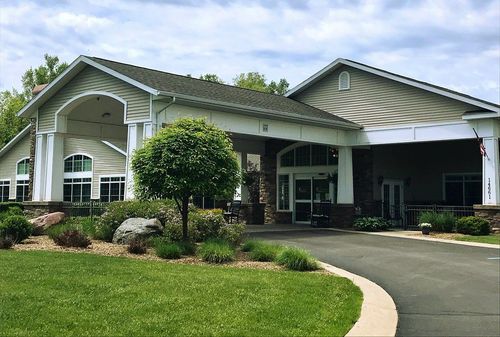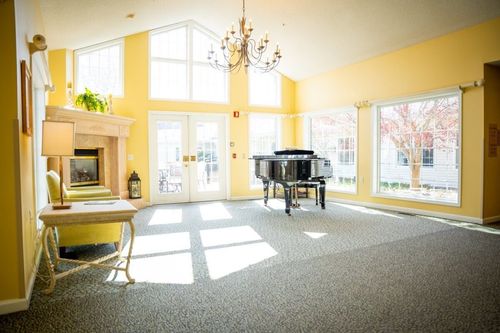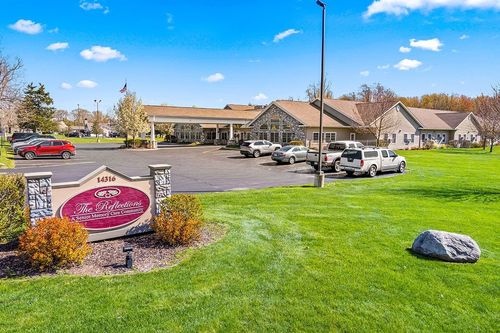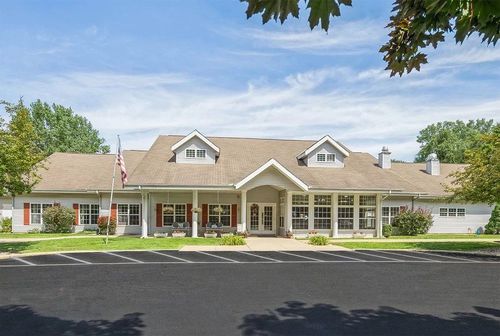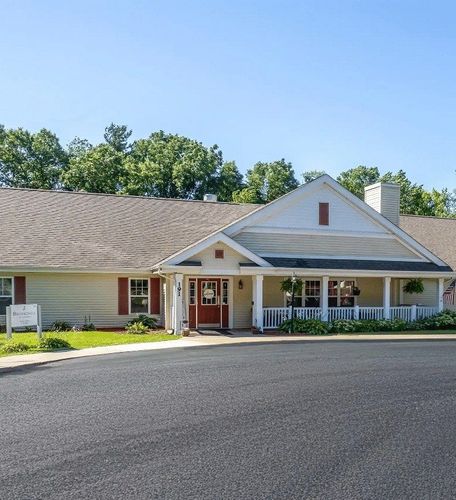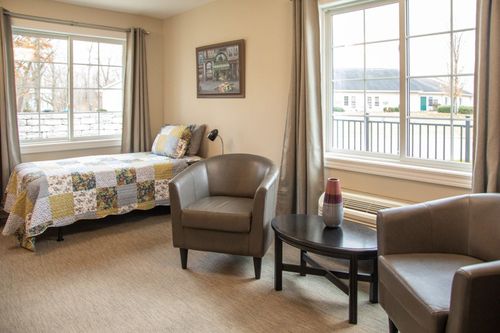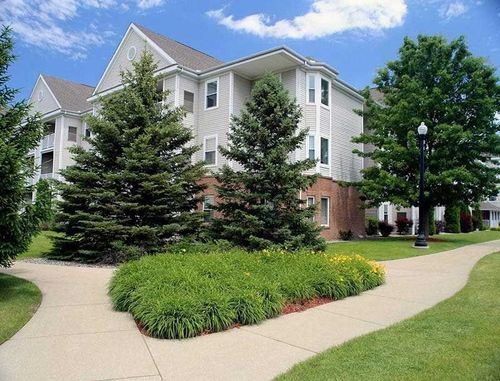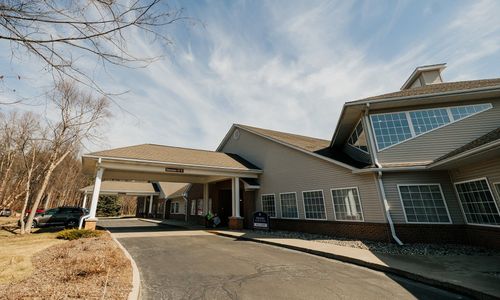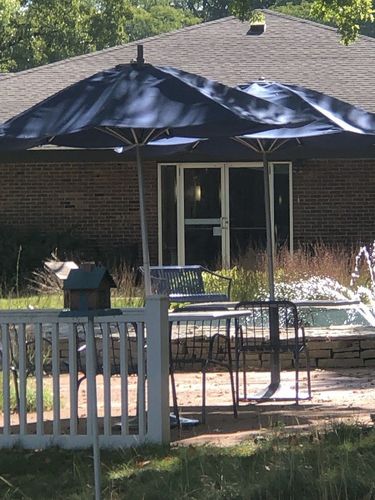
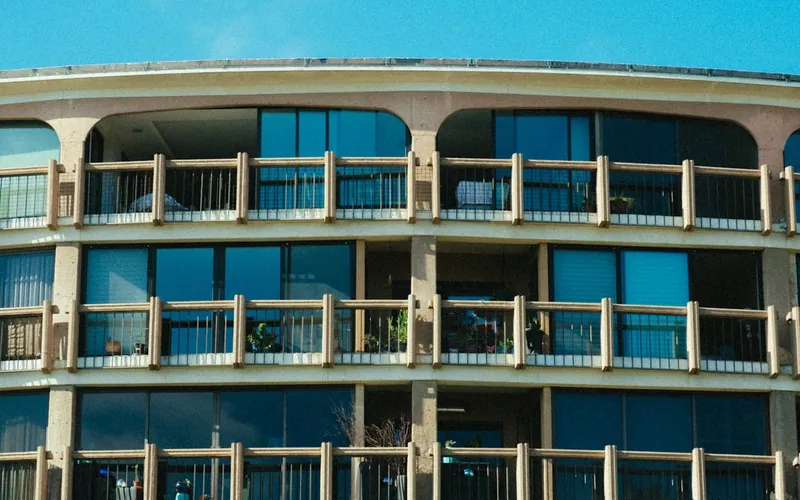
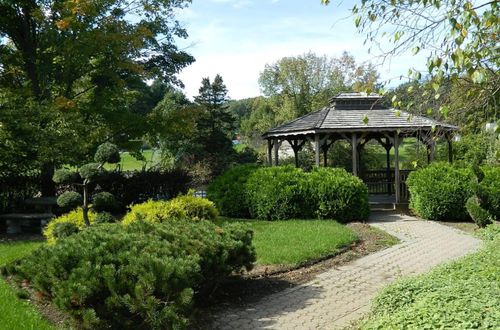
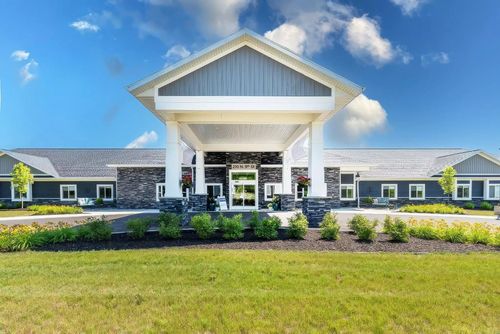
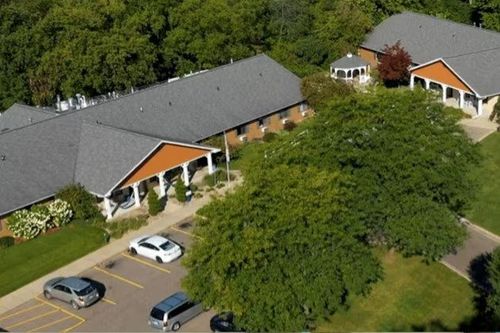

Kalamazoo sits along the I-94 corridor in southwest Michigan, home to a handful of local residential settings dedicated to older adults requiring daily assistance. These neighborhood care sites range from intimate residential houses accommodating forty-five residents to larger regional campuses holding up to eighty-five individuals under one roof. Families navigating this southwest Michigan hub encounter a concentrated network of specialized care environments rather than an endless sprawl of corporate facilities. Each local provider reflects the character of Kalamazoo County, blending midwestern practicality with individualized physical and health support. Local administrative structures and regional healthcare systems interact closely with these residences to maintain continuity for arriving residents.
Daily Routines and Individual Support
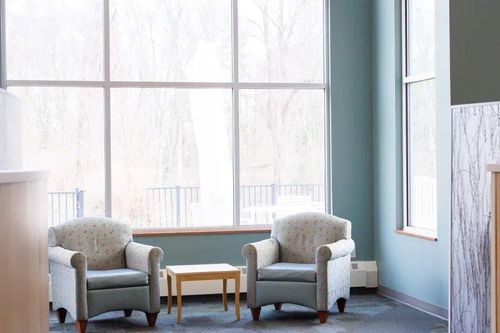
Life inside these residences revolves around predictable daily rhythms designed to balance personal autonomy with reliable medical oversight. Morning routines typically begin with individualized help for dressing, grooming, and medication management delivered right to private or semi-private suites. Staff members assist with mobility across dining rooms and shared sitting areas where residents gather for meals and casual conversation.
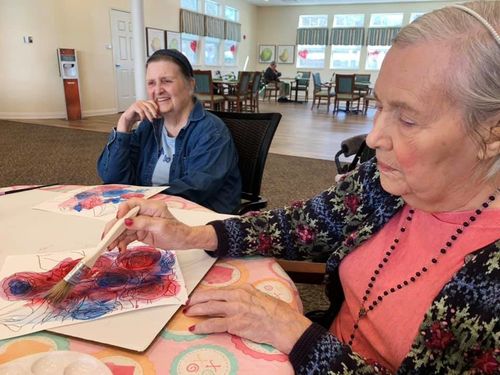
As the afternoon unfolds, scheduled activities encourage movement and cognitive engagement through structured group tasks and creative pastimes. Evening hours return to a quiet pace with tailored support for winding down and nighttime security checks. Staff presence remains steady around the clock to handle unexpected needs or urgent physical assistance.
Understanding Local Financial Realities
Monthly costs for these supportive environments in Kalamazoo span a clear financial spectrum based on apartment size and care complexity. Entry rates begin around $4,000 per month at locations like Park Village Pines, scaling upward to $7,188 per month at communities such as Meilland Square Assisted Living. Intermediate options including Park Place Senior Living B at $4,200 and North Woods Village At Kalamazoo at $6,500 provide additional tiers for family budgeting.
Financial planning requires mapping personal savings, veteran benefits, and specific long-term care insurance policies against these baseline figures. Families must evaluate whether base rates include core personal assistance or if tiered health services add incremental fees each month. Careful arithmetic prevents sudden budget shortfalls during the transition into long-term residency.
Regional Demand and Local Demographics
An aging local population across Kalamazoo County drives steady regional interest in supportive residential environments. Adult children frequently seek nearby arrangements that keep aging parents close to Bronson Methodist Hospital or local outpatient networks. This geographic stability allows lifelong area residents to remain in familiar territory near grandchildren and lifelong friends.
Local demand also spikes when family caregivers face burnout trying to manage escalating physical needs in a traditional suburban home. Transitioning a relative into a dedicated facility relieves domestic pressure while keeping the senior embedded in familiar regional surroundings. Demand patterns remain consistent across all four seasons in this part of Michigan.
Why Families Choose Area Residences
Relatives point to the security of trained staff availability as a primary driver for selecting a structured local residence. Knowing that professional help is seconds away eliminates the daily worry of unattended falls or missed medication schedules. Social isolation also drops significantly once a senior moves into a vibrant community setting with peers.
Furthermore, the physical architecture of these local facilities offers accessible hallways and zero-barrier showers that outperform standard residential housing. Independence is preserved precisely because the environment is engineered for safety without feeling institutional. Families value this intersection of dignity and dependable care.
Navigating Transitions and Finding Fit
Finding the right community requires timing regional waitlists and aligning physical care needs with a building layout that feels comfortable. Local placement dynamics shift rapidly when hospital discharges force an accelerated timeline for finding vacant apartments. Families must also factor in how regional financial assistance policies like Medicaid timing affect long-term viability at specific locations.
Matching a parent's personality to a specific facility scale prevents frustrating secondary moves down the road. Local advisors are available to talk it through whenever families need a short conversation about these local options.
The Kalamazoo directory continues to grow as we evaluate providers for quality and alignment in 2026. Start the conversation about assisted living in Kalamazoo, or look through the buildings we cover at your own pace.