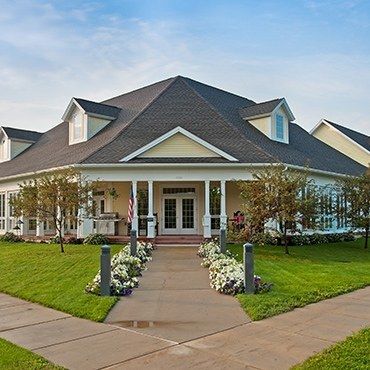
Memory care in Kalkaska County runs between two points on M-72. Kalkaska Memorial Assisted Living, in the village of Kalkaska, is where the day happens, and Munson Medical Center in Traverse City, twenty-five miles west and about thirty-six minutes away, is where the neurology follow-ups and any hospital stay go. In between sits Kalkaska Memorial Health Center, the Munson Healthcare campus in the village itself, with a physician-staffed emergency department and outpatient services that spare a resident the drive for routine appointments.
That geography is most of what makes dementia care workable this far north. A family choosing memory care here is choosing a village address with a hospital campus a few blocks away and a regional referral centre inside a lunch hour.
The Shape of a Secured Day
Michigan does not license anything called memory care, so secured dementia support is delivered inside a home for the aged or an adult foster care home, which is why the useful questions are about the building rather than about the licence: whether the doors are alarmed, whether caregivers are awake through the night rather than on call, and how many residents one caregiver covers at three in the morning.
The rest of the day is built to be predictable. Meals, bathing, dressing and rest happen at the same hours, activities are paced short, and dementia-trained caregivers redirect rather than correct. Winter is its own factor in Kalkaska County, since snow closes off the outdoor time that helps a resident sleep, so ask how the calendar changes between January and June and what indoor space residents actually use.
What a Month Costs, and What Medicaid Reaches
The published starting figure in the county is $4,090 a month, which is the entry rate for daily assistance rather than for secured dementia support. Memory care prices above it, because the staffing ratio is richer and the caregivers are trained for it, so the number a household should budget from is the written quote that follows a care assessment, not the starting rate.
Medicaid matters more here than it does across most of northern Michigan, because participation exists locally in 2026. The state's MI Choice Waiver works by paying for the personal-care hours a resident uses rather than for the apartment itself, so rent and meals stay with the household while the care half shifts. Long-term nursing home coverage is a different pathway inside Michigan Medicaid with its own rules. Qualifying starts with a level-of-care determination, and because the income and asset tests are published, a household can check its own position before it applies.
One of Michigan's Older Counties
About 4,200 of Kalkaska County's 18,700 residents are past 65, a 22.6 percent share that puts the county several points above the Michigan average. Dementia arrives with age, and a county aging faster than the state generates steady demand from a resident base spread across townships rather than concentrated in one town.
Secured capacity, meanwhile, does not expand quickly in a market this size. Openings turn over rather than multiply, which is why families who start the conversation at diagnosis rather than at crisis usually get the room they want.
Why Families Choose to Stay in the County
Distance is what decides it for most households here. A spouse who still drives reaches the village in minutes instead of making a round trip to Traverse City or Cadillac, and adult children commuting from Grand Traverse County can fold a visit into a workday on M-72 rather than surrendering a Saturday to it.
Continuity of care is the other reason, because a resident who has used the Kalkaska Memorial Health Center campus for years keeps that emergency department, those clinicians and that record after the move, and when something needs the larger hospital, Munson Medical Center is the same referral centre the family already knows.
How a Local Advisor Changes the Search
An advisor covering northern Michigan tracks the things a phone call cannot surface: whether a secured room is genuinely open this month, where a family sits in the waiver review, and how a discharge from Munson Medical Center lines up with a move-in date rather than colliding with it.
The narrowing is usually quick, because the honest questions are whether the building can hold a resident as dementia progresses, what the quote looks like at the care level actually needed, and whether Medicaid enters the picture now or in two years. Getting those three answered early is worth more than another round of touring. When a diagnosis has just landed and nothing is settled, reach out to someone who covers this corner of the state before the calendar makes the decision instead.
We keep expanding our Kalkaska County coverage as we evaluate providers for quality and alignment in 2026. Start the conversation about memory care in Kalkaska County, or scan the buildings we cover at your own pace.