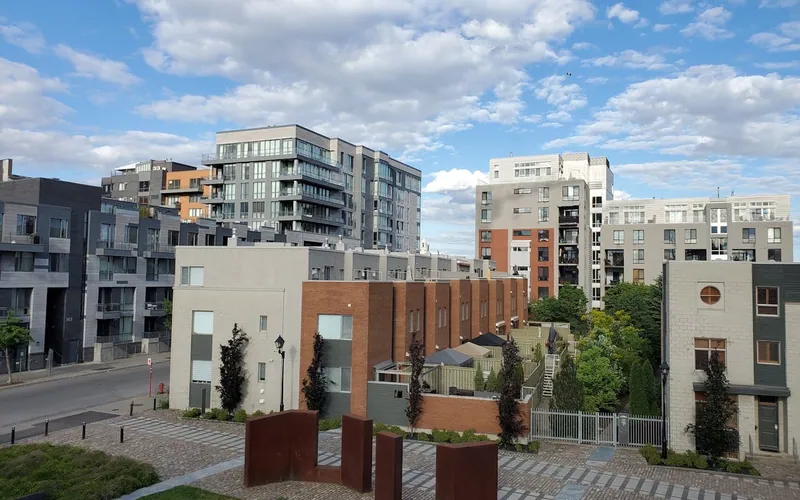

Adrian College students walk past maple trees along Maumee Street as autumn settles over Lenawee County, setting a quiet backdrop for families navigating the realities of a progressive cognitive impairment. Local options remain concentrated in a handful of specialized residential settings across the area rather than sprawling across numerous metro districts. Sifting through choices requires understanding how regional facilities structure their physical environment and daily oversight for loved ones.
Daily Routines and Specialized Support
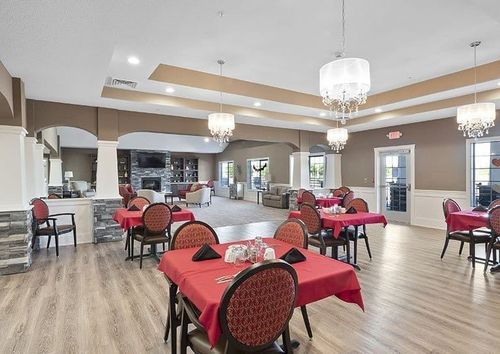
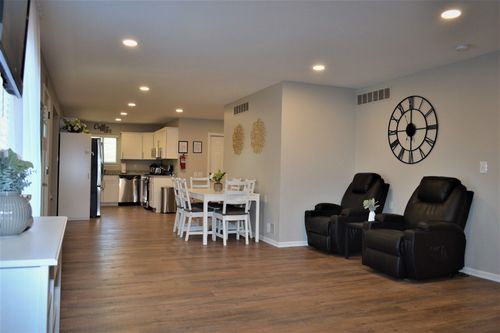
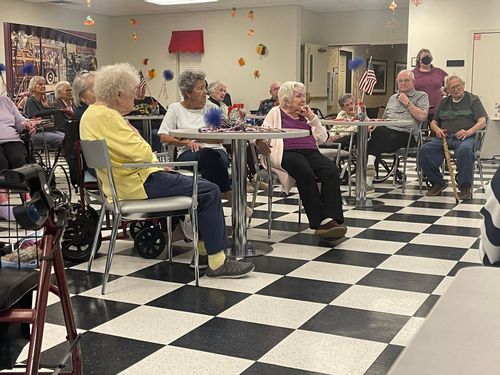
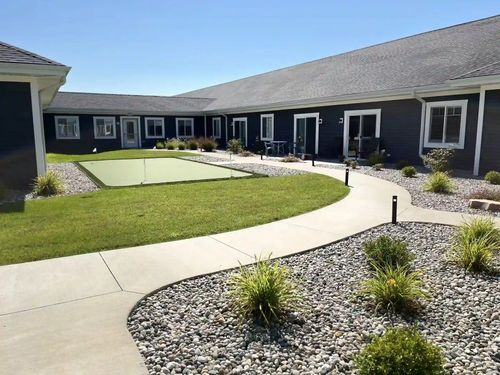
Secured environments in the county use controlled entryways and circular walking paths to give residents freedom of movement without safety risks. Staff members structure each morning around familiar cues, encouraging gentle personal hygiene routines and communal dining experiences designed to reduce confusion. Afternoon hours usually feature sensory-based engagement, music circles, and tactile tasks tailored to individual cognitive thresholds.
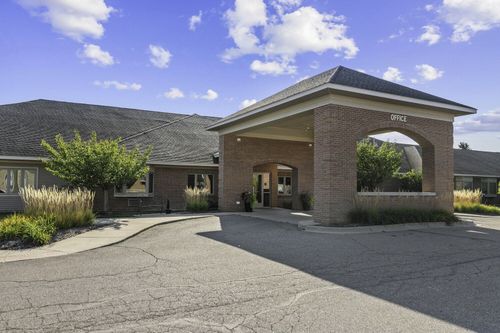
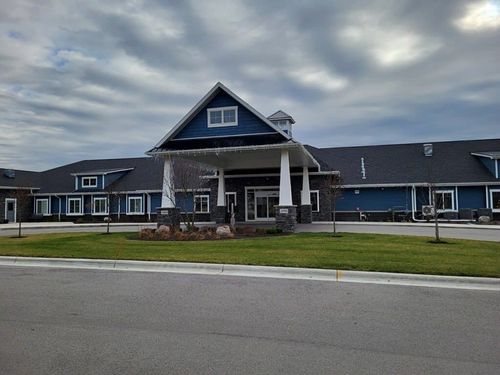
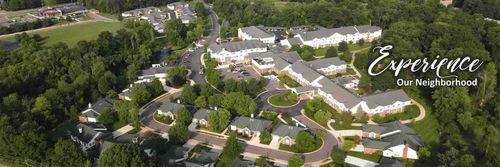
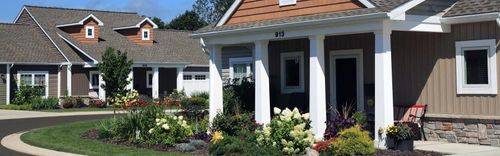
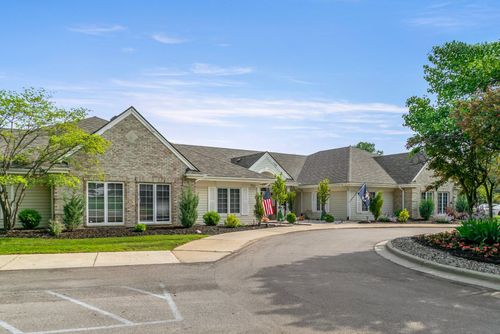
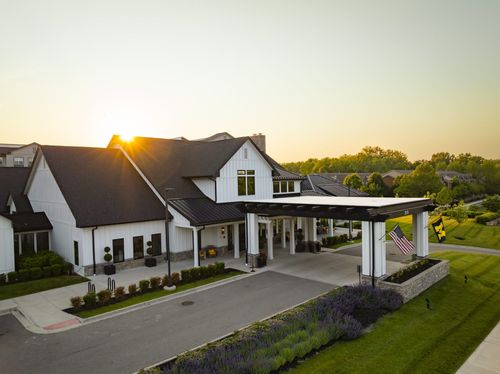
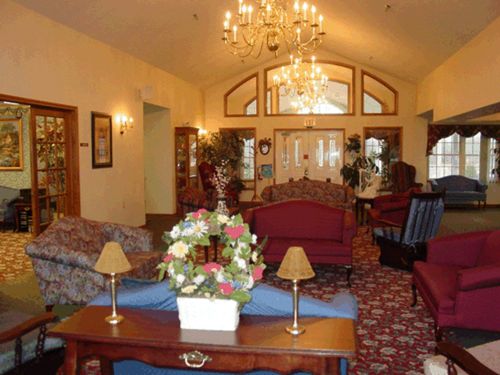
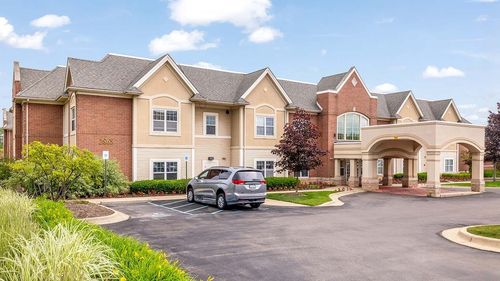
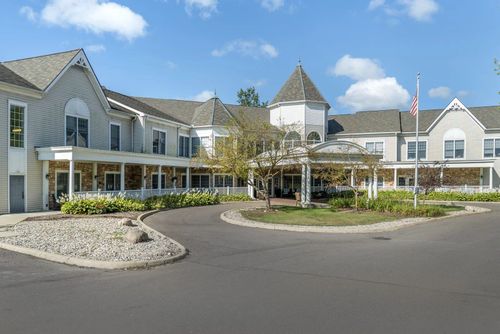
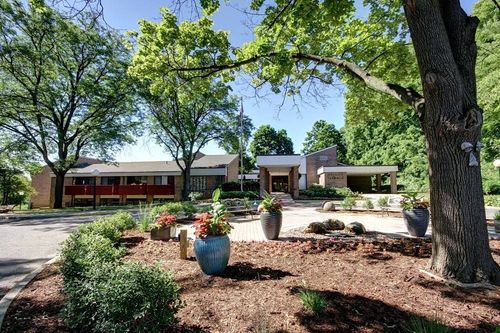
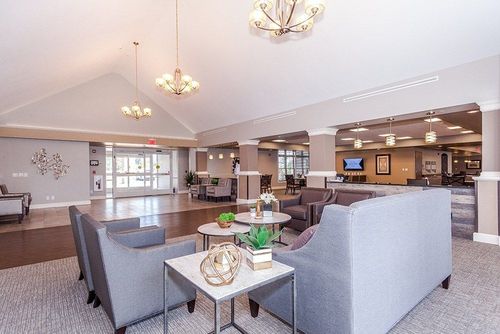
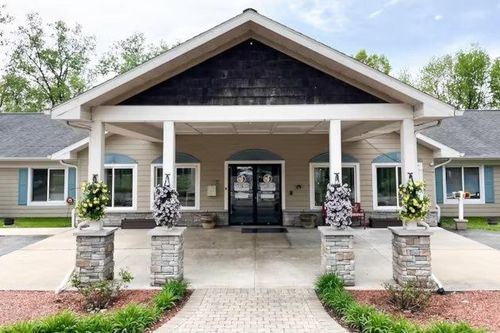
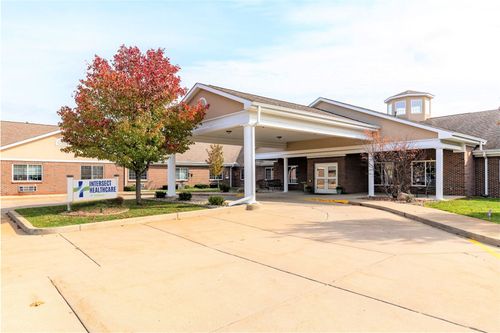
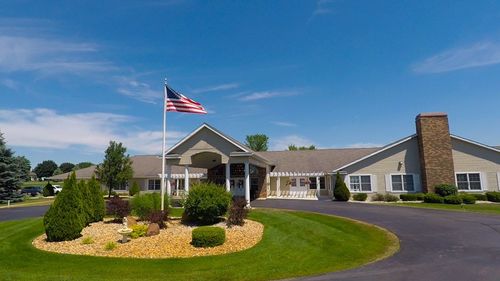
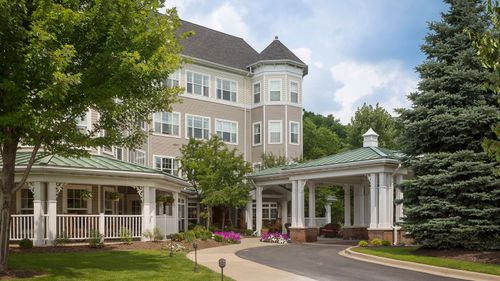
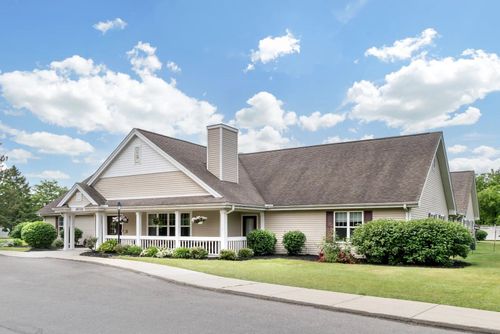
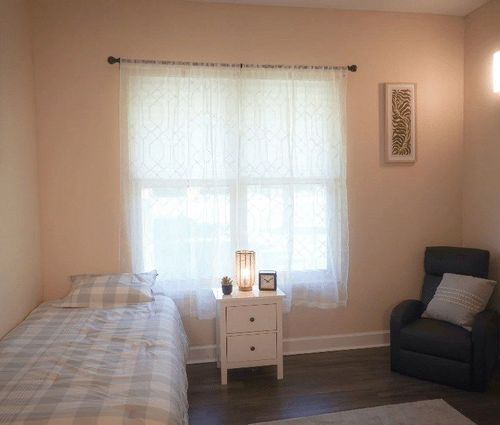
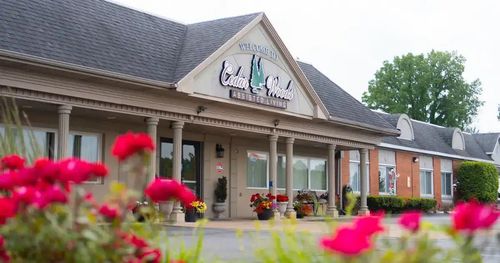
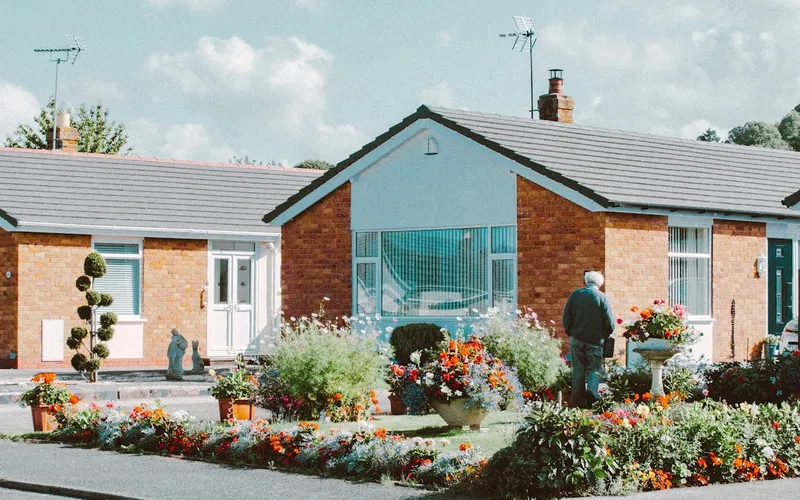
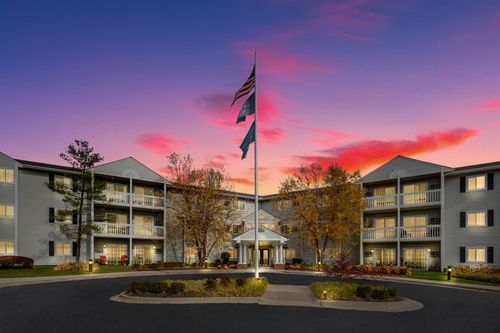
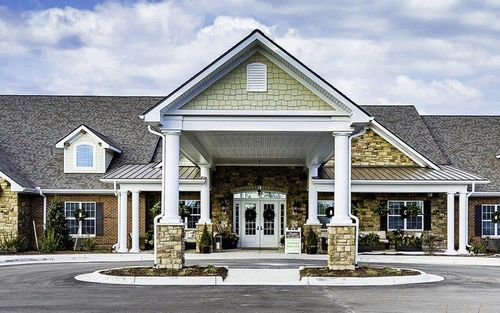
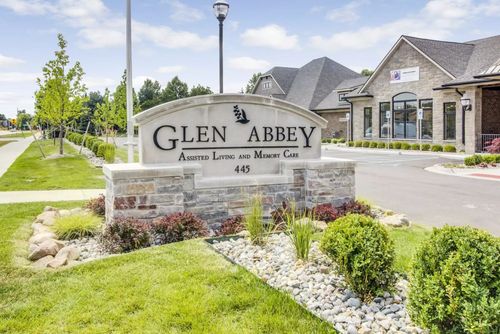
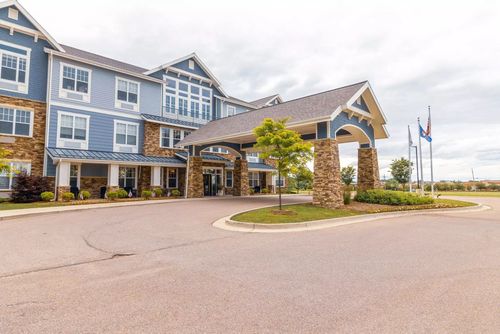
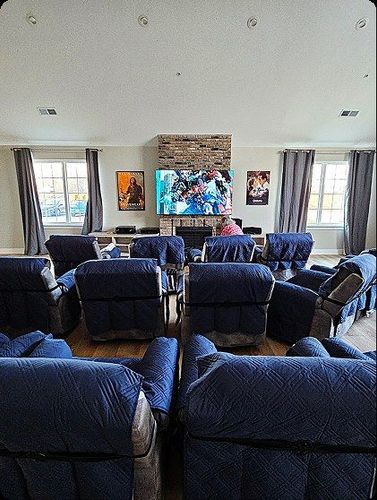
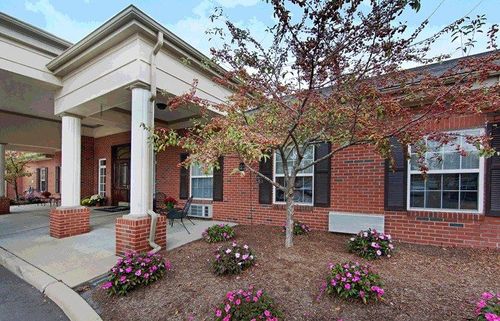
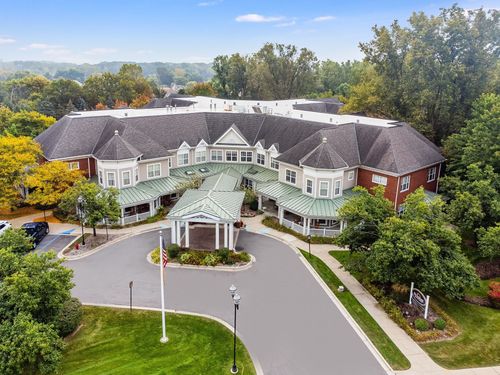
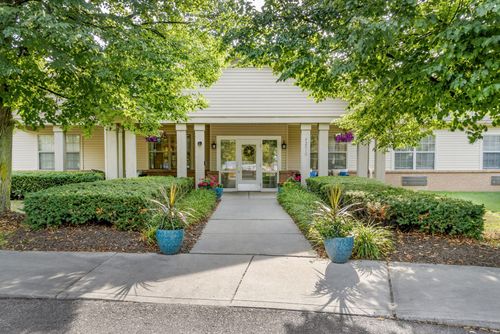
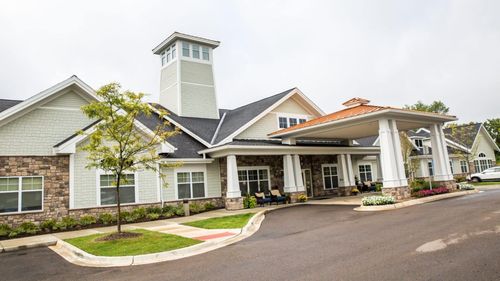
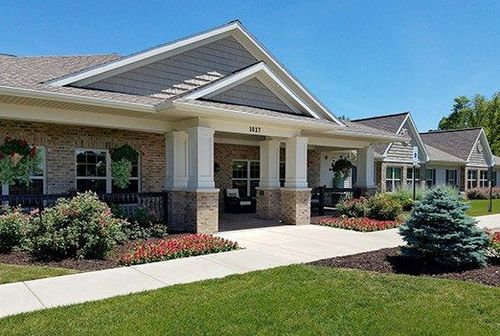
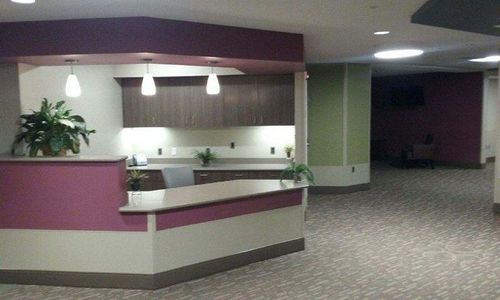
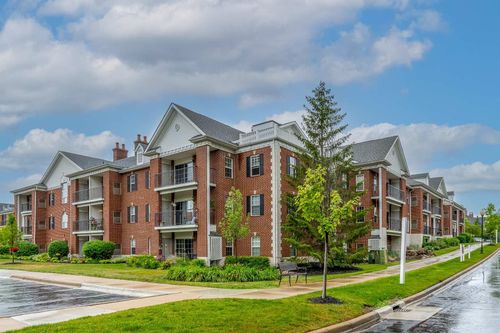
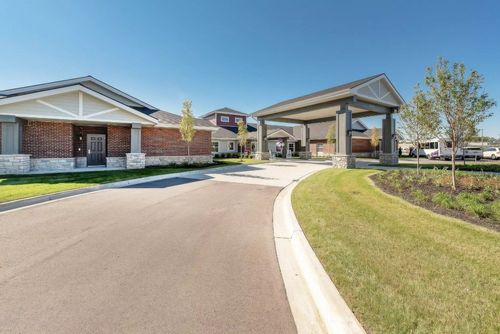
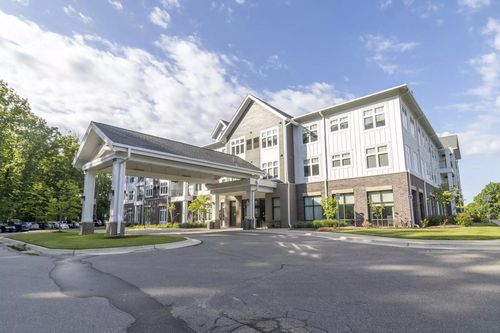
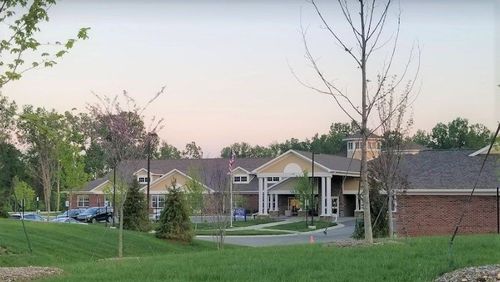
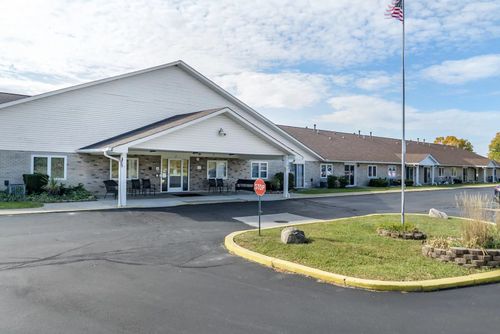
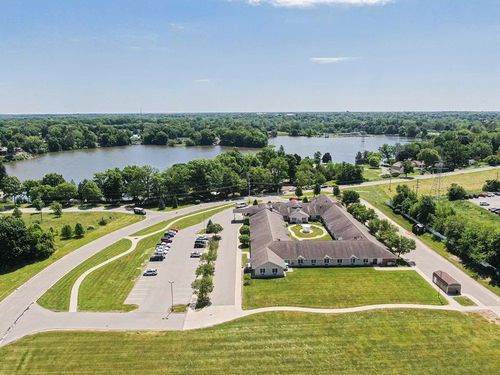
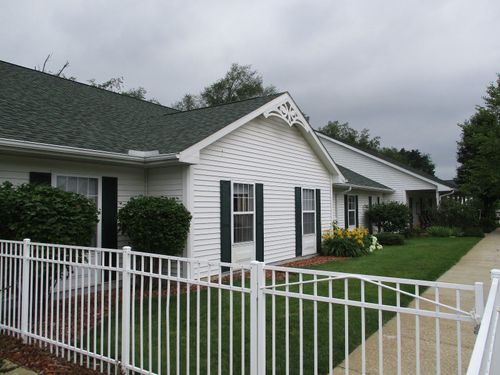
Dedicated layouts vary significantly between freestanding properties and specialized wings attached to larger assisted living complexes. Places like Cambrian Memory Care of Tecumseh operate as purpose-built environments where every common room and secure courtyard is scaled exclusively for memory support. Meanwhile, other local sites integrate specialized wings within a broader residential campus, sharing certain central facilities while maintaining locked perimeters for resident security.
Monthly Rates and Regional Costs
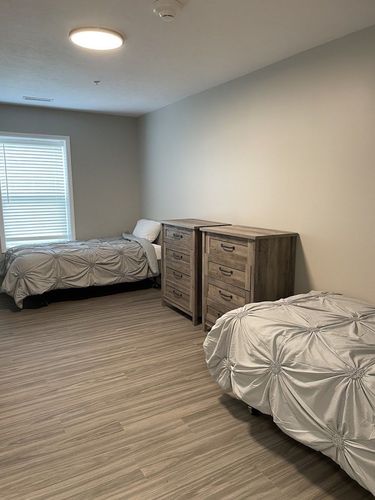
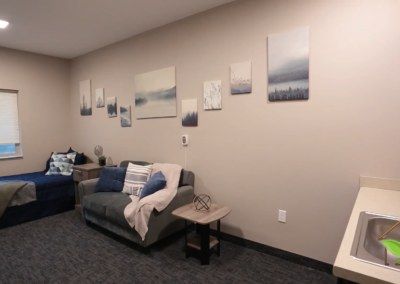
Financial planning for cognitive support in the region spans a predictable scale determined by the level of supervision and apartment layout chosen. Base monthly fees across the county begin around $3,630 for standard shared or compact spaces and scale up to $5,761 per month for comprehensive care suites. For instance, Charlotte Stephenson lists monthly fees reaching $5,761, reflecting specialized staffing ratios and secure residential maintenance. Individual billing adjustments depend on whether a resident requires medication management assistance or total personal care support.
Budgeting for these localized services also involves evaluating ancillary fees such as community entry charges and tiered care add-ons. Families must request clear itemized breakdowns from administrators to track how personal care tiers affect the monthly invoice over time. Local resources do not cover these private pay obligations through public assistance, as the regional field reports zero facilities accepting Medicaid reimbursement.
Regional Senior Demographics and Local Need
An aging rural demographic across southern Michigan drives steady local demand for specialized dementia support close to home. Adult children living in Adrian, Tecumseh, and surrounding townships often seek nearby placements to maintain regular visiting schedules without enduring long highway commutes. This geographic proximity helps keep elders connected to familiar regional healthcare networks and lifelong community ties.
Limited bed capacities across the area mean that local options fill quickly when regional families reach a care crossroads. Facilities range from smaller intimate homes featuring 15 beds up to larger community settings accommodating 85 residents maximum. Early inquiries allow families to evaluate room availability before urgent care decisions become necessary.
Why Families Choose County Placements
Proximity to relatives living throughout the southern tier of Michigan remains a primary driver for keeping a parent within the county. Familiarity with local medical providers in Adrian and Tecumseh ensures continuity of physician oversight during the transition into a secured setting. Furthermore, a select few local residences accommodate small household pets, allowing a cherished companion animal to move along with the resident.
Local environments provide structured safety features that relieve the round-the-clock burden carried by exhausted family caregivers at home. Knowing that trained personnel are monitoring the physical perimeter day and night brings profound emotional reassurance to relatives. Choosing a local setting keeps the elder rooted in a familiar climate and regional culture.
Navigating Transitions and Finding the Right Fit
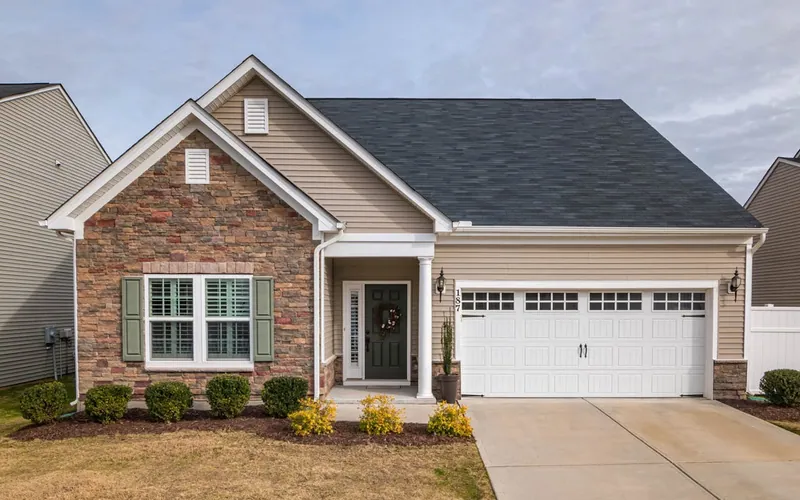
Navigating admission criteria, timing private funds, and assessing physical building layouts can feel overwhelming during an emotional crisis. A knowledgeable local advisor evaluates how a specific secured wing or freestanding cottage matches your family member's current stage of dementia. Advisors also help map out financial timelines and coordinate discharge logistics from local rehabilitation hospitals without adding administrative stress.
When you feel ready to talk it through, reach out for a confidential discussion about local memory care options.
Our directory for Lenawee County continues to grow as we evaluate providers for quality and alignment in 2026. Start the conversation about memory care in Lenawee County, or scan the buildings we cover at your own pace.