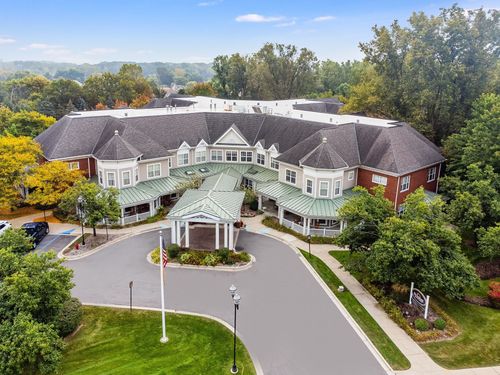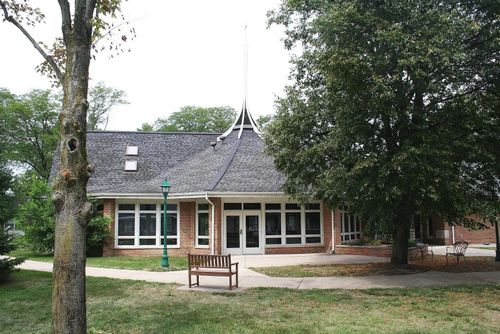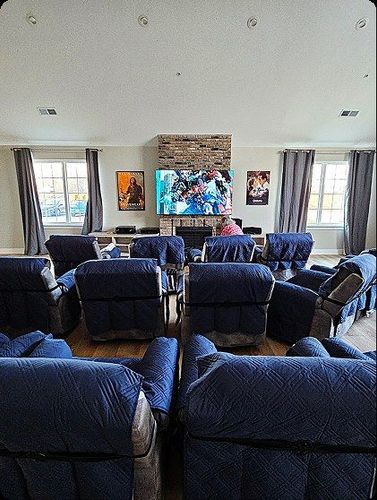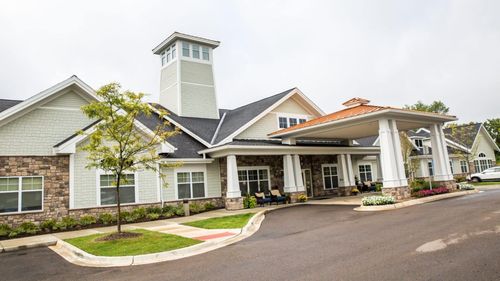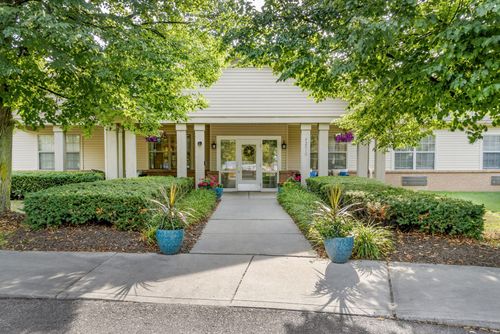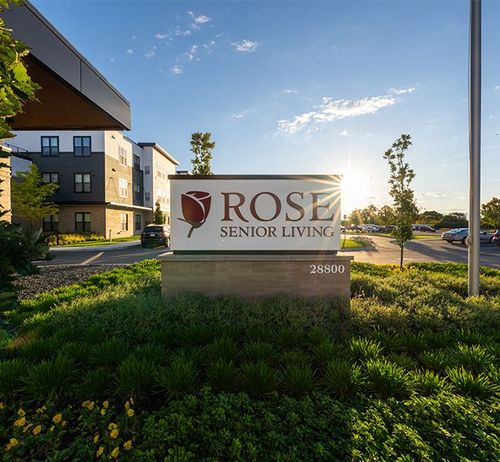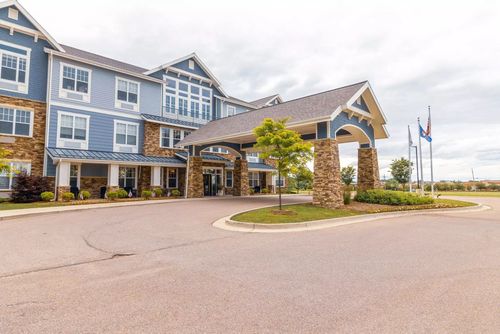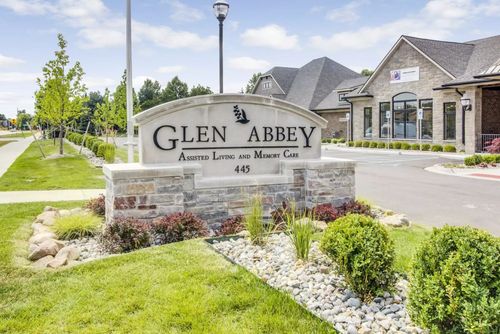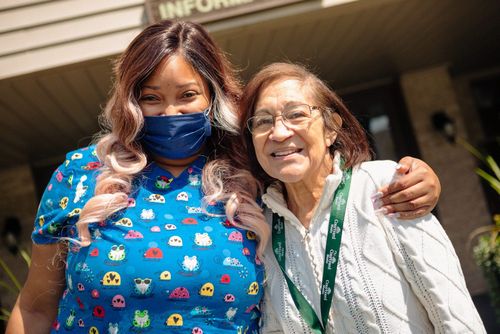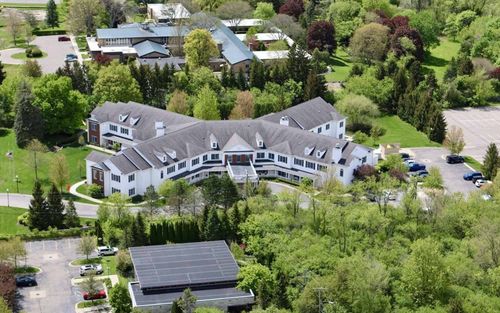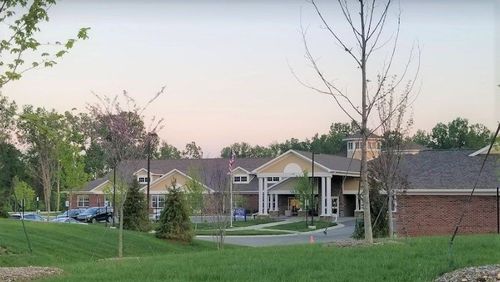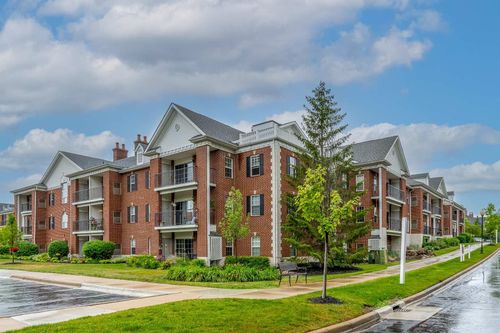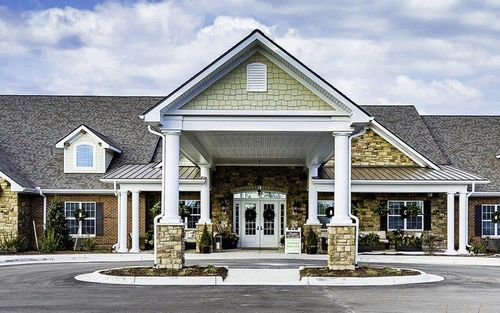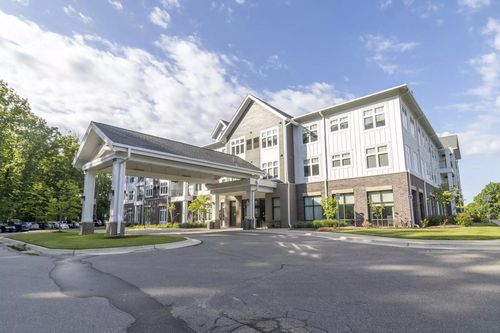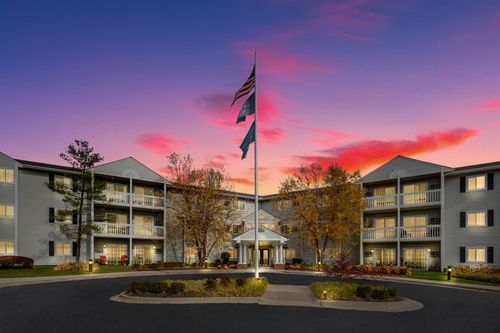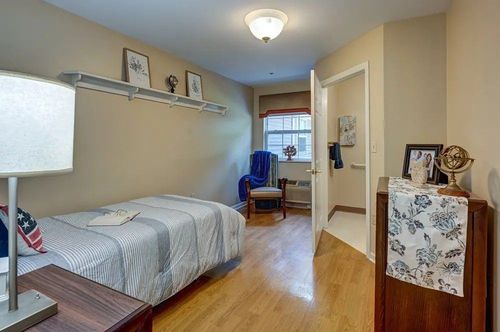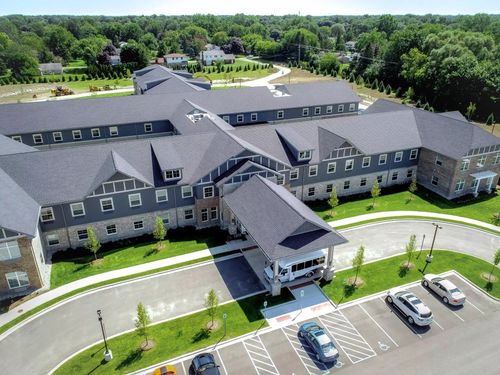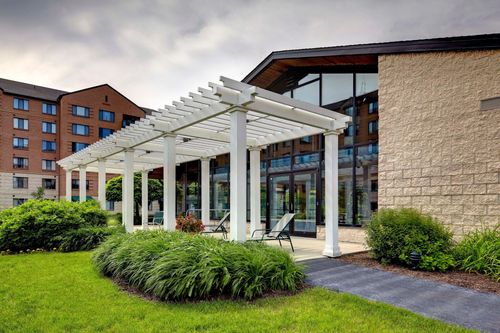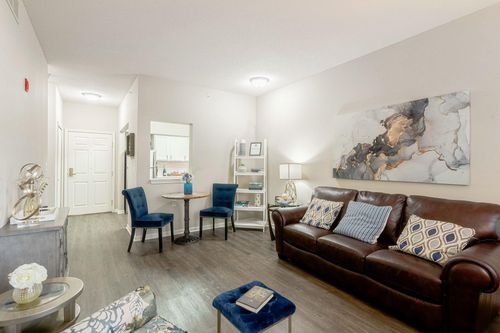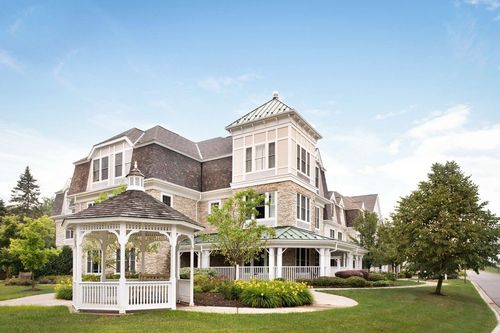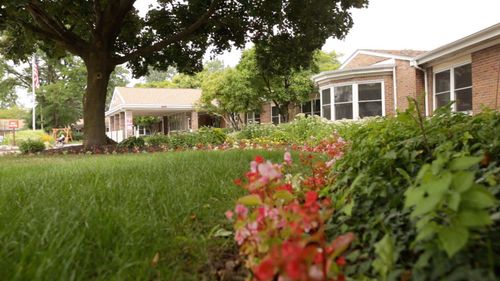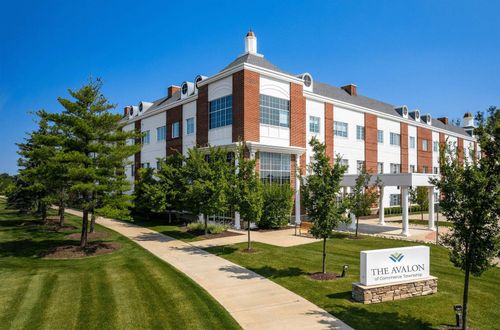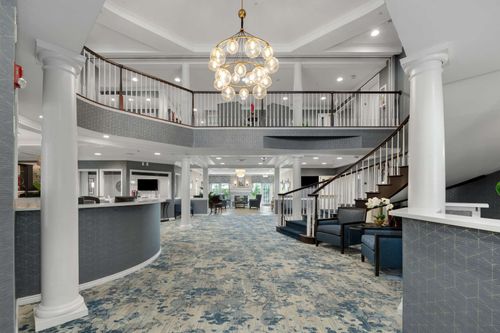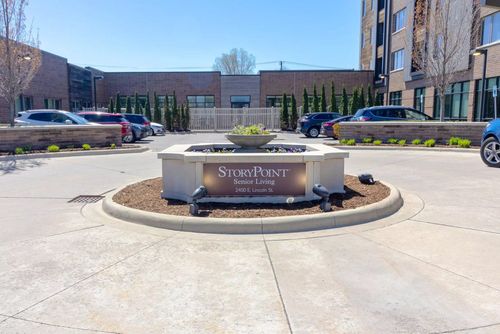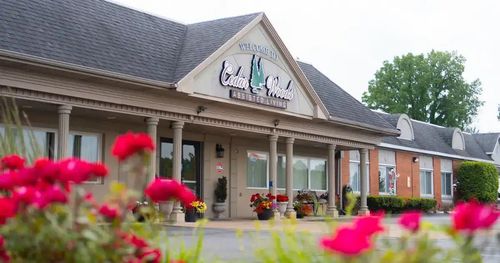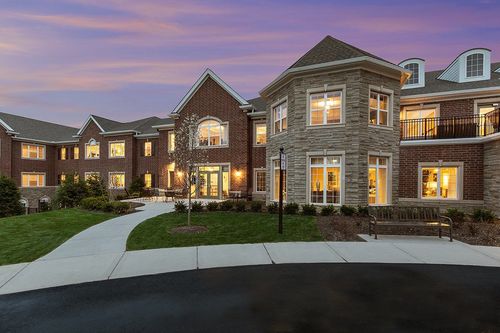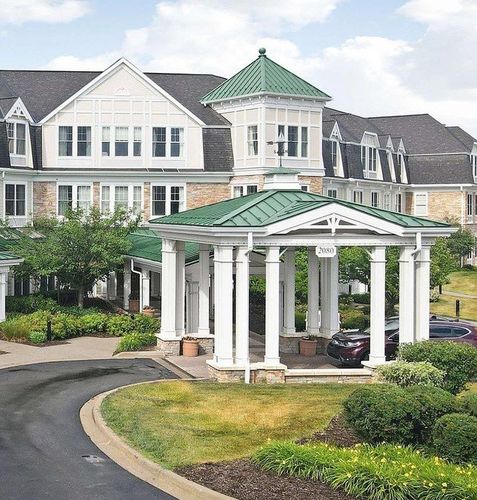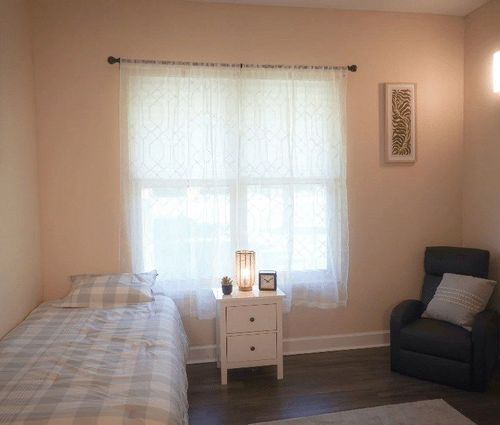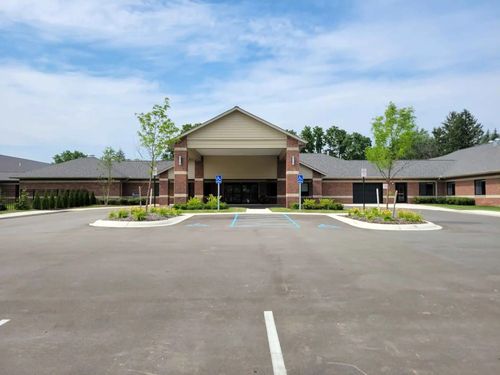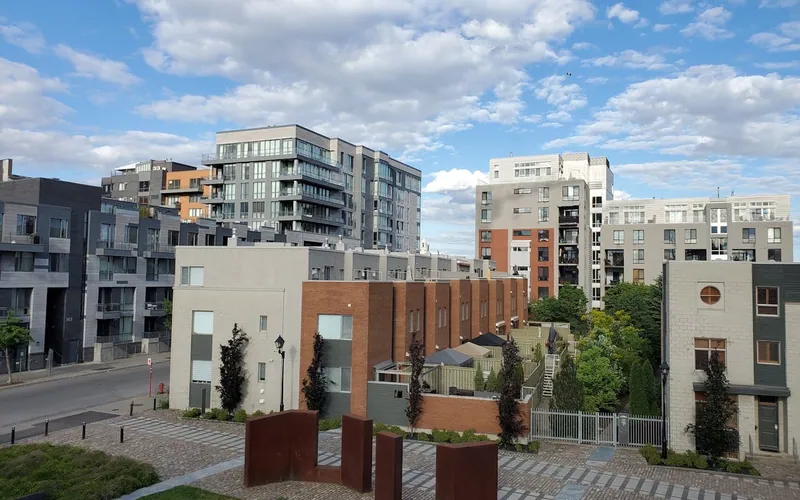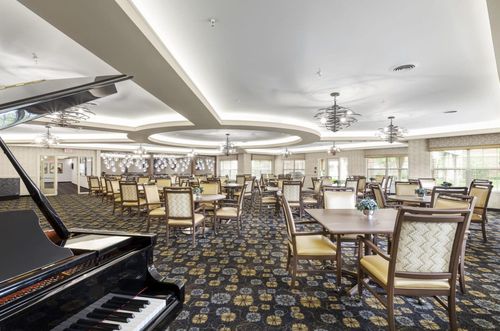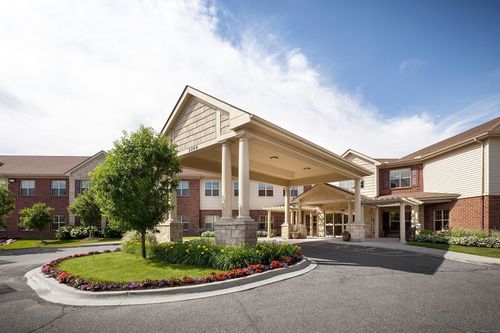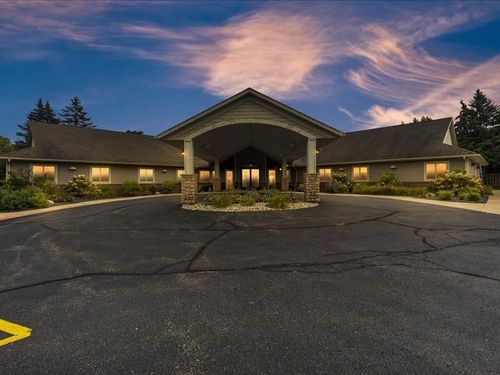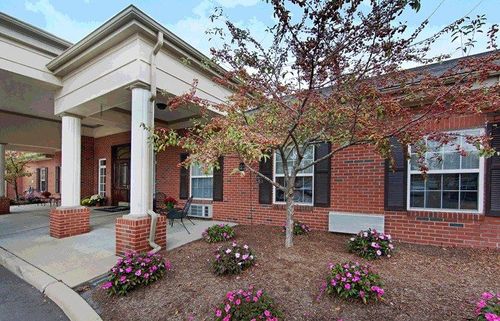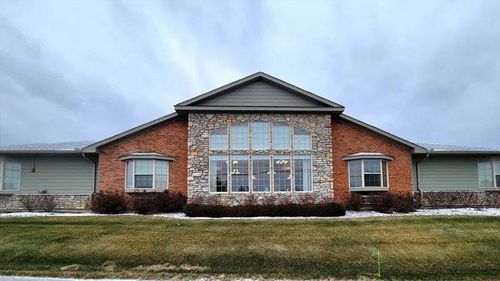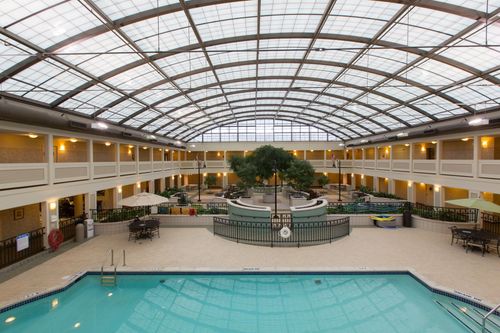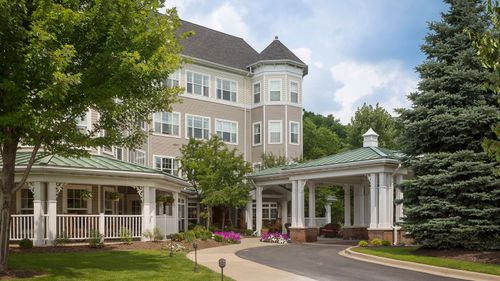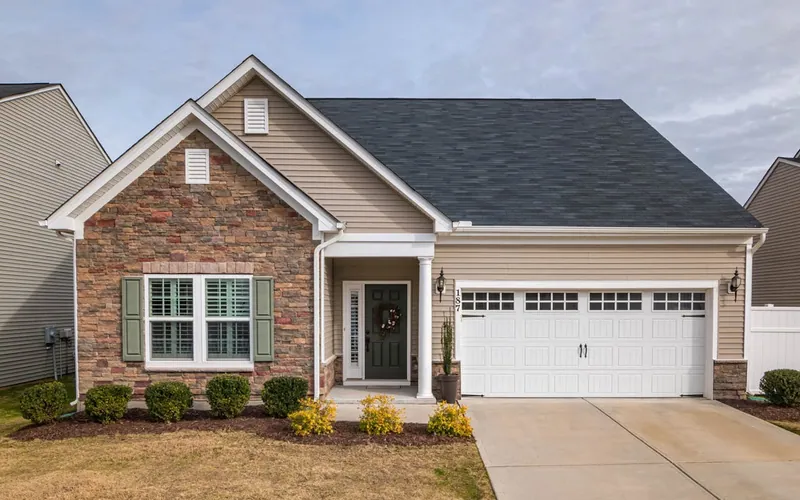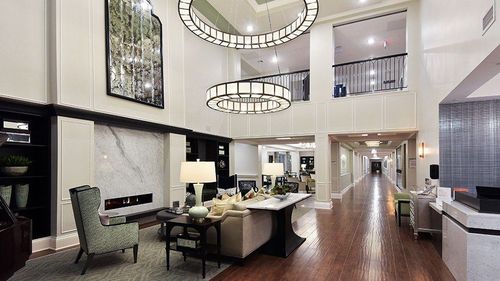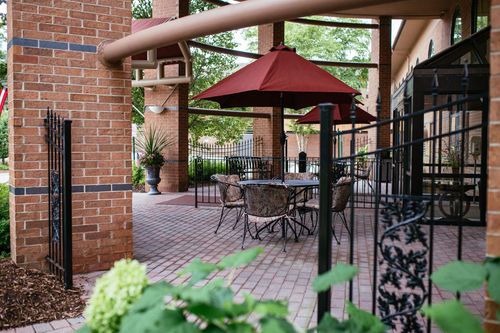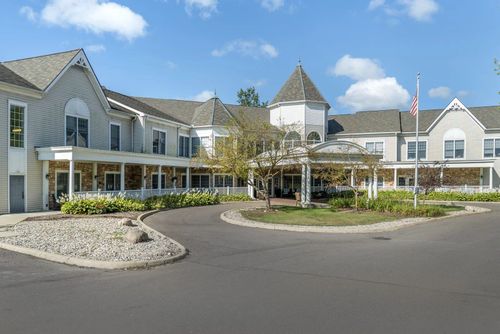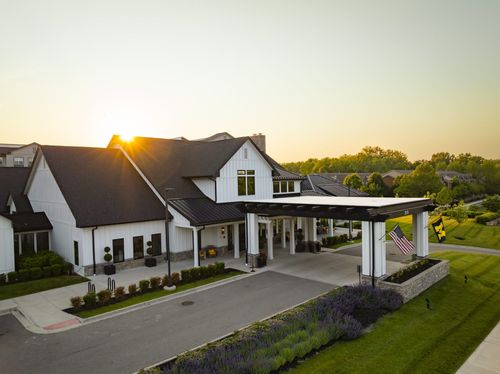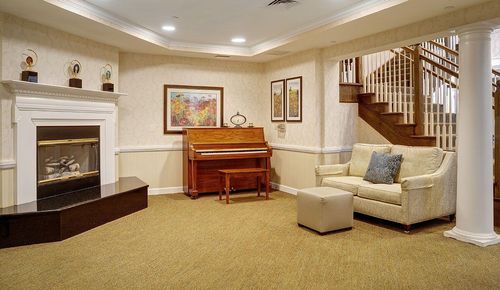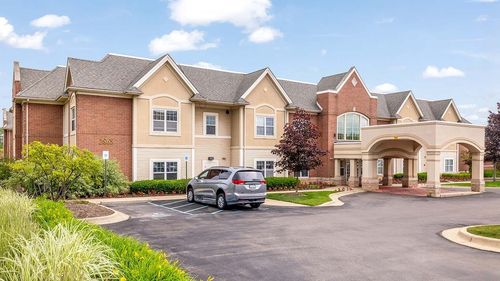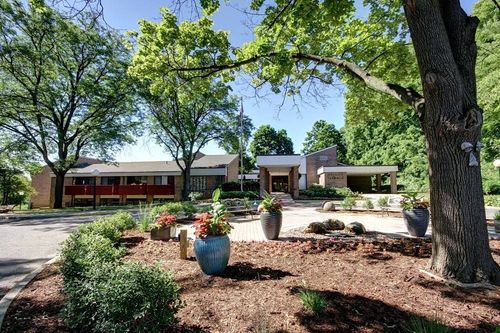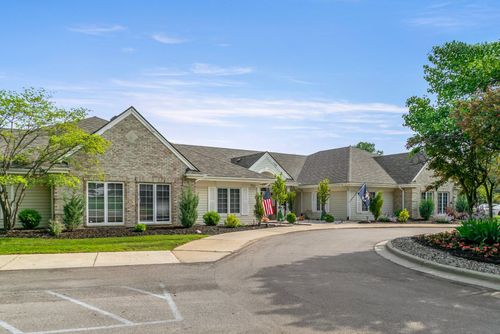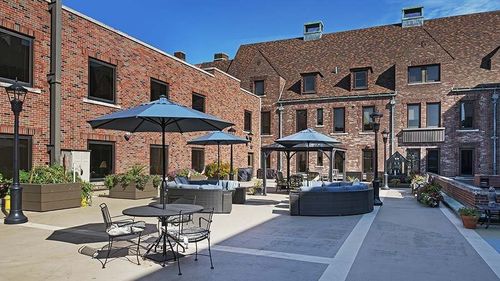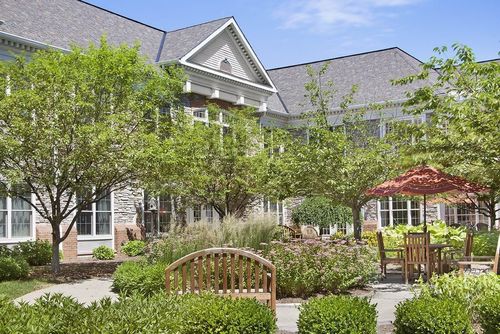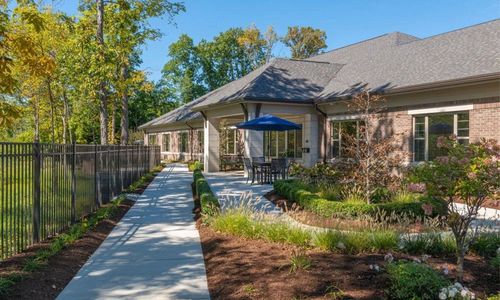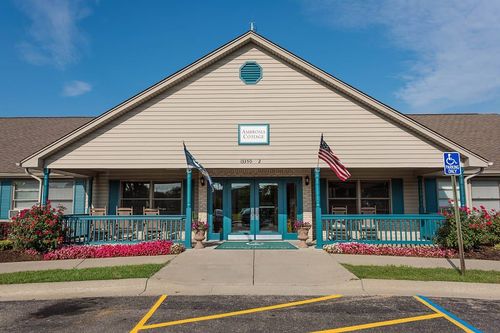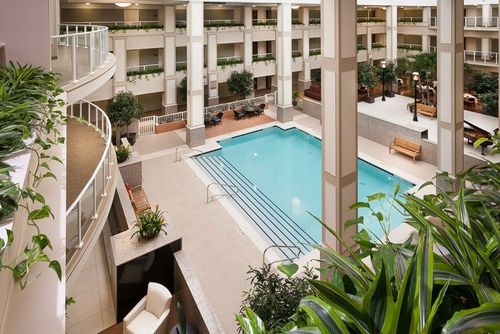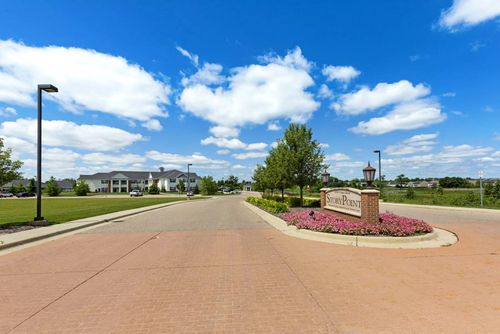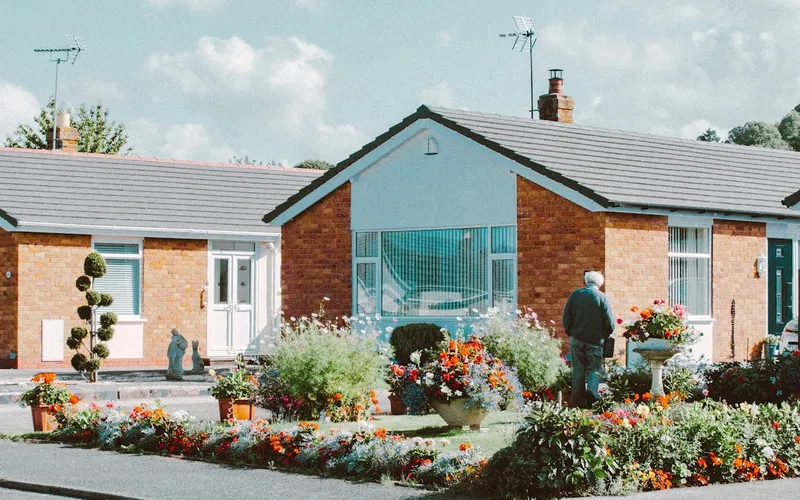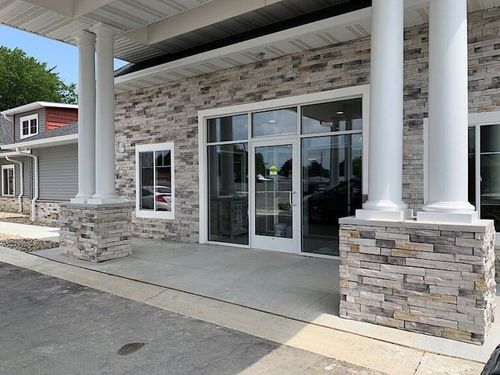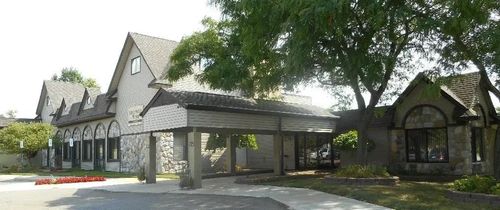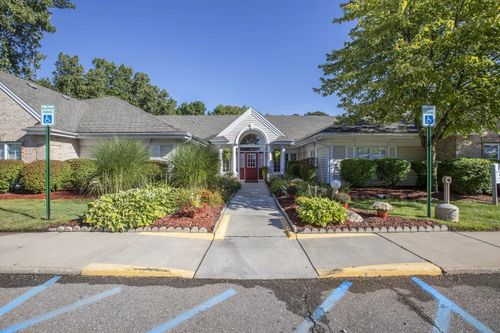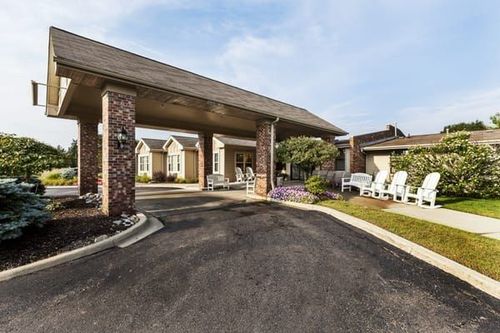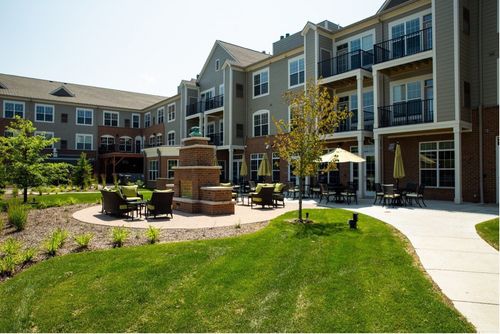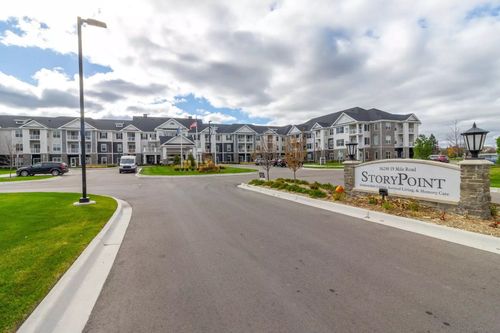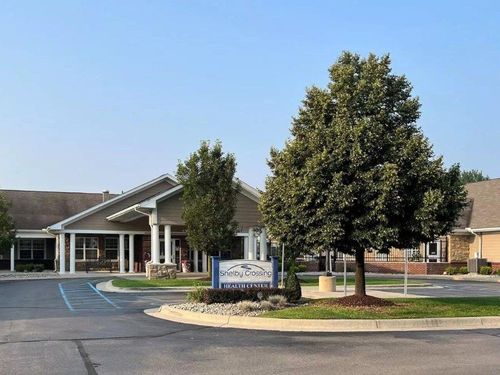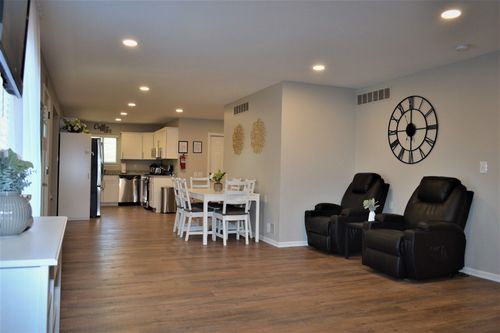
Livonia sits within Wayne County where local memory care options serve families across suburban neighborhoods and major thoroughfares like Plymouth Road. A small number of specialized environments operate throughout this Michigan city to support residents who navigate memory loss. These structured spaces range from intimate six bed residential homes to larger community settings scaling up to 105 beds.
Daily Support and Specialized Routines
Daily life inside these specialized spaces relies heavily on predictable patterns and trained staff who understand cognitive decline. Morning routines begin with gentle awakening assistance and individualized grooming support tailored to each resident's remaining abilities and personal habits.
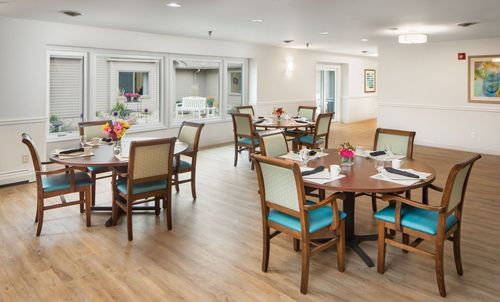
Structured engagement fills the daylight hours through familiar tasks, sensory therapies, and music circles designed to reduce anxiety. Meals are served in calm, intimate dining rooms where staff provide discreet physical assistance or visual prompts while encouraging adequate nutrition and hydration.
Understanding Local Financial Investment
Monthly financial obligations for memory care in this municipality generally range between $4,200 and $5,025. Specific monthly baseline rates reflect the level of physical and cognitive oversight required by the individual resident rather than a flat fee structure.
For instance, choices like Livonia Assisted Living and Memory Care start at $4,200 per month, while locations such as StoryPoint Livonia begin at $5,025 per month. Families must evaluate these figures against their personal financial resources, as public assistance programs like Medicaid are not accepted by local providers in this specific area.
Local Demand and Family Pressures
Suburban families frequently seek specialized dementia support when home care strategies no longer manage wandering risks or nighttime waking patterns safely. The concentration of retirees and aging adults in this region creates a steady, high demand for secure residential environments that can adapt as cognitive needs progress.
Caregivers often reach a critical juncture where physical exhaustion and safety concerns outweigh the desire to maintain independent home living. Finding the right physical layout becomes urgent when families realize that a standard assisted living wing lacks the necessary door security and specialized staff ratios required for advanced memory impairment.
Why Families Choose This Setting
Choosing a specialized environment in this community provides relatives with peace of mind knowing that exits are secured against wandering behavior. Dedicated layouts prevent confusion by keeping hallways familiar and reducing the sensory overload common in larger, open commercial buildings.
Furthermore, the presence of pets in at least one local location adds a comforting domestic touch that helps soothe residents during stressful transitions. Relatives value the localized proximity, which allows for frequent family visits without the strain of long distance driving across the metropolitan area.
Professional Guidance Through the Transition
Navigating the transition into a memory care community requires careful timing regarding financial planning, medical evaluations, and hospital discharge coordination. Local advisors evaluate how a facility's physical building fit matches a resident's mobility needs while mapping out timelines when transitioning from a hospital or rehabilitation stay.
Families benefit from professional insights regarding when to initiate placement before safety crises occur at home. When the complexities of choosing between a small residential house and a larger campus feel overwhelming, a short conversation can help untangle the options.
The Livonia directory continues to grow as we evaluate providers for quality and alignment in 2026. Start the conversation about memory care in Livonia, or look through the buildings we cover at your own pace.