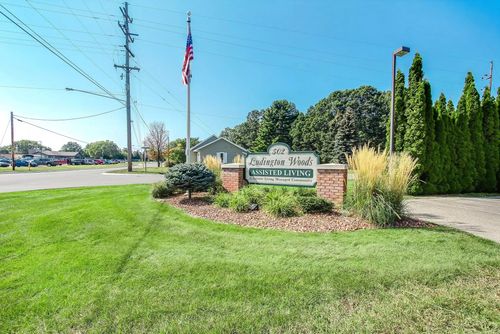

In a county with one secured setting, the question families ask first is usually the wrong one. It is not how this wing compares to others; it is how far it can carry a resident before the disease outgrows it. Mason County's memory care sits at Ludington Woods Supportive Care on North Sherman Street, and the honest measure of that address is durability rather than ranking.
That framing matters because of where Ludington sits. This is the end of US-10 at Lake Michigan, and the next secured options in any direction involve a serious drive. A move out of the county does not just change buildings; it ends the pattern of frequent short visits dementia care depends on.
Why Staff Tenure Is the Whole Signal Here
Where a family cannot compare two secured wings, the quality question narrows to one thing worth asking about directly: how long the caregivers on the secured side have worked there. Dementia care is delivered by people rather than by buildings, and a resident who can no longer retain a name still recognizes a voice, a hand and the order in which things happen. Turnover breaks that in a way no policy compensates for.
Ask for numbers rather than reassurance. How many people currently working the secured side have been there over a year, whether the overnight staff are awake and assigned to that side, and who a family reaches at nine on a Sunday evening. Then watch a late afternoon, when routines are hardest to hold and a wing shows you what it is.
What Sits Above the $4,900 Base
The published figure at Ludington Woods is $4,900 a month, which describes the building rather than a secured room. Secured care carries a premium over any base rate in this state, paid for by thinner caseloads per caregiver and a heavier night shift, and the premium grows each time an assessment moves a resident up a level.
Two absences shape the arithmetic more than the numbers do. Senior living here does not participate in Medicaid, so a dementia stay is privately funded for its whole length, and these stays are long. No respite bed exists in the county either, so there is no way to test a fortnight or hand a worn-out caregiver a scheduled week off. Together they mean the plan must be built complete, with the years of runway counted honestly before anybody signs.
An Old County and a Single Wing
Mason County runs old. About 7,700 residents are past 65, better than a quarter of everyone here, and dementia risk rises steeply through the eighties, so need per head runs higher than in a younger county.
That need meets a single secured wing, which makes availability a matter of timing rather than choice. There is no queue to join and no way to hold a room against a future diagnosis. Families who made contact and got a quote before anything was urgent can act on an opening; those starting when the caregiver at home has run out are choosing from whatever exists that week.
What a Familiar Town Does for a Failing Memory
There is a specific argument for keeping a person with dementia in the place they have always known, and it is not sentimental. Long-term memory outlasts short-term memory by years, so a resident who can no longer say what they had for breakfast may still know the sound of the carferry, the shape of the harbor, the church they were married in. A town that features in those memories is doing quiet work that an unfamiliar one cannot.
The practical side supports it. Corewell Health Ludington Hospital on Atkinson Drive carries emergency care, critical care and a brain injury and stroke rehabilitation program, so the infections and fractures that punctuate a dementia course get handled a few minutes away rather than through an hour of highway. Visitors stay visitors instead of becoming travelers.
The One Question That Decides This
With a single secured address, an outside read is not comparison shopping. It is finding out whether the wing has space now, what it quotes once a resident has been assessed, how it communicates with families when something changes, and above all how deep into the disease it has been able to keep people. That last answer settles whether a family is making one move or the first of two, and no website carries it.
The funding conversation belongs beside it, because without Medicaid participation the length of the runway governs everything else. An advisor working the lakeshore keeps those answers current, and is equally willing to say the wing is wrong for a particular person. None of it costs a family a thing, so talk it through before the tour rather than after.
Our Mason County directory keeps expanding as we evaluate providers for quality and alignment in 2026. Reach out for a conversation about memory care in Mason County, or look through the communities we have vetted at your own pace.