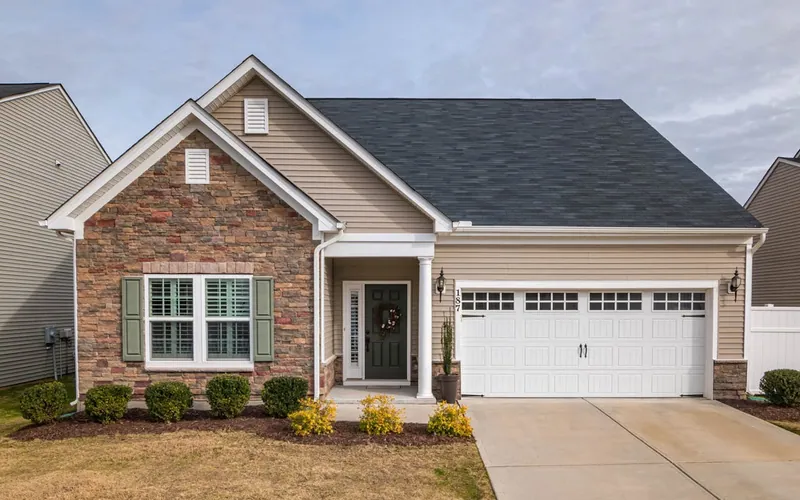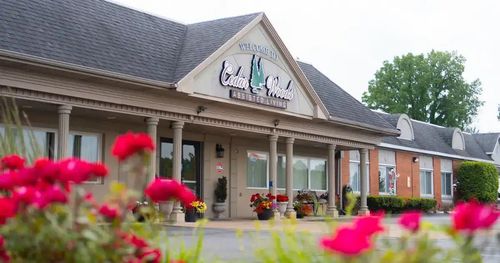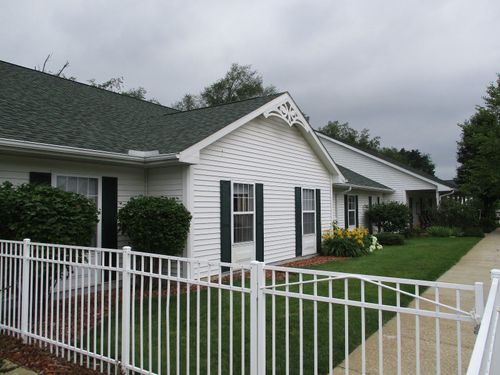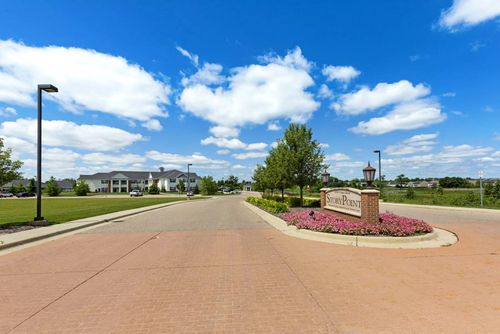
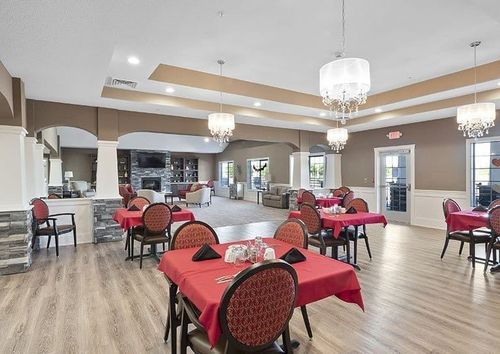

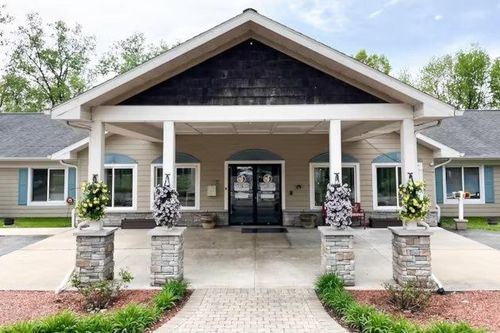

Monroe County holds a handful of licensed residential care options spanning from small group homes with twenty beds up to larger community environments accommodating sixty residents. Families looking across this southeastern Michigan region encounter a distinct mix of rural and suburban settings near Lake Erie and the River Raisin.
Local choices balance proximity to community medical centers with the quiet pace of surrounding townships. Finding the right fit means evaluating how staff members interact with residents during everyday moments rather than relying on promotional brochures.
Daily Support and Routine Living
Morning routines start when caregivers arrive to help residents with dressing, grooming, and moving safely into the dining room. Breakfast gives residents a predictable anchor point to see friends and talk about the weather before morning activities begin. Staff members monitor medication schedules closely and remain available in common areas throughout the day for unexpected needs.
Afternoon hours feature shared social times, quiet reading in sunny corners, and gentle movement exercises designed to maintain physical strength. Evening meals bring residents back together for a slower pace before evening assistance prepares everyone for a restful night. The structure reduces anxiety by providing familiar rhythms while respecting individual preferences for privacy or social engagement.
Understanding Monthly Rates Locally
Monthly fees for regional residences begin at $4,200 and stretch upward to $5,980 depending on the specific floor plan and level of personal assistance required. Alice Lorraine Care Center and Aspen Grove Assisted Living both establish their base entry point right at $4,200 per month for standard room layouts. Brookdale Monroe memory care shifts higher with a starting rate of $5,200 due to specialized memory support services.
Hampton Manor of Bedford matches the entry baseline at $4,200 while offering regional convenience near the southern county border. Families must budget carefully because higher tiers of physical support or medication management often add incremental charges to the base bill. Reviewing itemized fee schedules before signing helps prevent unexpected financial strain later.
Local Senior Demand Patterns
An aging population across the townships drives steady local interest in residential care settings that keep residents close to their lifelong neighborhoods. Adult children often commute from nearby industrial hubs or Toledo to visit aging parents residing in local facilities. This geographic closeness allows family members to drop in for lunch or accompany relatives to routine doctor appointments.
Demand remains consistent because older adults prefer staying within familiar county borders rather than moving away from established social circles and churches. Local facilities experience periodic waitlists for specific apartment sizes or ground floor accessibility. Planning ahead helps families secure preferred placements without feeling rushed by sudden medical changes.
Reasons Families Choose Regional Care
Managing medications and home maintenance becomes too difficult for many older adults living alone in older county housing stock. Assisted living bridges the gap by removing the daily burden of cooking, cleaning, and worrying about forgotten prescription doses. Families find immense relief knowing trained staff members respond immediately if a fall or sudden confusion occurs.
Children of aging parents also notice that social isolation diminishes once their loved one joins a community dining room and participates in daily gatherings. The presence of compassionate peers restores a sense of belonging that is hard to maintain in an empty suburban house. Choosing this path preserves dignity while offering a reliable safety net.
Navigating Transitions and Local Options
Local advisory support helps families evaluate current bed availability and understand how discharge timelines from regional hospitals intersect with available openings. Timing matters greatly when coordinating care, especially since none of these local residences accept Medicaid coverage upon entry. Advisors assist in mapping out private pay resources and matching specific physical layouts to a parent's mobility needs.
Navigating these choices does not have to feel overwhelming when you have a knowledgeable guide to help talk it through.
We keep expanding our Monroe County coverage as we evaluate providers for quality and alignment in 2026. Reach out for a conversation about assisted living in Monroe County, or look through the communities we have vetted at your own pace.