
Medicaid weighs more heavily on a dementia decision than on any other kind of senior care, because the condition regularly outlasts the money set aside for it. In Newaygo County one of the two secured settings takes part in the state program and the other does not, which for a family looking five years down the road is the single most consequential fact about the choice between them.
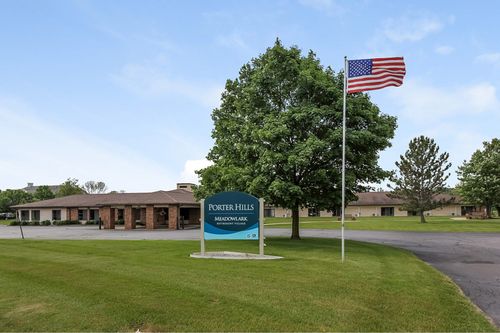
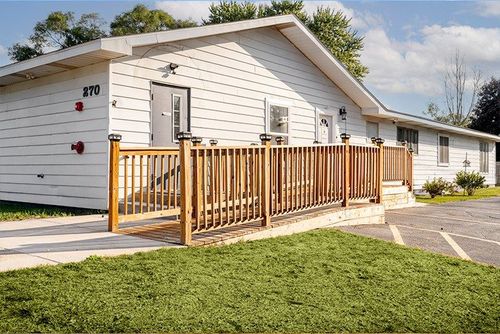
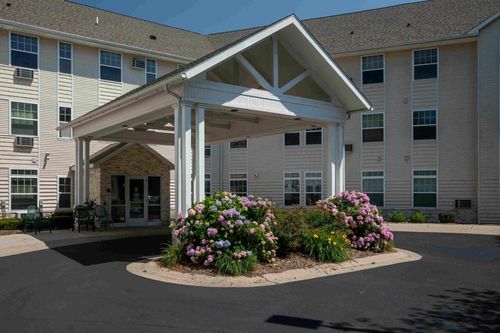
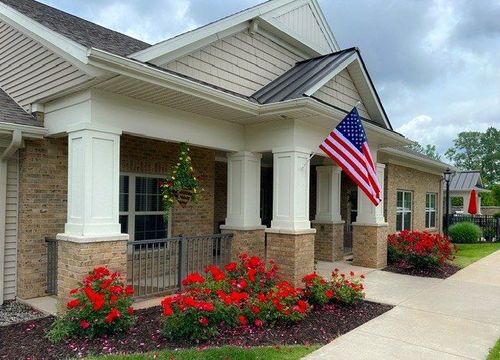
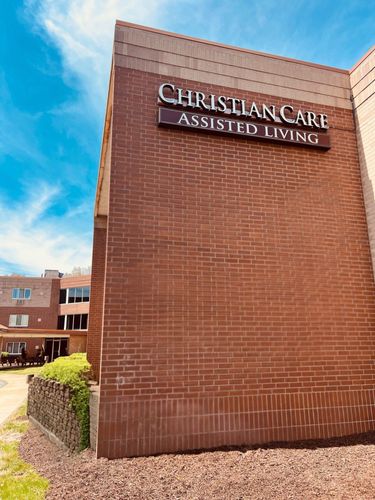
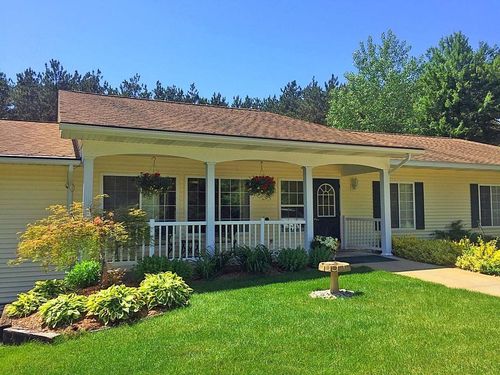
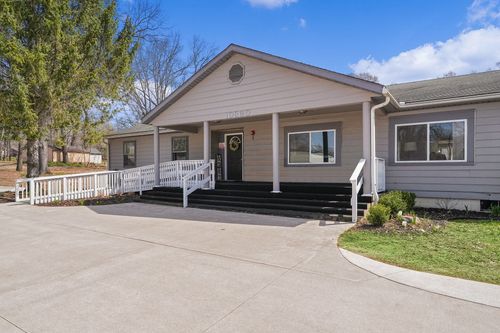
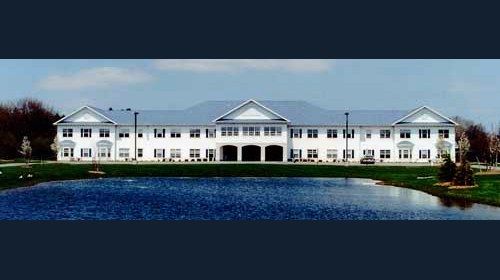
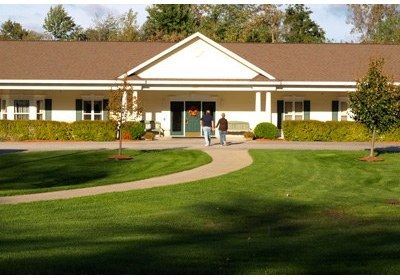
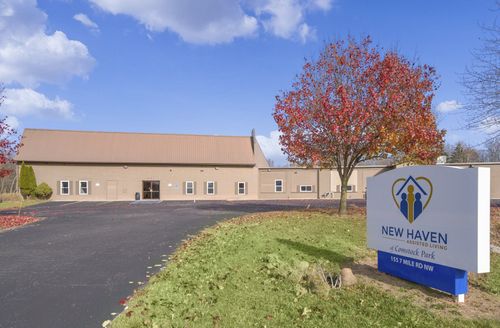
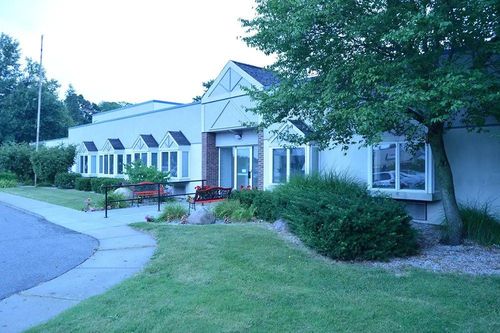
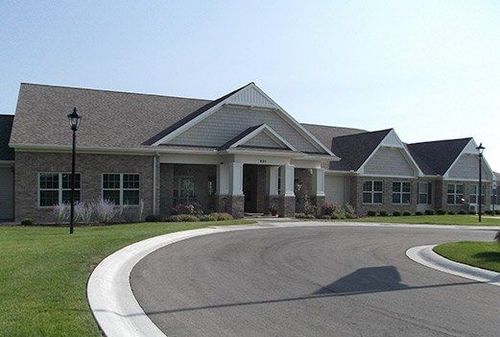
The two are Fountain View Retirement Village Grant and Green Acres Of Fremont II, twenty minutes apart in Grant and Fremont, both carrying secured dementia support above assisted living rates of $4,501 and $4,500 a month.
Trying the Arrangement Before Committing to It
Newaygo County has respite stays available, which is worth more in dementia than in any other situation. A booked short stay gives a caregiver who is genuinely worn down a real break with professional cover, and it gives the family something a tour cannot: a picture of how a particular building handles this particular person over a full week, including the evenings and the nights.
What that week reveals is the substance of secured care: how the day is structured so nothing depends on remembering it, how meals are paced, whether caregivers redirect rather than argue with a resident who has the year wrong, and whether overnight staff are awake rather than resting on call. Ask afterwards what the staff noticed, because caregivers in small buildings pick up changes in appetite, sleep and mood well before any formal review records them.
Pricing, and the Waiver Timeline That Comes With It
Both county rates, $4,500 in Fremont and $4,501 in Grant, describe assisted living. Secured dementia support prices above them, reflecting the heavier staffing and the specific training such a setting requires, so the figure worth asking each building for is the secured one rather than the entry number.
Where a building does participate in Michigan's MI Choice Waiver, timing becomes the thing that matters. The program covers care rather than housing, applicants clear a nursing-facility level-of-care determination alongside published financial limits, and enrolment runs through a regional agency whose queue moves in weeks for urgent cases and months for everyone else. Families who begin that review while private funds are comfortable keep their options; those who begin when the balance is thin usually pay privately through the gap anyway.
Secured Space in Two Small Buildings
Roughly 10,816 county residents have passed 65, scattered across a long rural county, and secured dementia care for all of them sits inside buildings that are small to begin with.
Secured space in that arrangement is carved out of buildings that are already modest in size, so it frees up when a resident moves on and not because anyone is expanding. That is the argument for making contact when memory changes first appear rather than when caring at home has become impossible, since the families already known to a building are the ones told when something opens.
Why Dementia Care Stays Between Fremont and Grant
Visiting is what decides it, since twenty minutes to either town keeps a spouse or an adult child dropping in through the week, while a move toward a larger market to the south would put an hour on every trip, and in dementia the frequency of a familiar face does more good than the length of any single visit.
Medical continuity is the quieter argument, since Corewell Health Gerber Hospital in Fremont covers the county's emergency care, imaging and clinics, so a resident keeps the same doctors and records after moving into secured care, while anything needing Grand Rapids, about 45 miles from Fremont and less from Grant, follows the pattern the family already knows. Caregivers in both buildings come largely from the same townships as the residents, and shared ground of that kind is a working tool when a conversation loses its thread.
The Question of Year Three
The comparison between them is not really about today. It is about which building a family would want a parent in three years from now, when the care level has risen and the money has been running for a while, and that means asking about the secured tier's price, current availability, staff tenure, and how each has handled residents whose dementia advanced faster than expected.
The Medicaid difference belongs in that same conversation, since it determines whether a long stay can continue where it started. Someone who visits both buildings has the current answers and can walk through what the waiver timeline actually looks like from application to enrolment. Before touring Fremont and Grant, a short conversation will tell you which questions matter most at each.
Our Newaygo County directory keeps expanding as we evaluate providers for quality and alignment in 2026. Reach out for a conversation about memory care in Newaygo County, or browse the communities we have vetted at your own pace.