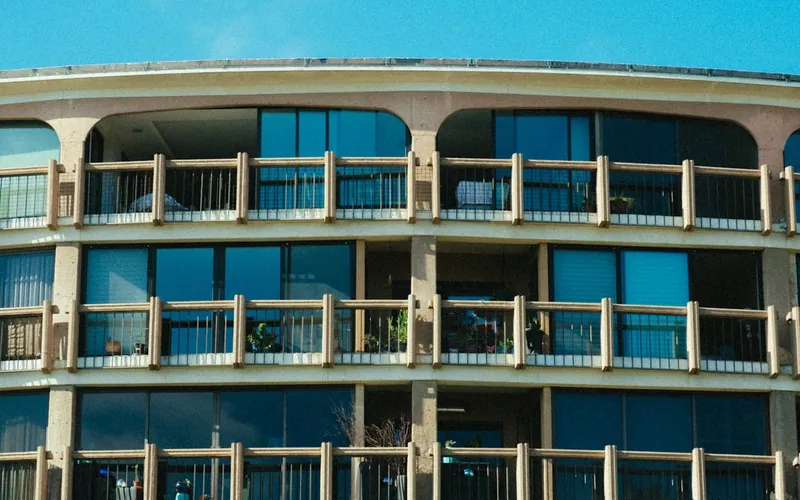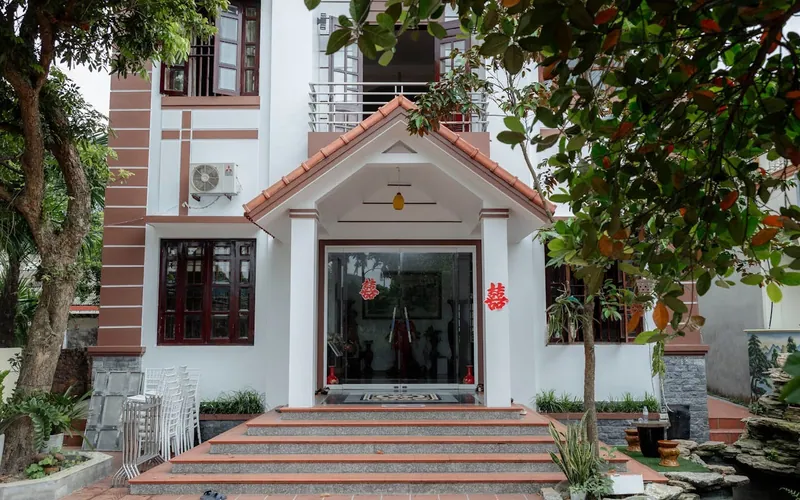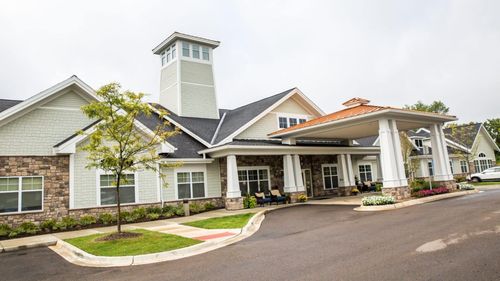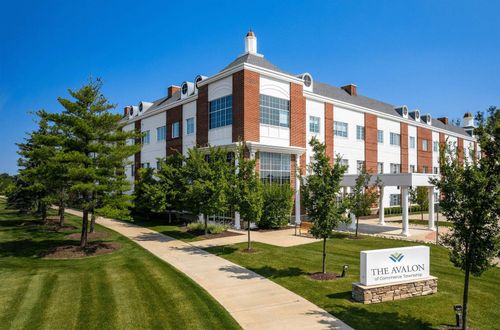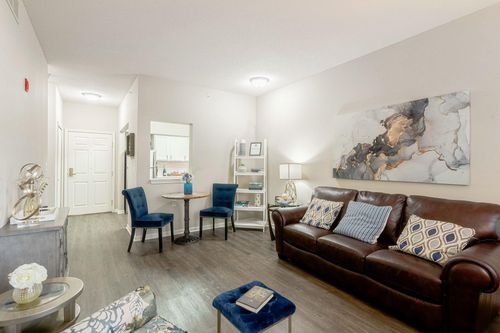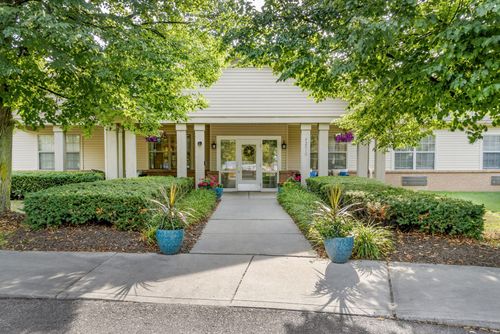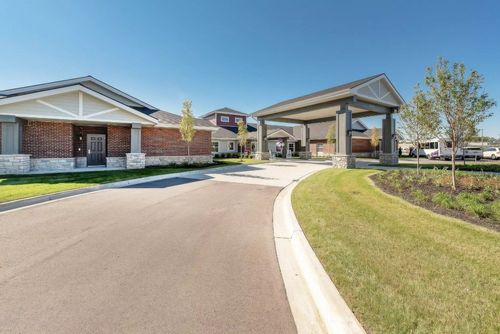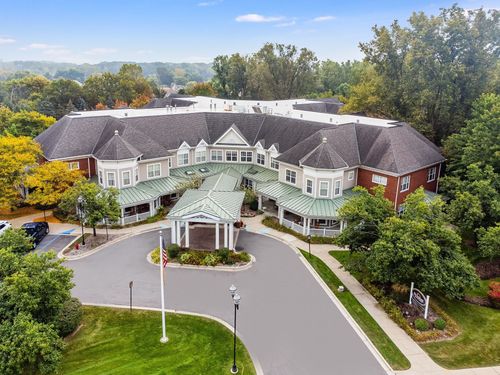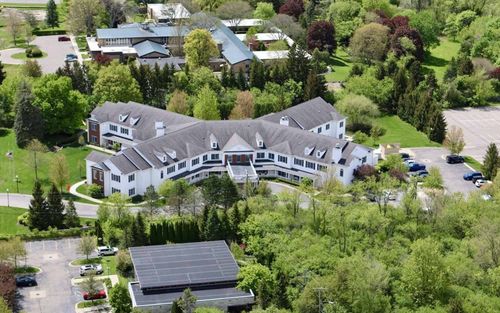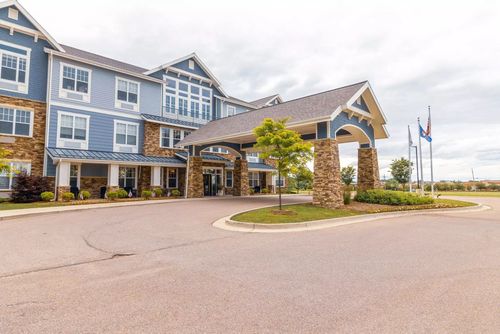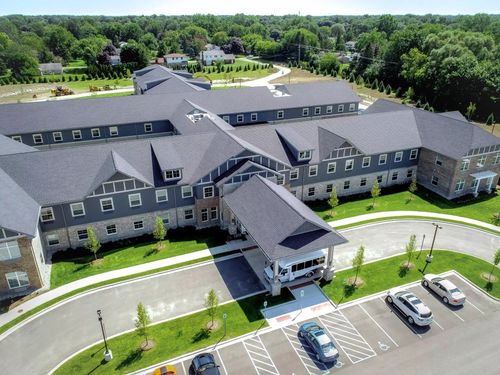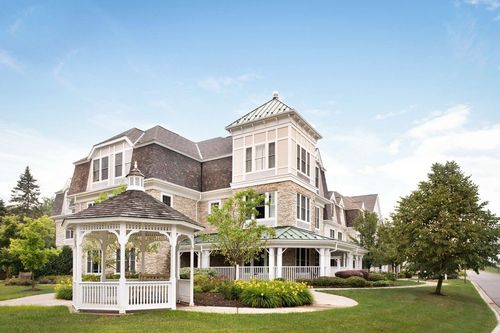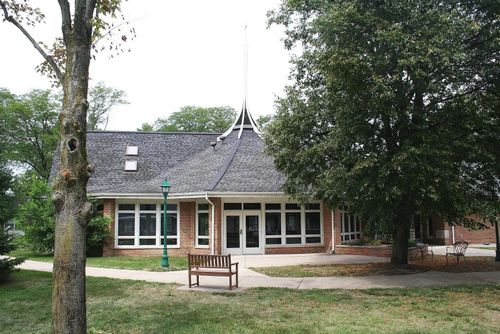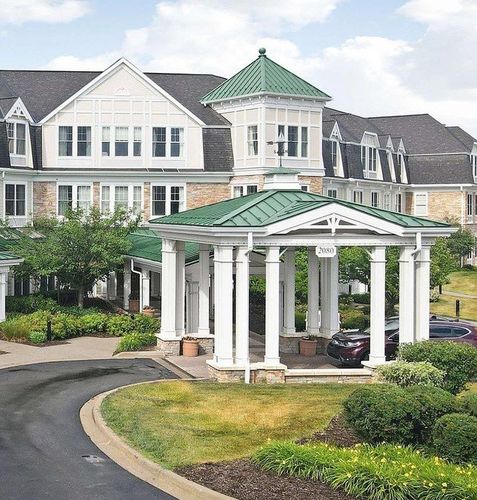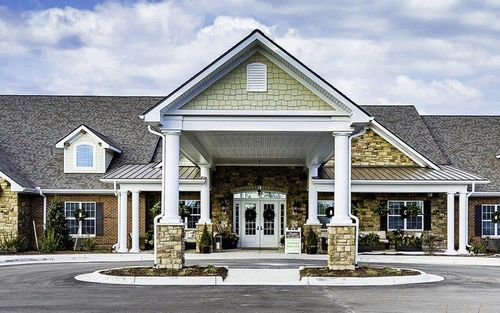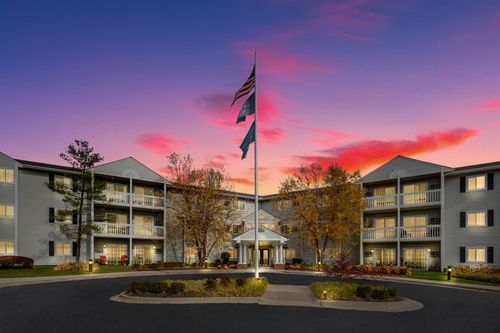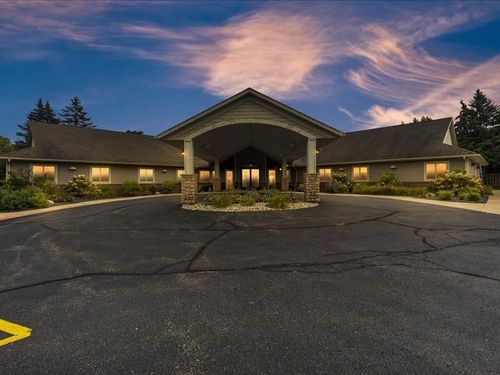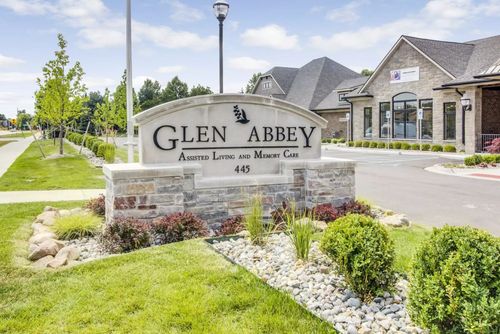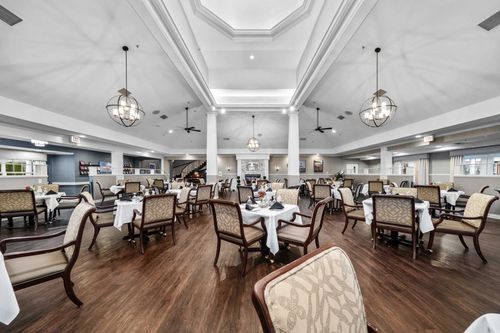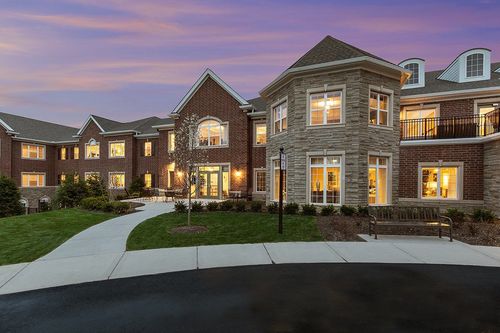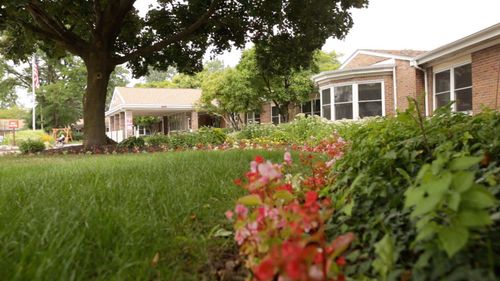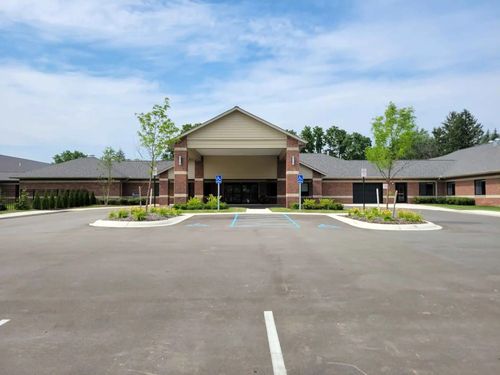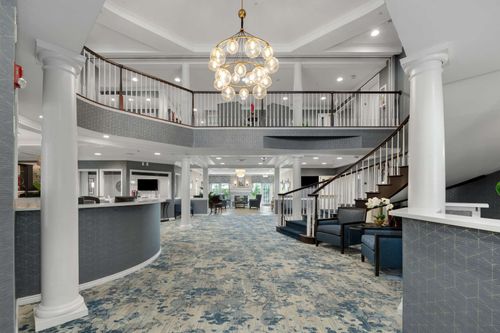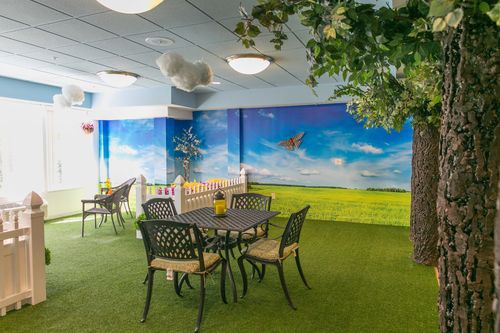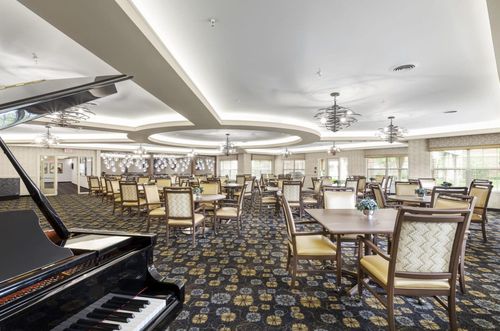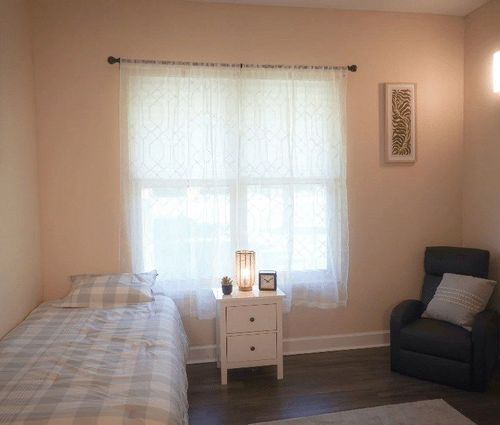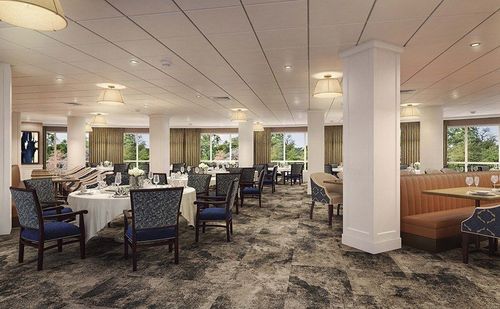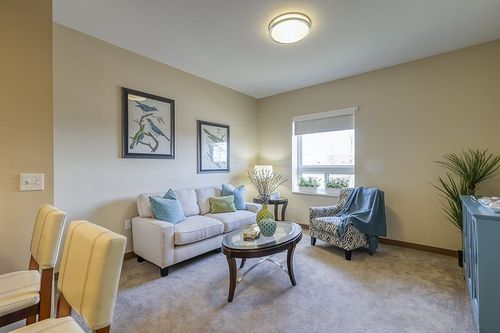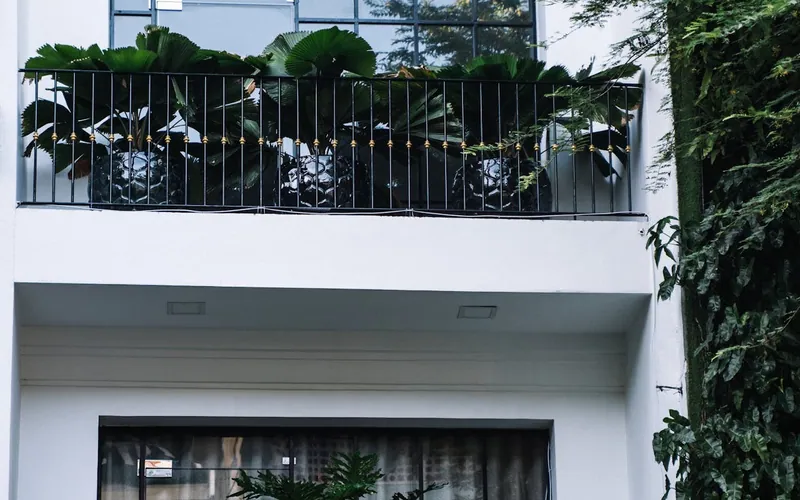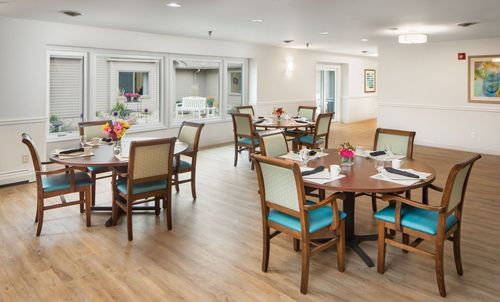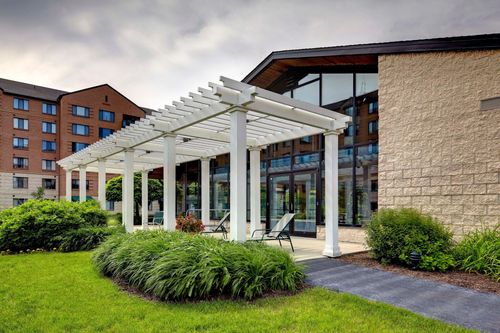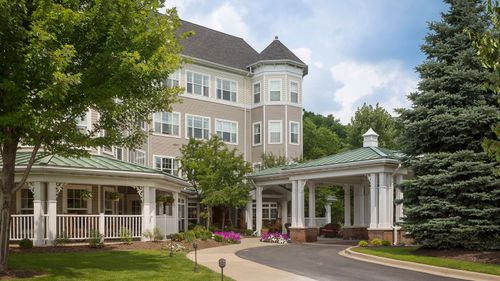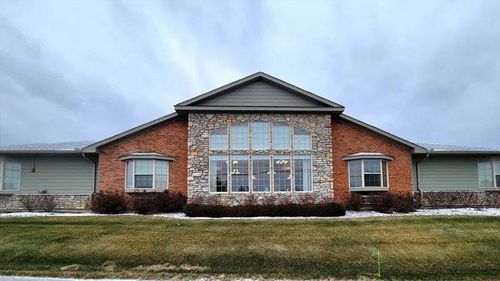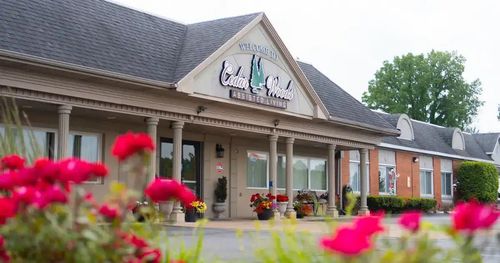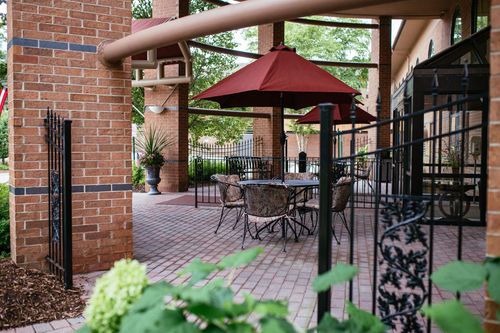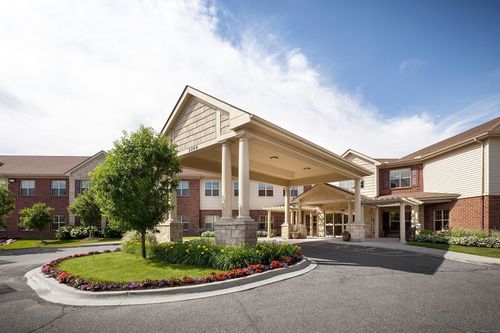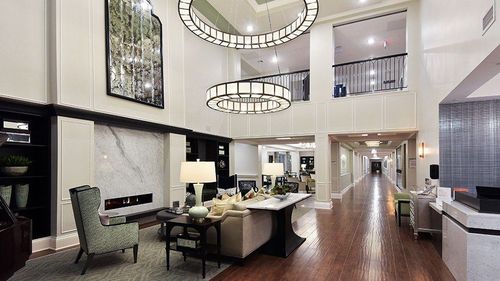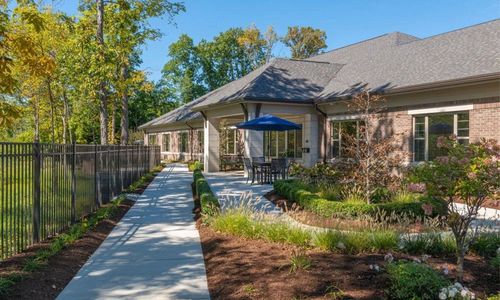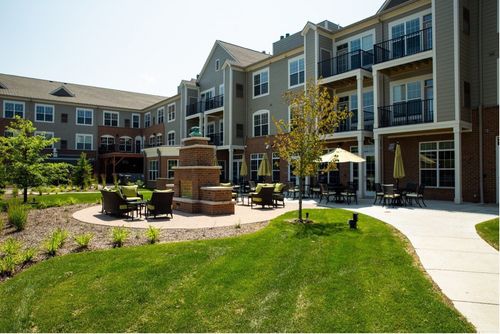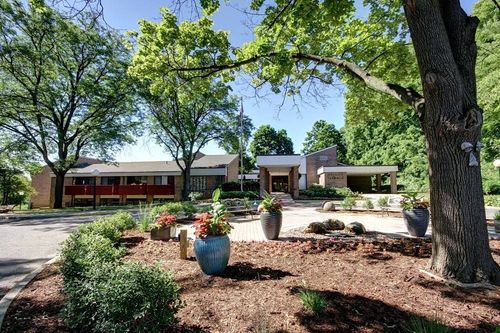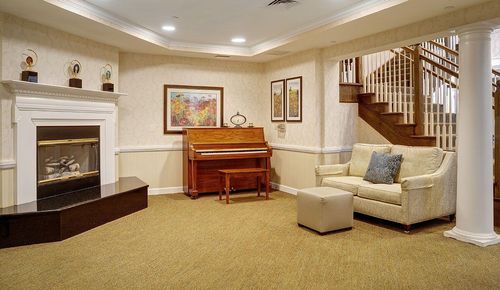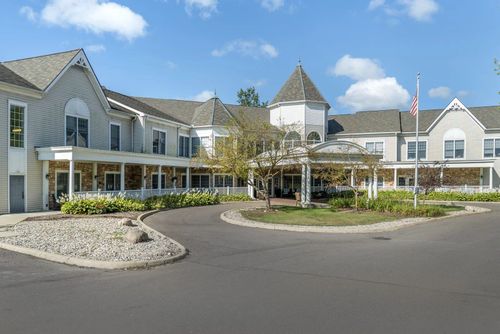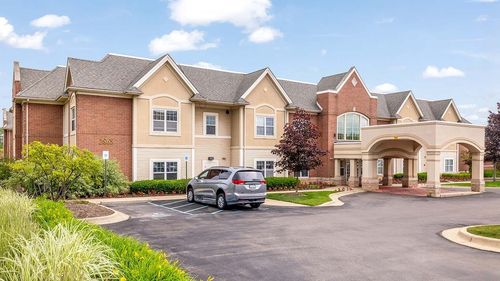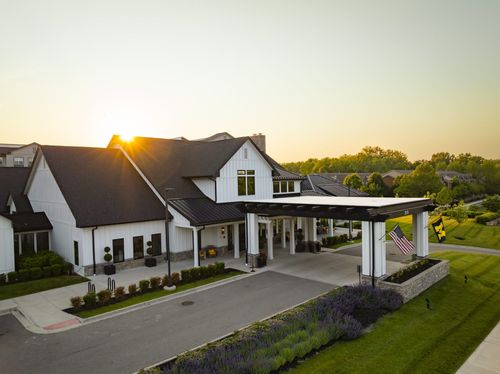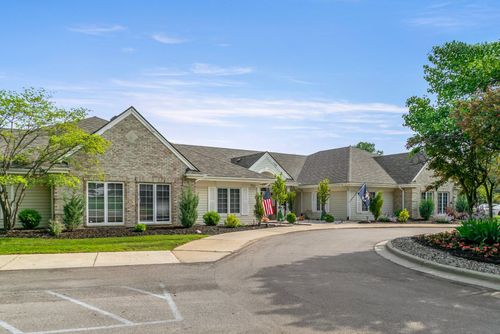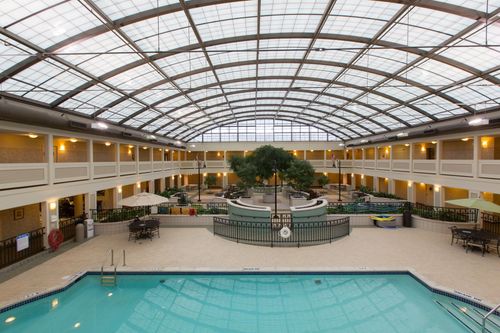
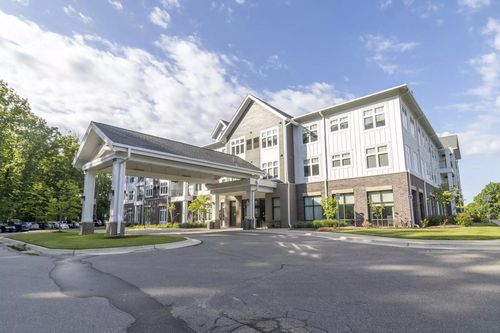
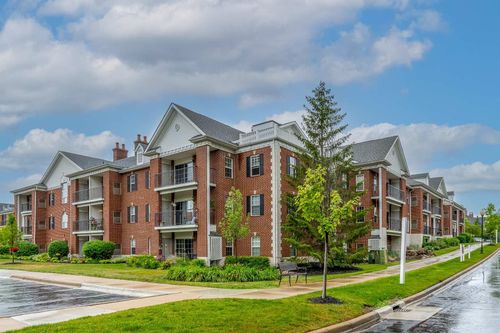
Novi sits within Oakland County where local memory care inventory spans a small number of dedicated residential options ranging from 110 to 115 beds per location. Families navigating a dementia diagnosis in this Michigan suburb face distinct structural choices when evaluating where a parent or spouse will live safely day after day. Local choices include purpose-built freestanding environments alongside specialized secure wings nested within broader senior campuses. Each layout approach alters how residents navigate their immediate surroundings and how staff monitor movement throughout the building.
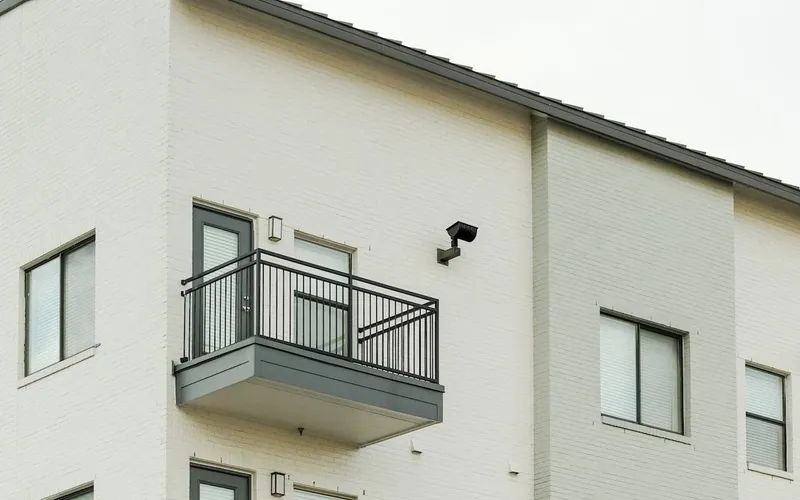
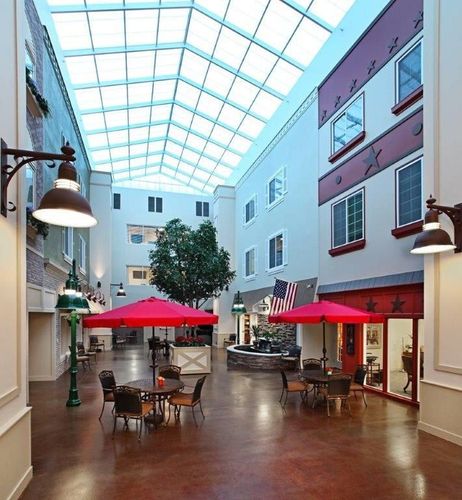
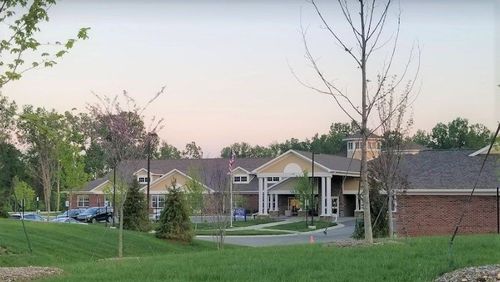
Finding the right physical setting requires looking closely at how the environment limits wandering while preserving a sense of personal freedom. Purpose-built properties integrate secure perimeters seamlessly into everyday hallways without making the space feel clinical or overly restrictive. Wing designs place memory support units on dedicated floors or partitioned corridors that utilize keypad entries and alarmed doors. Families must evaluate whether a freestanding layout or a partitioned wing better suits a loved one who requires redirection and consistent visual cues to feel secure.
Daily Routines and Specialized Support
Structured days inside these secure settings rely on predictable rhythms designed to reduce anxiety and encourage physical movement. Staff members coordinate cognitive redirection activities and personal care assistance tailored to the changing abilities of each individual resident. Morning hours typically focus on grooming assistance and guided group dining while afternoons feature sensory engagement and light exercise.
Consistency in staffing helps residents build familiar bonds with caregivers who understand subtle behavioral shifts. Routine changes or unfamiliar faces can trigger distress for individuals with cognitive impairment so stable daily patterns matter deeply. Care plans adapt over time as physical needs progress from basic supervision to total assistance with activities of daily living.
Local Financial Realities
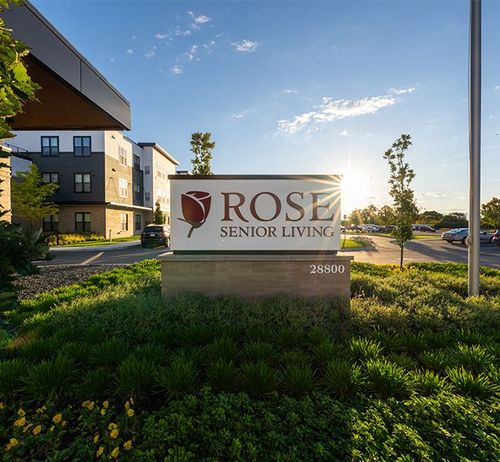
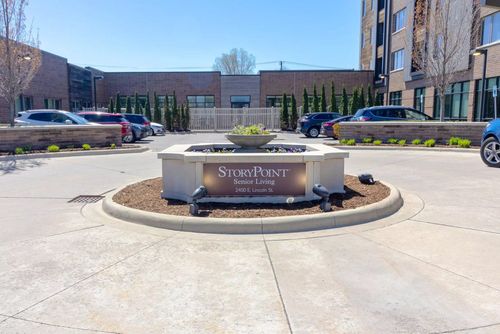
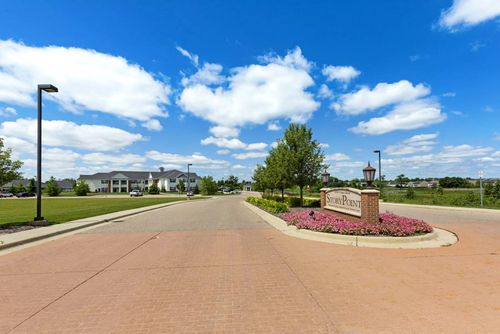
Monthly costs for memory support in this market begin at $4,295 and extend upward to $6,370 depending on the specific community chosen and the tier of care required. Rose Senior Living at Providence Park establishes the lower entry point at $4,295 per month while StoryPoint Novi begins at $6,370 per month. These figures reflect baseline monthly service fees rather than all-inclusive totals because tiered care assessments often add supplementary charges as support needs escalate.
None of the active local facilities maintain state program enrollment for Medicaid reimbursement so private funds or long-term care insurance finance these residencies. Budgeting must account for annual rate adjustments and potential increases in care tier fees as cognitive decline requires more intensive intervention. Families should map out their financial runway carefully before committing to a long-term residential contract in this region.
Local Demand and Community Growth
Local families frequently search for memory support as aging demographics across Oakland County increase the volume of diagnosed cognitive impairment cases. Adult children juggling their own careers and young children find that maintaining a home environment becomes unsustainable once safety risks emerge. The regional volume of inquiries remains steady as households seek professional oversight rather than attempting round-the-clock home care.
Proximity to major medical centers like Ascension Providence Hospital gives families reassurance that emergency healthcare is accessible within minutes of the residential doors. This local infrastructure makes the suburb a practical hub for relatives who live across Metro Detroit and want easy visiting access. The concentration of medical services alongside specialized housing draws people inward from surrounding townships.
Selecting the Right Environment in Novi
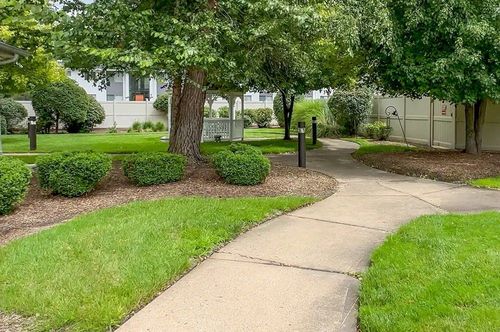
Choosing a specialized environment in this city allows families to keep loved ones close to familiar Michigan surroundings while securing 24-hour supervision. The decision often hinges on whether a resident responds better to a smaller, self-contained residential footprint or a larger campus environment with diverse walking paths. A pet friendly policy applies at a few of the local sites, meaning animal companionship remains an option for residents who find comfort in familiar pets.
Transitioning a relative into a secure unit alleviates the exhausting burden of home safety monitoring that frequently falls on a lone spouse or working child. Knowing that exterior doors are monitored and staff are trained in behavioral intervention lets family members return to the role of supportive relatives. The physical architecture of these buildings ultimately serves as a protective boundary that fosters relative calm.
Navigating Transitions and Local Guidance
Local advisory insights help families balance admission timelines with the reality of private pay financial structures and building layouts. Understanding discharge criteria from acute care hospitals into local memory environments prevents unexpected bottlenecks during family crises.
When timeline pressures mount and choices feel overwhelming, a short conversation can help talk it through.
Our Novi directory keeps expanding as we evaluate providers for quality and alignment in 2026. Start the conversation about memory care in Novi, or look through the buildings we cover at your own pace.