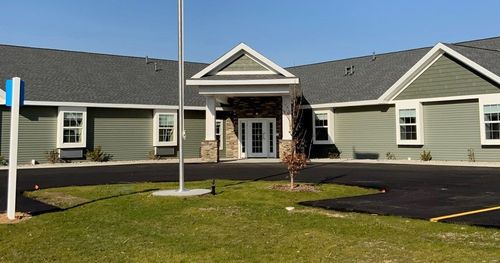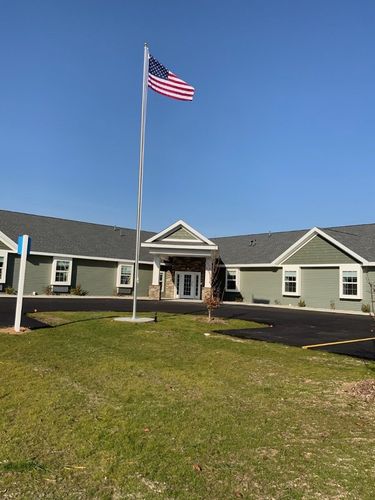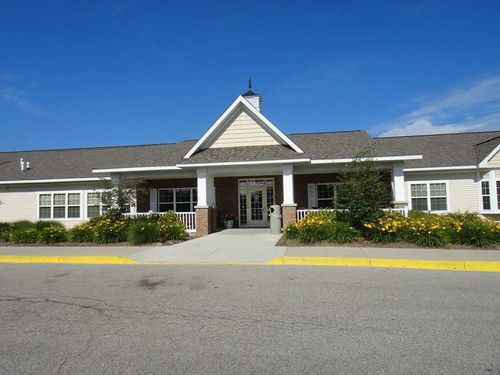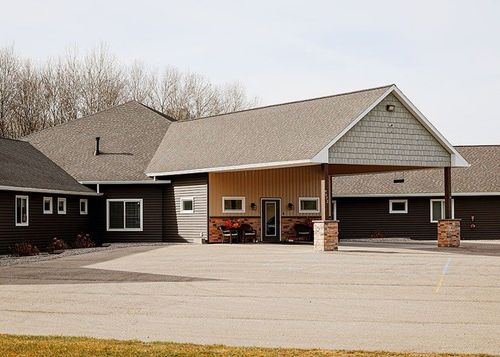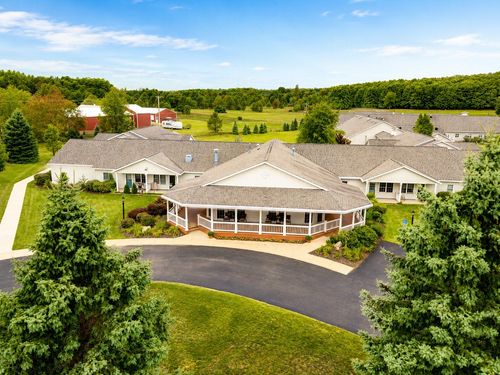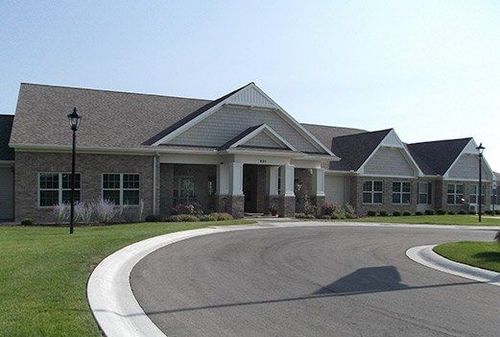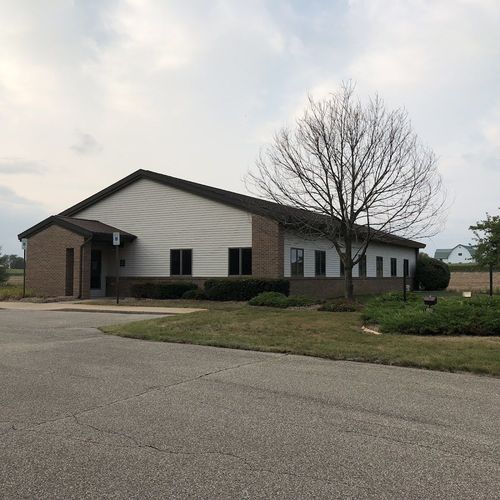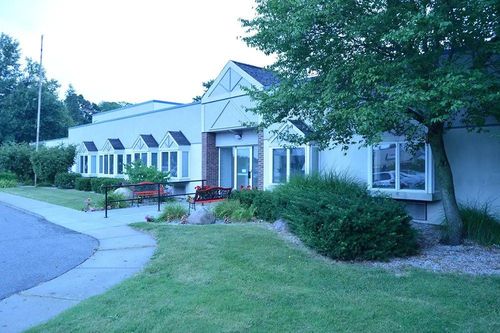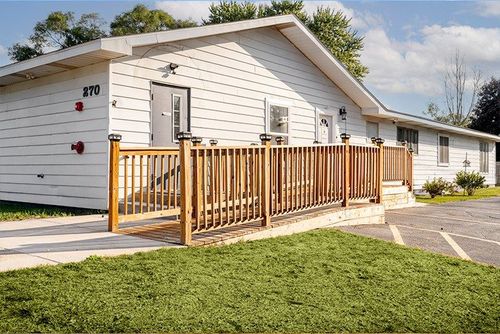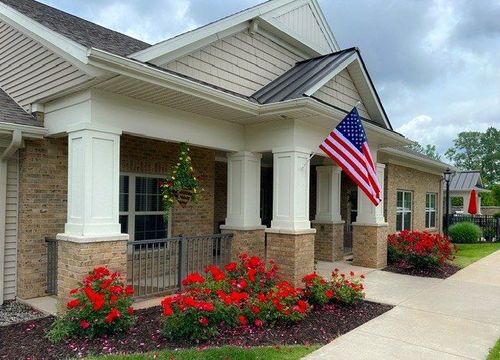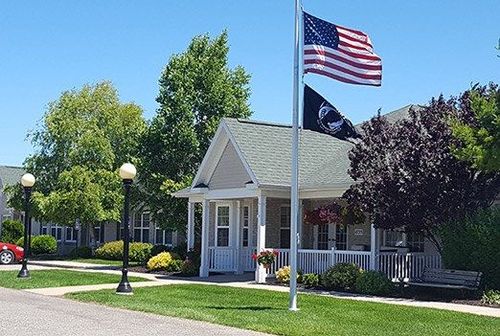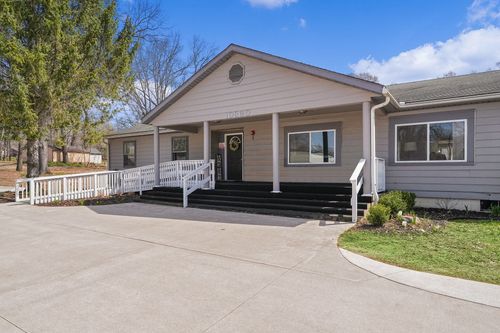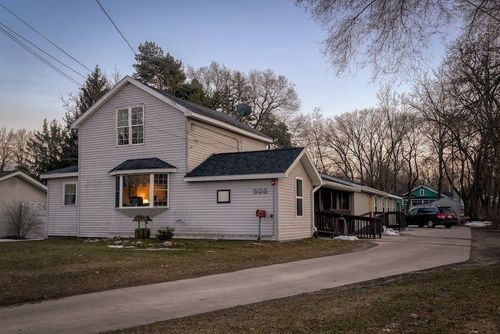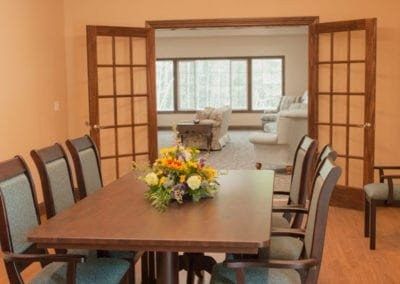
Memory care inside a twenty-resident home is a different proposition from memory care in a purpose-built wing, and Osceola County has only the former. Reed City Fields Assisted Living III carries the county's secured support inside a single small building, so the useful question is not which wing a resident would live in but how one house delivers two levels of care under one roof.
That question has answers, and they are the ones worth asking on a visit. How is the secured side separated from the rest, who is on duty there overnight, do residents at the two levels share a dining room, and what does the building do when somebody becomes distressed at five in the afternoon.
How One House Runs Two Levels
At this scale the secured tier is a set of practices rather than a separate department. The day repeats deliberately, because routine is what steadies somebody whose short-term memory no longer holds the plan. Doors and outdoor access are managed rather than left open. Medications are administered, meals are watched for how much is actually eaten, and the staffing pattern assumes somebody will be awake at three in the morning.
The advantage of a small building is continuity, and dementia rewards that more than any other condition does. A resident who moves from the assisted side to the secured side keeps the same caregivers, the same kitchen, the same corridor and the same view from the window, which spares them the disorientation that a change of building reliably produces. A resident who cannot retain a new name can still recognise a face that appears every single day.
The Premium Above the Published Rate
The $4,200 figure attached to this address is its assisted living rate. Secured care prices above it, as it does across Michigan, so a household budgeting from the advertised number is budgeting for a level of care their resident has already passed. Ask for the secured figure specifically and ask what it includes.
The rest of the funding picture is short, because Medicaid is not accepted for this tier in the county, which makes memory care here entirely private money, drawn from savings, a pension, a long-term care policy or Veterans benefits. Because dementia is measured in years, the arithmetic worth doing before a move is how many of those years the available money genuinely covers, and what the household would do in the year after that.
Why a Single Secured Setting Fills Slowly
Demand at this level does not spread evenly across the county's 5,400 residents past 65. It concentrates in the oldest part of that group, which means it builds quietly for years and then arrives all at once for a particular family.
What makes it tighter still is the length of stay. Residents who move into secured care generally remain for years rather than months, so rooms at this level turn over far more slowly than assisted living rooms in the same building. A family that waits for a crisis is competing for something that comes free only occasionally, which is the strongest argument there is for making the enquiry long before the answer is needed.
The Medical Case for Staying in Reed City
Corewell Health Reed City Hospital is a comprehensive stroke centre as well as a critical access hospital with a round-the-clock emergency department, which matters more for this population than it might first appear, since strokes and the cognitive changes that can follow them are treated in the same building a resident already knows.
Beyond that, the town itself is doing work the memory no longer can. The same streets, the same church, the same faces recognised without being named all carry somebody further than any feature of a building will. A move out of the county removes every one of those cues at once, and it removes them from the person least equipped to build new ones.
What to Settle Before the Room Comes Free
With a single address the questions stop being comparative, and what matters instead is whether a secured room exists, what the assessment will conclude, what the real monthly figure will be, and how far into dementia this particular building can carry somebody before it says it cannot. A local advisor can answer all four without a family making four calls.
The last of those is the one that decides everything downstream, and it is the one families ask far too late. Knowing where the ceiling sits, what happens if a resident passes it, and how the hospital's own nursing centre fits into that sequence turns a single-option county into something resembling a plan. That is worth a short conversation now rather than in the week it becomes urgent.
The Osceola County directory continues to grow as we evaluate providers for quality and alignment in 2026. Start the conversation about memory care in Osceola County, or look through the buildings we cover at your own pace.