Dementia rarely arrives on its own, and it is usually the second diagnosis that decides how hard a family's year becomes. Cadillac is unusually well equipped for that problem: Munson Healthcare Cadillac Hospital runs a cancer and infusion centre on its campus and hosts cardiologists from the Munson heart team, so a resident in secured care can keep an infusion appointment or a heart follow-up in town instead of making the drive north for each one.
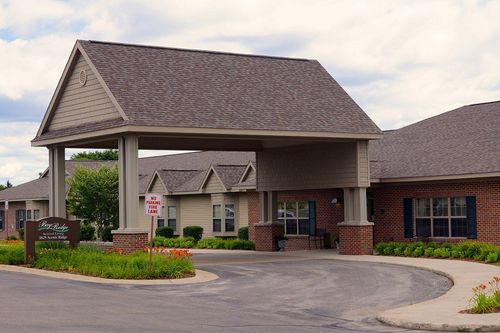
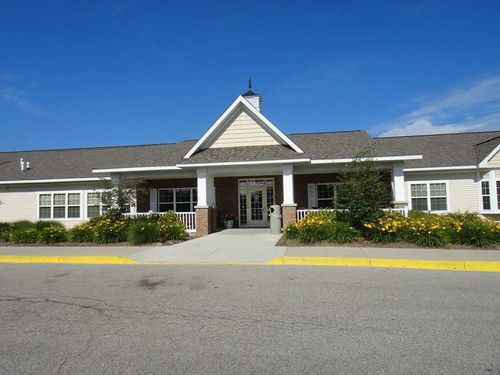
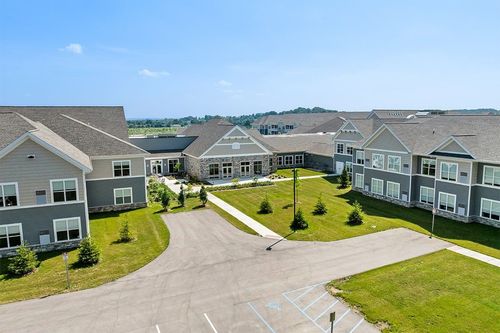
Both of Wexford County's secured settings, Curry House II and Maple Ridge Living Center Cadillac, sit in that same town. For a resident with dementia and a second condition to manage, keeping every appointment inside a few miles is not a convenience; it is what makes the arrangement hold together.
Managing Appointments When Memory Is the Problem
A medical appointment is a small thing until dementia is involved. An unfamiliar waiting room, a long car journey and a disrupted routine can unsettle a resident for the rest of the day, and a resident who cannot report their own symptoms needs somebody with them who can. That is why the practical questions here are logistical rather than clinical: does a staff member accompany a resident to appointments, how far ahead does transport have to be arranged, and who passes what the clinician said back to the family.
The rest of secured care is familiar substance, and it still needs asking about building by building: alarmed exterior doors instead of a locked ward, meals paced with help at the table, a schedule fixed enough that nobody has to hold it in their head, caregivers trained to redirect instead of correct, and overnight staff who are awake rather than resting on call. Ask each what it does when a resident refuses care, and how a family hears about a fall.
The Step Up From the Entry Rates
Wexford County's published assisted living figures start at $3,400 a month at Maple Ridge Living Center Cadillac and $4,200 at Curry House II. Secured dementia support prices above whichever of those a resident starts from, because the staffing is heavier and the training specific.
That step is the number families should be asking for from the beginning, since most residents arrive on the assisted living side and move across later. Neither building takes part in Medicaid, so the funding here is private throughout, and Michigan's waiver, which pays for care rather than housing in buildings enrolled with the program, has nowhere local to apply. What decides a family's options is therefore the length of the private-pay road at the secured rate rather than the entry one, and that calculation belongs at the start.
A County of Thirty-Four Thousand With Two Secured Options
Wexford County holds about 34,266 people, roughly 7,228 of them past 65, drawn from Cadillac and the lake and forest country around it. Two secured settings serve all of them, and they are different enough in scale that they suit different residents rather than competing for the same one.
Secured space is a portion of each building rather than a wing waiting to be filled, which means it opens on turnover and not on demand. Families already known to a building hear first. Starting the conversation while memory changes are still mild is what converts this from a scramble into a choice.
Why Cadillac Holds Its Own Dementia Care
The alternative is a long drive, since Munson Medical Center in Traverse City, about 49 miles north, takes what Cadillac cannot handle and delivers radiation therapy at its cancer centre, but an hour each way turns daily visiting into weekly visiting, and with dementia the frequency of a familiar face is doing real work.
Staying local also keeps the clinical relationships a resident already has. The same emergency department, the same cardiology clinic, the same records and the same pharmacy all carry over, which spares a family rebuilding a medical history at exactly the point when the resident can no longer supply it.
One Town, Different Answers
The comparison here is not about which building is better but about which one a particular person will settle into, and that turns on things no website carries: whether a secured space is open, what the secured tier costs once an assessment is done, how long the caregivers have been in place, and how each has handled residents whose dementia moved faster than expected.
Someone who walks both buildings has those answers and can also work through what a private-pay road looks like across several years in a county where the waiver does not reach. That conversation is worth having before touring, not after. If a diagnosis has landed and the next move is unclear, talk it through while both buildings are still genuinely available.
Our directory for Wexford County continues to grow as we evaluate providers for quality and alignment in 2026. Reach out for a conversation about memory care in Wexford County, or look through the communities we have vetted at your own pace.