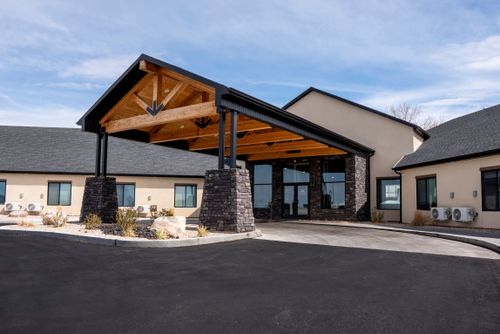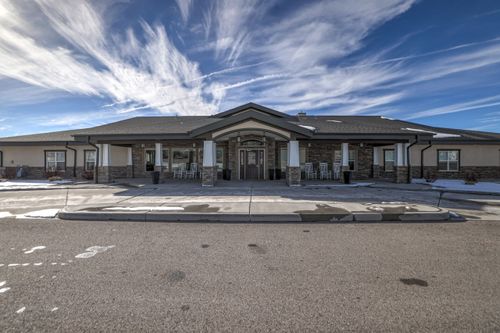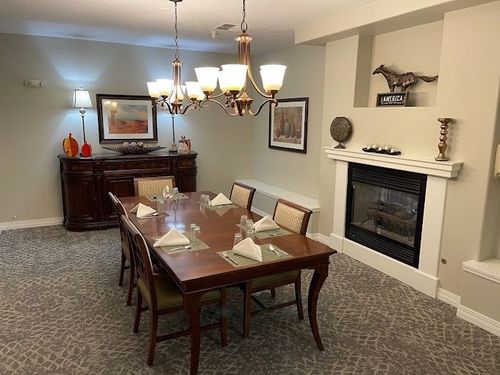

Beaver County's senior-living picture is a small one, built around a handful of homes, hospital partnerships, and a limited assisted-living footprint rather than a long row of full-service campuses. The assisted-living inventory centers on Beaver City, with a thinner layer of smaller residential homes nearby and hospital-based long-term care covering the highest needs.
The county's senior population is unusually deep for Utah. About 1,100 of Beaver County's 7,300 residents are over 65 in 2026, close to fifteen percent of the population. The result is a tight-knit care network where the same small group of buildings, hospital wings, and home-health agencies handles most of the county's senior support.
How Care Shows Up in Beaver County
Beaver County's small inventory means the four standard care levels are not evenly available. Assisted living and residential homes form the local base, while memory care, dedicated independent living, and standalone skilled nursing either sit outside the county or live inside the hospital's long-term care wing.
- Assisted Living: Assisted living is offered at the Beaver City building and at smaller residential homes scattered around the county. When help with medications, bathing, or daily routines becomes consistent, the Beaver City building or one of the residential homes usually has an opening within a week or two because total inventory is small.
- Independent Living: Dedicated independent living is not available locally. Families typically choose between aging in place with home-health support and moving out of county when an apartment-style retirement calendar becomes the priority.
- Memory Care: Beaver County has no standalone secured memory-care neighborhood in its local inventory. Families generally rely on the assisted-living building for early-stage dementia, Beaver Valley Hospital's long-term care wing during higher-acuity periods, or an out-of-county move to a purpose-built neighborhood when needs grow beyond what is available in town.
- Skilled Nursing: Skilled nursing lives inside Beaver Valley Hospital's long-term care wing. Hospital discharges move through Beaver Valley's process, and longer-term needs that exceed the wing's capacity get routed to a higher-acuity facility outside the county.
Most Beaver County families add support in stages: home-health visits first, the local assisted-living building when daily help becomes constant, and then the hospital's long-term care wing or an out-of-county move when needs outgrow the local options.
Healthcare Access in Beaver County
Beaver Valley Hospital in Beaver carries the county's daily clinical load. The 25-bed Critical Access campus includes an emergency department, an acute-care unit, and a long-term care wing that serves as the county's primary skilled-nursing capacity. It also offers a dialysis program for residents who would otherwise drive ninety minutes for treatment.
For higher-acuity care, complex surgery, oncology, or trauma, families usually go to Cedar City Hospital roughly fifty miles south or to Intermountain Medical Center about two hours north on I-15. Senior-living staff and home-health agencies in Beaver and Milford coordinate appointments and discharges directly with Beaver Valley, often reaching the same case managers and on-call nurses on a single Tuesday phone call.
What Beaver County Pricing Looks Like
Assisted living in Beaver County typically costs about $3,800 a month in 2026, below the Utah statewide median because rural inventory is small. Smaller residential homes often price all-inclusive, and the local advisor can walk you through what each one covers. Memory care is not available locally, so families considering a memory-care neighborhood usually plan around higher regional rates that the advisor can help you compare.
Beaver Valley Hospital's long-term care wing accepts Medicaid for residents who qualify financially, with private-pay rates running roughly $300 to $400 a day before any waiver coverage begins. Move-in fees at the local building are modest, starting around $500, and the advisor can confirm the current amount for you.
Why Families Choose Beaver County
Families choose Beaver County for its slower pace and close local ties. Three or four generations often live within twenty minutes of each other, and many of the same families that settled this corner a century ago still anchor the senior centers and ward calendars.
High alpine summers, mild winters at six thousand feet, and trout streams around Beaver and Minersville help older residents keep an outdoor rhythm into their eighties. Senior centers in Beaver and Milford run weekday calendars built around older neighbors, and the small-town fabric means a missed lunch usually gets noticed within a day or two.
What a Local Advisor Brings to Beaver County
A Local Senior Advisor who works the area knows which assisted-living rooms in Beaver have current openings, which residential homes in Milford and Minersville take Medicaid waivers, and how Beaver Valley Hospital's long-term care wing schedules transfers and respite stays. The advisor also knows when an out-of-county move makes sense for memory care and when staying in Beaver with home-health support is the better fit.
Our directory for Beaver County continues to grow as we evaluate providers for quality and alignment in 2026. Reach out for a conversation about senior living in Beaver County, or browse the communities we have vetted at your own pace.