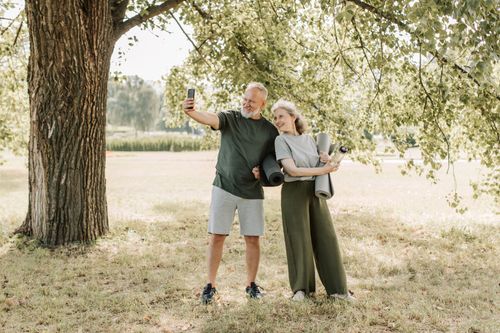
Healthy aging is less about luck than most people assume. A handful of everyday habits, kept up consistently, do more to protect independence in later life than almost any single treatment. The preventive wellness habits that help seniors thrive are moving every day, eating well and staying hydrated, getting seven to eight hours of sleep, staying socially and mentally active, keeping up with screenings and vaccines, and managing chronic conditions and medications closely, all of which work together to preserve health and independence.
This article walks through the habits that matter most, why each one counts, and how the right setting can make them easier to sustain.
Move Every Day
Physical activity is the closest thing there is to a wonder drug for older adults. It maintains muscle and bone, steadies balance to prevent falls, lifts mood, and even improves sleep, with research showing that low-dose, gentle exercise still delivers real benefits.
The goal does not require a gym. Daily walking, stretching, light strength work, and balance exercises like tai chi keep the body capable, and the National Institute on Aging lists staying active among the core pillars of healthy aging. The key is consistency: a little movement most days beats an occasional burst. Our guide to senior wellness covers how to build activity into a routine.
Eat Well and Stay Hydrated
Nutrition needs change with age even as appetite often shrinks, which makes good eating a deliberate habit rather than an automatic one. Protein, fruits and vegetables, whole grains, and adequate fluids protect muscle, energy, and the immune system.
Older adults are also prone to dehydration because the sense of thirst dulls with age, so drinking regularly throughout the day matters more than many realize. Limiting alcohol and heavily processed food rounds out the picture. Eating well is one of the habits where a community helps directly, since balanced meals show up three times a day without anyone having to shop or cook.
Talk to a Local Advisor
Free help comparing communities and current pricing in your area. No cost, no pressure.
Protect Sleep
Sleep is not a luxury that fades with age; it is a repair process the body still needs. Most adults do best with seven to eight hours a night, and poor sleep is linked to falls, low mood, and memory problems.
A consistent bedtime, morning daylight, daytime activity, and a dark, quiet room all support better rest. When sleep problems persist, they are worth raising with a doctor rather than accepting as a fact of aging, since causes like sleep apnea, pain, or medication side effects are often treatable.
Stay Connected and Mentally Active
The mind and the social world are as much a part of wellness as the body. Isolation and inactivity of the mind carry real health risks, while connection and engagement protect against them.
Regular contact with family and friends, hobbies, learning, and a sense of purpose are tied to better mood and slower cognitive decline. Staying engaged can mean a class, a club, volunteering, or simply a standing weekly visit. The point is to keep showing up for life, because the people who stay connected tend to stay healthier in every other way too.
Keep Up With Screenings and Vaccines
Preventive medical care catches problems while they are still small and cheap to fix. Routine checkups, screenings, and vaccines are among the highest-value habits an older adult can keep.
Regular checkups and chronic-care visits: Track blood pressure, cholesterol, and blood sugar, and review how chronic conditions are doing. Cancer screenings: Follow a doctor's guidance on colorectal, breast, and other screenings appropriate for age and history. Bone-density testing: Screen for osteoporosis, which raises fracture risk from a simple fall. Vision, hearing, and dental care: Annual checks protect against falls, isolation, and infection. Recommended vaccines: The CDC recommends staying current on flu, COVID, pneumococcal, shingles, and RSV vaccines, which prevent illnesses that hit older adults hardest.
A yearly wellness visit is a good anchor for making sure none of these slip.
Manage Chronic Conditions and Medications
Most older adults live with at least one chronic condition, and how well it is managed often matters more than the diagnosis itself. Steady, attentive management keeps a condition from becoming a crisis.
That means taking medications as prescribed, keeping an up-to-date medication list, and having a provider review it periodically to catch interactions and unnecessary drugs. It also means acting on warning signs early rather than waiting. Reducing fall hazards at home belongs here too, since a single fall can undo years of careful health maintenance. Our guide to chronic condition management covers this in more detail.
Prefer to talk it through? A local advisor can answer your questions and compare current pricing, free.
(385) 200-2175Practical Next Steps
- Build a small amount of movement into most days, including something for balance and strength.
- Plan meals around protein, produce, and whole grains, and keep water within reach throughout the day.
- Set a consistent sleep schedule and raise persistent sleep problems with a doctor.
- Schedule a yearly wellness visit and use it to stay current on screenings and vaccines.
- Keep an accurate medication list, review it with a provider, and reduce fall hazards at home.
When to Talk to a Local Advisor
Many of these habits are simply easier to keep in a setting built around them, with meals, activity, social life, and health support woven into daily life. A local senior advisor can help you find senior living communities that genuinely support healthy aging and match a person to one that fits. The service is free to families.
For related reading, see our guides to senior wellness and chronic condition management. Healthy-aging guidance is available from the National Institute on Aging.
This article is informational only and is not medical advice. Health needs differ from person to person. Consult a physician about screenings, vaccines, exercise, and managing any medical condition.