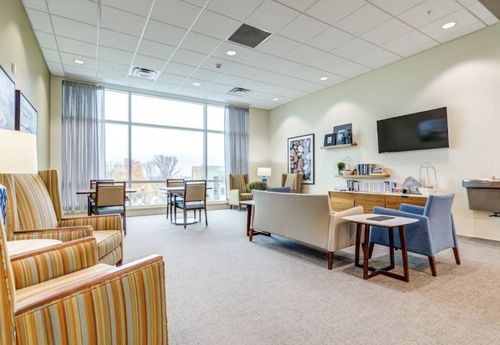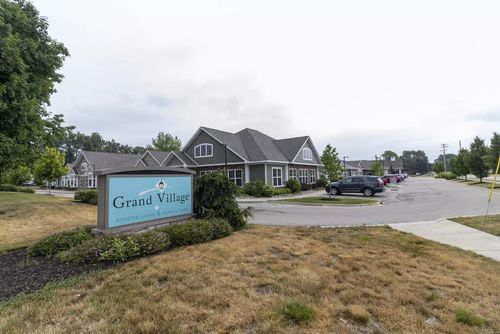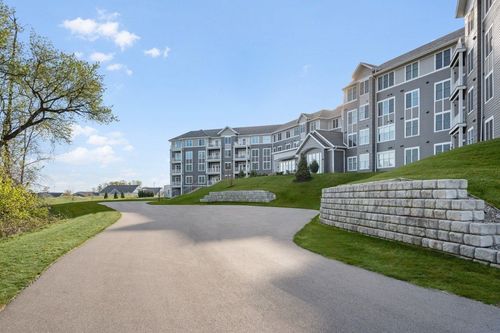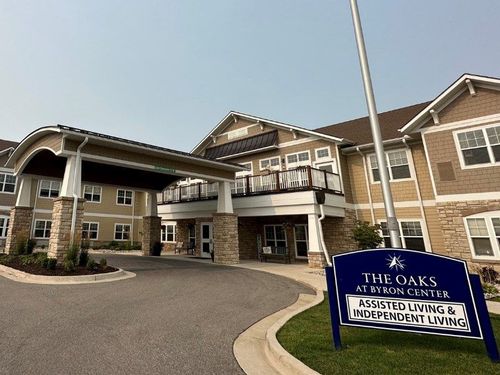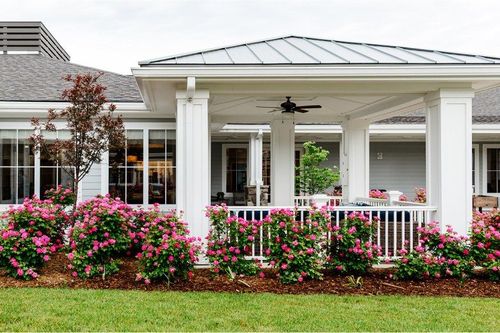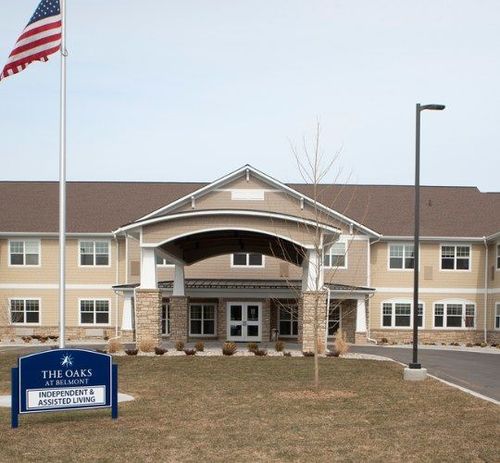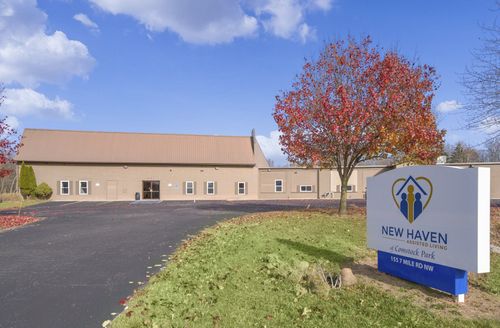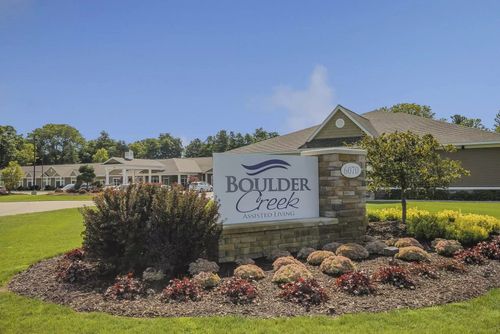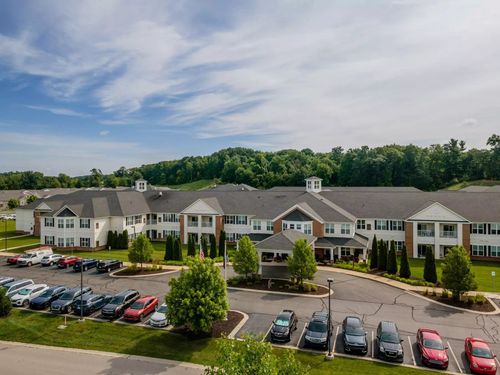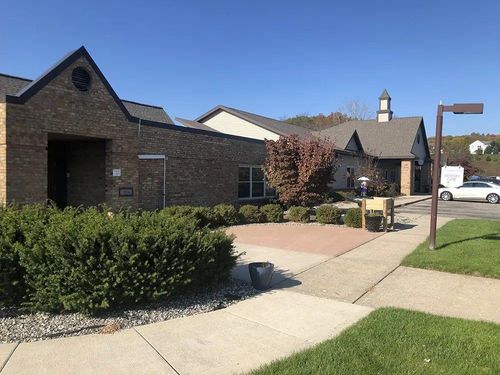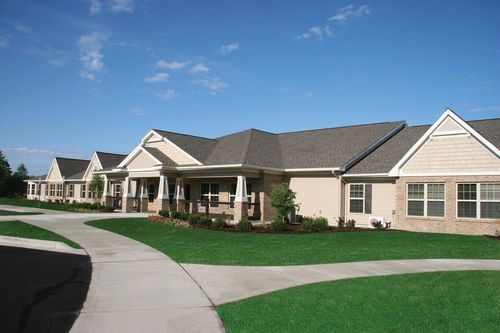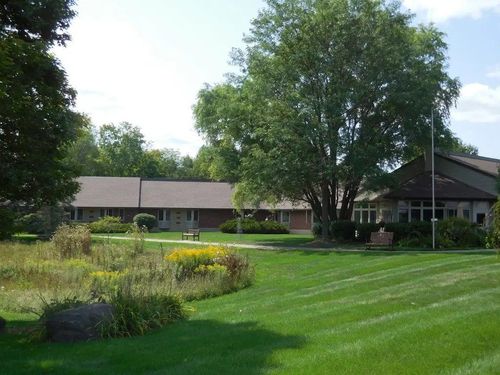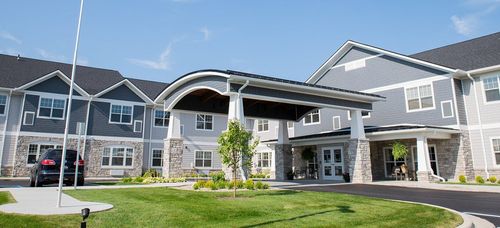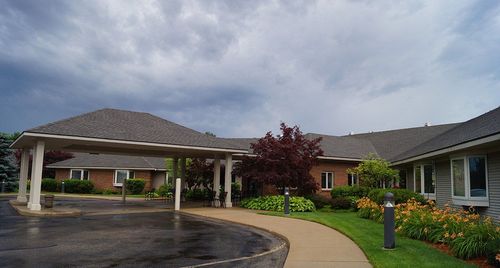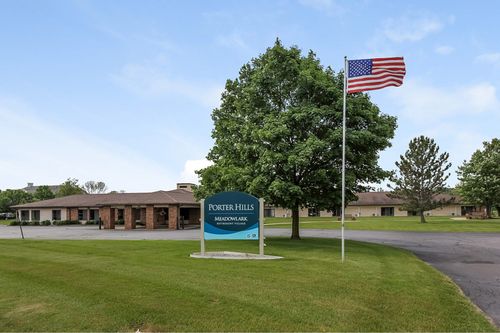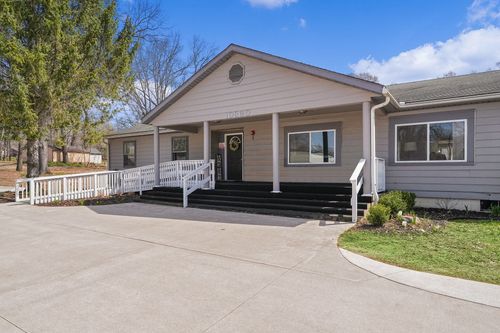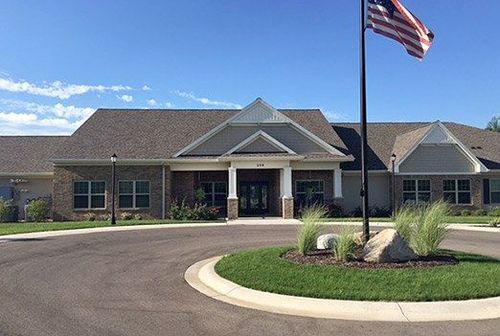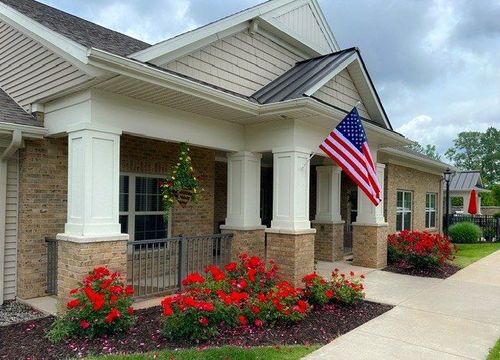

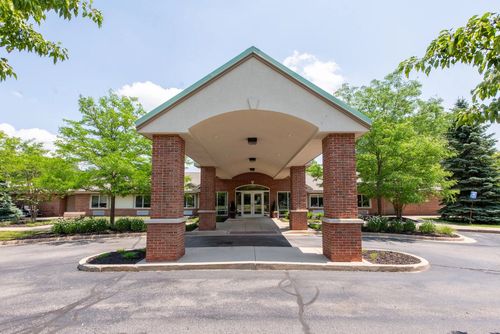
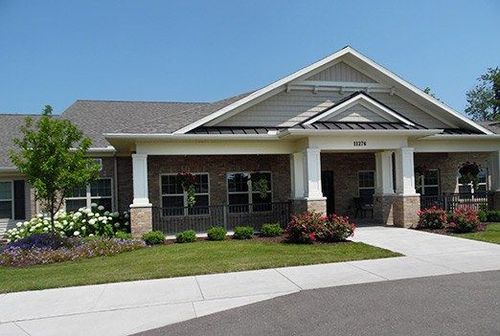
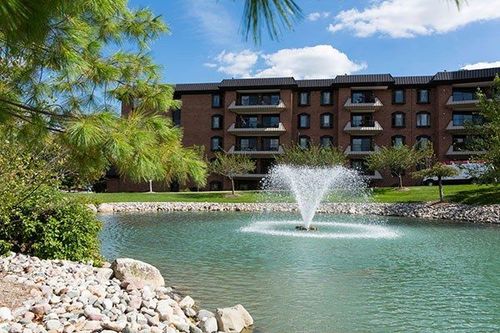


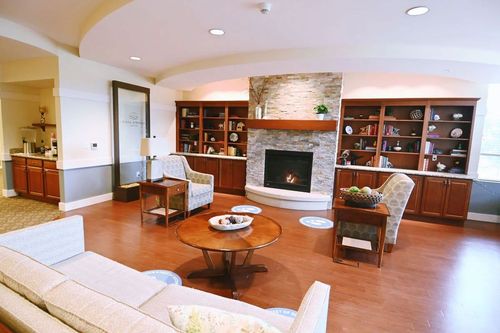
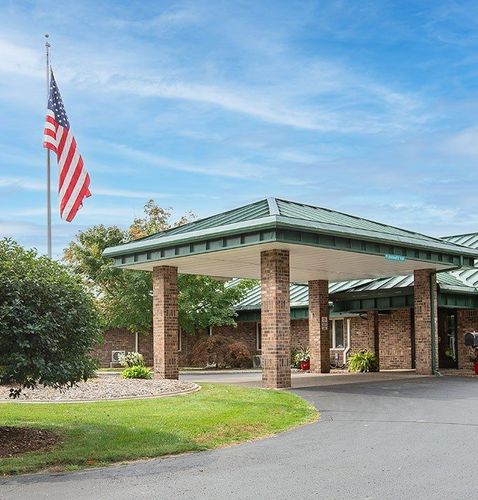
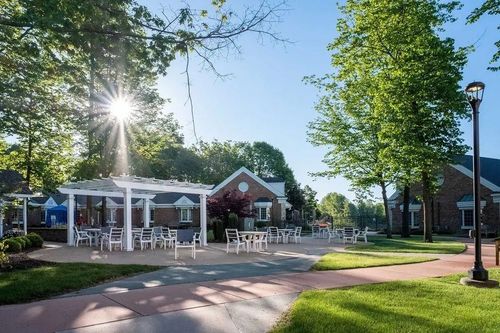

Grand Rapids operates more than twenty licensed senior living residential settings across Kent County, providing families with a diverse regional network spanning independent apartments, assisted living support, and specialized memory care environments. The local senior living infrastructure reflects Western Michigan patterns where urban everyday services merge closely with established residential neighborhoods along the Grand River corridor.
Families navigating this market find distinct structural formats ranging from intimate boutique residences featuring fourteen beds to larger regional campuses scaling up to one hundred twenty beds per location. This variety allows older adults to remain within familiar communities near major healthcare providers like Corewell Health and Trinity Health Grand Rapids without relocating away from their support networks.
The Spectrum of Care Available Locally
Residential choices across Grand Rapids accommodate individuals requiring minimal assistance with daily routines as well as those needing structured, around the clock medical oversight. Communities such as Alger Heights North provide foundational residential options starting at $2,500 per month, while comprehensive continuing care retirement communities like Covenant Village of the Great Lakes scale upward to $5,493 per month for advanced service tiers.
Intermediate care settings bridge this gap effectively. Facilities like Aquinata Hall at $4,200, Brightside Living West Shore at $3,500, Cascade Trails Senior Living at $4,600, Commonwealth Senior Living at East Paris at $4,950, Commonwealth Senior Living at Grand Rapids at $3,960, and Cranberry Park of Grand Rapids at $4,100 deliver tiered assistance depending on individual mobility and personal care needs.
Understanding Local Financial Investment
Monthly financial obligations for senior living in Grand Rapids span a defined baseline from $2,500 up to $5,493 per month depending on the chosen residential model and required service depth. Entry level rates generally cover standard room accommodations and basic communal dining, whereas higher tier investments incorporate customized personal care assistance and specialized health monitoring.
Several local residences accept Medicaid for qualified applicants, though availability varies significantly by specific location and unit designation. Pet policies also differ across the region, with a few properties permitting domestic animals under specific weight and temperament guidelines while others maintain strict no pet regulations.
Navigating Choices and Evaluation
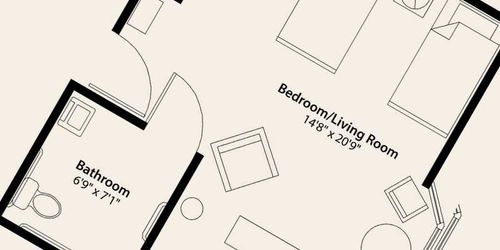
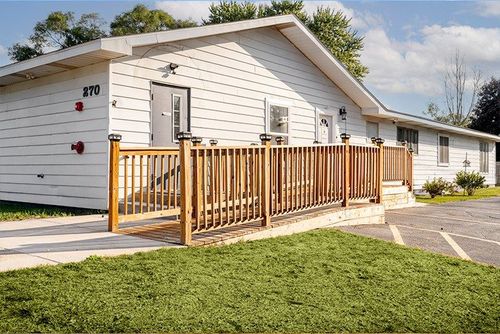
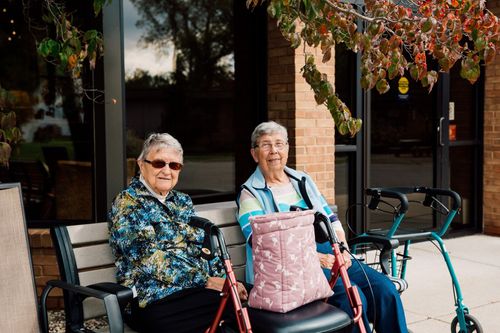
Comparing regional senior living options requires families to assess immediate personal care requirements against future medical progression. Evaluating physical layouts involves examining whether a community accommodates mobility devices or provides secure perimeters for cognitive support needs without feeling institutional.
Financial planning must account for potential shifts in care levels over time, ensuring the selected residence can transition an older adult smoothly from independent living to assisted support. Reviewing staffing ratios and meal preparation standards during initial visits helps clarify daily living quality.
Local Guidance and Transition Support
Navigating the expansive Grand Rapids senior living landscape benefits from localized knowledge regarding specific facility licensing histories and current availability dynamics. A local advisor evaluates individual financial constraints and health needs to isolate residential choices matching specific family priorities.
Families overwhelmed by the volume of regional choices can talk it through with an experienced professional who understands the operational realities of Michigan elder care communities.
Our directory for Grand Rapids continues to grow as we evaluate providers for quality and alignment in 2026. Start the conversation about senior living in Grand Rapids, or look through the buildings we cover at your own pace.