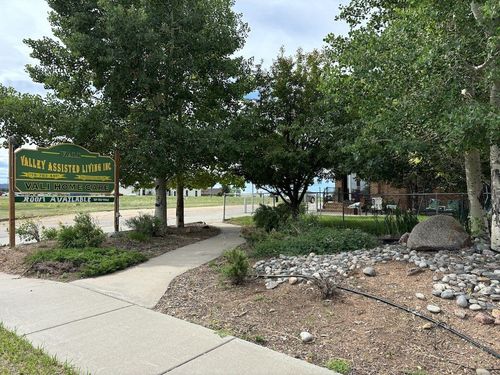
Huerfano County features a small number of assisted living communities serving families across the southern Colorado landscape. Local care options center heavily around individualized support, allowing older adults to remain in familiar mountain surroundings while receiving the assistance they require. Finding the right fit involves looking past generic brochures to see how individual facilities manage daily routines and medical needs. Families have limited options within county lines, making proactive research and early planning essential steps toward a successful transition.
Daily Rhythms in Local Care Homes
Caregivers in this part of Colorado focus on maintaining steady routines that balance health management with personal independence. Residents receive help with everyday tasks such as bathing, dressing, and medication administration, all delivered within a residential setting. Staff members understand the unique rhythm of mountain living, often incorporating local traditions and community involvement into the daily calendar. This personalized approach ensures residents feel connected to their neighbors and the broader environment.
Meal times serve as important social anchors throughout the day. Kitchens typically prepare hearty, home-style meals, accommodating dietary restrictions when necessary. In between meals, staff facilitate light physical activities and group gatherings. These structured interactions promote mental sharpness and emotional well-being. Each resident follows a care plan tailored to their physical abilities, ensuring they receive the appropriate level of monitoring without feeling restricted.
Understanding Local Costs and Budgets
Financial planning for elder care requires a clear understanding of regional rates and what those funds cover. Care facilities in this rural area generally bundle fundamental living expenses with the specific personal care services an individual needs. This bundled pricing helps families budget effectively, as they do not have to pay separate fees for basic assistance and housing. The base costs vary depending on the layout of the living space and the intensity of the medical support required.
At La Veta Village, monthly rates start at $5,500 for standard residential care and daily living support. Specialized memory care or advanced health monitoring will typically increase this baseline figure. Since state medical assistance programs are not accepted at this location, families must plan to use private funds, long-term care insurance, or personal savings. Understanding these financial commitments early helps families make sustainable long-term decisions.
Senior Population Trends
The demographic shift in southern Colorado shows a steady increase in the number of aging adults choosing to retire here. Many long-time residents prefer to age in place rather than move to larger urban centers, which creates localized demand for community-based support systems. When independent living becomes difficult, families naturally look to nearby care facilities to keep their relatives close to home. This regional demand means that available spaces fill up quickly.
Because the inventory of licensed care homes is small, waiting lists are a common reality for families navigating this transition. Local care providers prioritize continuity, meaning residents often stay in these homes for the remainder of their lives. This pattern of long-term residency contributes to the low turnover rates within local facilities. Relatives should start evaluating their options long before a crisis occurs to secure a spot at a preferred location.
Reasons for Choosing Local Support
Many older adults develop health conditions that make living alone unsafe or isolating. Assisted living provides a practical solution that bridges the gap between total independence and skilled nursing care. Families appreciate that these residences offer a secure environment where trained professionals are on duty around the clock. This constant presence brings tremendous peace of mind to relatives who may live hours away or have their own demanding work schedules.
Social isolation is another significant factor driving the move to a shared living environment. Rural living can sometimes limit opportunities for regular social interaction, leading to cognitive and emotional decline. Moving into a supportive community surrounds seniors with peers and engaging daily activities. This vibrant social atmosphere combats loneliness while ensuring that personal care and medical needs are met promptly.
Navigating the Senior Care Transition
Understanding local care options involves much more than comparing monthly rates and facility sizes. A local senior advisor helps families navigate the complexities of local health care regulations and facility licensing. They provide insights into when to initiate the transition from independent living and how to assess whether a specific community matches a relative's personality. Having an experienced advocate streamlines the evaluation process and minimizes the stress placed on family members during this pivotal time.
Timing the move correctly is critical for ensuring a seamless transition and avoiding disruptions in care. Advisors guide families through the necessary paperwork, from medical evaluations to financial disclosures, ensuring everything is completed accurately. They also assist in finding the right building fit, matching a senior's mobility needs with the physical layout of the residence. If a senior is recovering from a hospital stay, advisors help coordinate the discharge process to ensure continuous support. To simplify your family's search and discuss the next steps, feel free to reach out for a short conversation.
Our Huerfano County directory keeps expanding as we evaluate providers for quality and alignment in 2026. Reach out for a conversation about assisted living in Huerfano County, or browse the communities we have vetted at your own pace.