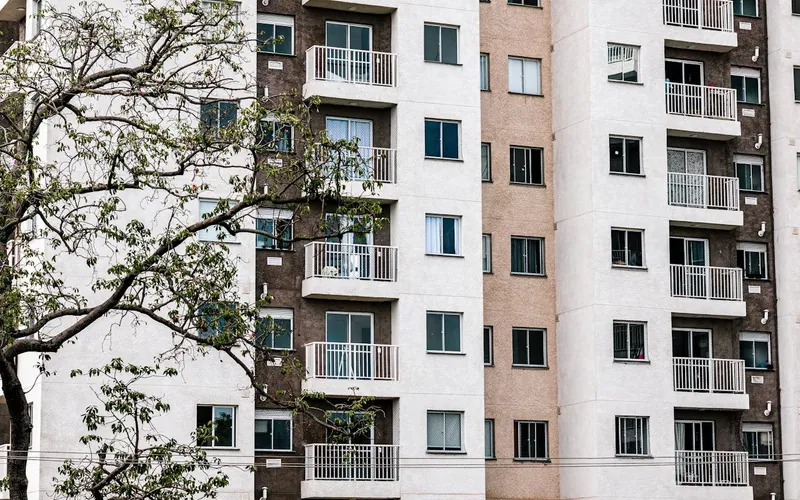
A 58-bed skilled nursing community in Prescott Valley, with licensed nurses on every shift and rehabilitation support in a cool, high-country setting.
- Skilled nursing
- Nurses every shift
- Rehab support
- Private payment
Why Families Choose Good Samaritan Society-Prescott Valley
- 58 skilled nursing beds with licensed nurses present on every shift
- Set in Prescott Valley more than a mile above sea level, with cooler, drier air
- Meals brought to the room when a resident is too tired for the dining area
- Rehabilitation balanced with rest after a hospital stay
- Medicaid not accepted, no pets, and no respite stays
About Good Samaritan Society-Prescott Valley
Good Samaritan Society-Prescott Valley is a 58-bed skilled nursing community in the high country of central Arizona, where licensed nurses and nursing assistants are present around the clock for residents whose health needs are too involved for care at a lower level. The building serves people who need hands-on nursing every day, and its routines are organized around that reality instead of around leisure programming.
Prescott Valley sits more than a mile above sea level, so the air is drier and cooler than in the Phoenix valley to the south, and residents with a window or a courtyard bench often notice the clear light and the open sky. That setting gives a community focused on medical care a calmer backdrop than a dense urban corridor, with fewer sirens, less traffic noise, and longer views toward the surrounding hills.
Skilled nursing means that care is planned and carried out by clinical staff, covering wound care, medication administration, monitoring of changing conditions, and help with every activity of daily living from eating to repositioning. With 58 beds in total, the community is large enough to maintain a full nursing team on every shift, yet small enough that staff on a hallway come to know the people they look after.
Rehabilitation is part of what a nursing community of this type typically supports, helping people regain strength and independence after a hospital stay, and therapists work alongside nurses so that exercise, mobility practice, and rest are balanced across the day. Families often notice that progress in a setting like this is measured in small steps, such as standing a little longer or walking a few more feet.
Hallway life in a 58-bed community has its own pace, with call lights answered, medication carts moving between rooms, and aides helping people into chairs for the morning. Residents who are able often gather in the common lounge to watch television or listen to music, while others prefer the quiet of their own room, and staff respect whichever choice a person makes on a given day. Because the people living here often arrive during a difficult stretch, the staff pay attention to emotional comfort as well as physical needs, taking time to sit with a resident who is anxious or homesick.
A familiar voice at the bedside can make the difference between a long afternoon and a manageable one, and in a building of this size the same faces tend to return each shift. Meals, hygiene, and comfort are handled with the same attention as clinical needs. Staff assist residents who cannot manage a fork or a cup on their own, adjust diets to medical requirements, and bring meals to the room when someone is too tired to come to the dining area, which keeps nutrition steady during recovery or long-term care.
Several plain facts help a family understand what this community is and is not, and the details are stated here directly so that nothing comes as a surprise at admission. Medicaid is not accepted, so costs are paid by other means and depend on the level of nursing care a resident requires. Pets are not allowed in the building, and respite stays are not offered, which means admission is intended for people who need skilled nursing on an ongoing basis.
Visiting is a central part of life in any nursing community, and the staff plan their routines so that families can spend unhurried time with a resident, while relatives are encouraged to spend time with their loved one in the room or in common areas, bringing familiar photographs and favorite blankets from home. Nurses and aides are the people families speak with most often, so asking early about shift changes and how updates are shared makes ongoing communication much easier.
A tour is the best way to judge the tone of the building, since the sound of the hallways, the way staff greet residents, and the cleanliness of the rooms say more than any summary can. A local advisor can arrange that visit, explain how nursing care levels shape cost, and help a family understand current availability across the 58 beds.
Environment
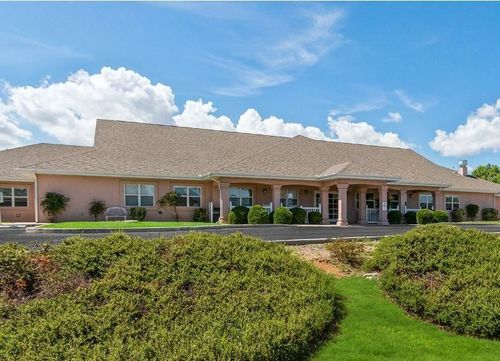
The 58-bed building sits in Prescott Valley more than a mile above sea level, where the cooler, drier air and open skies give a quieter backdrop than the Phoenix valley.
Services
Licensed nurses and nursing assistants provide skilled nursing around the clock, including medication administration, wound care, condition monitoring, and help with eating, bathing, and moving.
Resident Experience
Days follow nursing routines for meals, medications, therapy, and rest, with staff bringing meals to the room when a resident is too tired to come to the dining area.
Rates and availability current as of 2026. Contact Michelle Kiel for the latest figures.

Michelle Kiel
Owner/Certified Senior Advisor, Arizona
Advisor Insight on
Good Samaritan Society-Prescott Valley
Prescott Valley families usually come to skilled nursing after a hospital stay or a rise in medical needs, and the useful question is how consistently the same nurses and aides work each unit.
Amenities & Services
Compare Good Samaritan Society-Prescott Valley with Nearby Communities
Use this comparison to evaluate pricing, care availability, and key differences between similar communities in Prescott Valley, AZ.
| Compared | Good Samaritan Society-Prescott ValleyPrescott Valley, AZ No Google rating yet | The Landings of Prescott ValleyPrescott Valley, AZ· 0.1 mi 4.4 (42) | Scotts HarborPrescott Valley, AZ· 0.3 mi No Google rating yet |
|---|---|---|---|
Starting price | — | $3500/mo | $3600/mo |
Care types | Skilled Nursing | Assisted Living, Memory Care | Assisted Living |
Total beds | 58 | 125 | 10 |
Medicaid | Not accepted | Not accepted | Not accepted |
Pet friendly | No | No | No |
Housing type | Community | Community | Residential |
| View this community | View this community |
Good Samaritan Society-Prescott Valley
Prescott Valley, AZ
- Care types
- Skilled Nursing
- Total beds
- 58
- Medicaid
- Not accepted
- Pet friendly
- No
- Housing type
- Community
The Landings of Prescott Valley
Prescott Valley, AZ· 0.1 mi
- Starting price
- $3500/mo
- Care types
- Assisted Living, Memory Care
- Total beds
- 125
- Medicaid
- Not accepted
- Pet friendly
- No
- Housing type
- Community
Scotts Harbor
Prescott Valley, AZ· 0.3 mi
- Starting price
- $3600/mo
- Care types
- Assisted Living
- Total beds
- 10
- Medicaid
- Not accepted
- Pet friendly
- No
- Housing type
- Residential
Location
3380 N Windsong Dr, Prescott Valley, AZ 86314
Get DirectionsNearby Essentials
- Hospital:Prescott Valley is part of the Quad Cities area of central Arizona, where regional hospitals and specialist offices are reachable by a short drive on the main highways.
- Dining:Casual restaurants and coffee spots are found along the main roads of Prescott Valley, an easy outing for visiting relatives.
- Shopping:Grocery stores, pharmacies, and large retail centers sit within a short drive in Prescott Valley, so families can pick up supplies on the way.
A high-country setting more than a mile above sea level in Prescott Valley, with open skies and cooler, drier air than the desert to the south.
Nearby Communities
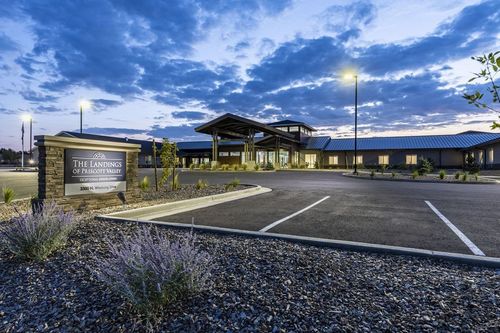
The Landings of Prescott Valley
Prescott Valley, AZ
Starting at $3500/mo
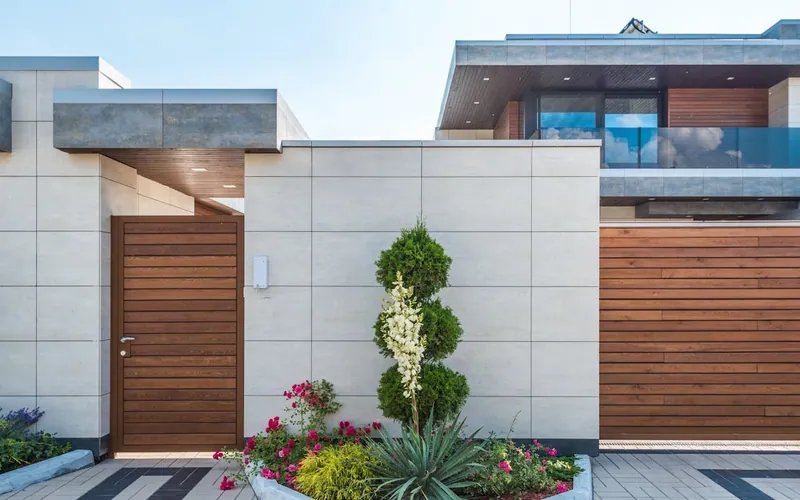
Scotts Harbor
Prescott Valley, AZ
Starting at $3600/mo
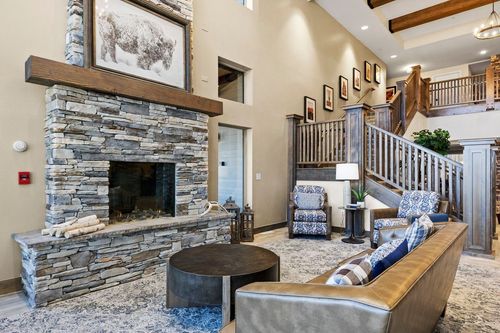
Ativo Senior Living of Prescott Valley
Prescott Valley, AZ
Starting at $3500/mo

Frequently Asked Questions
What kind of care does Good Samaritan Society-Prescott Valley provide?
The community provides skilled nursing, with licensed nurses and nursing assistants on duty around the clock to handle medications, wound care, monitoring, and help with daily activities such as eating and bathing.
How many beds are in the community?
There are 58 beds in total, a size large enough to keep a full nursing team on every shift while still letting staff on each hallway learn the people they care for.
How is the cost of skilled nursing determined here?
Cost depends mainly on the level of nursing care a resident requires, and a local advisor can explain how those levels work and share current rates when a family is ready to compare.
Is Medicaid accepted at this community?
Medicaid is not accepted at this community, so costs are covered by other means, and families who have questions about payment can talk it through with a local advisor before a visit.
Are pets allowed in the building?
Pets are not allowed in the building, a policy common in nursing communities because of health needs and shared spaces, though relatives can still visit and talk with staff about other ways to stay connected.
Does the community offer short respite stays?
Respite stays are not offered, since admission here is intended for people who need skilled nursing care on an ongoing basis, whether for long-term care or for extended recovery.
Does the community help people recover after a hospital stay?
Rehabilitation support is part of skilled nursing, with therapists and nurses working together so that exercise and mobility practice are balanced with rest as a resident regains strength.
What is the setting like in Prescott Valley?
The community sits more than a mile above sea level in central Arizona, so the air is cooler and drier than the Phoenix valley, and residents enjoy open skies and a quieter surrounding area.
How does a family begin the move-in process?
The first step is usually a conversation with a local advisor, who can arrange a tour, confirm current availability among the 58 beds, and explain what documents and nursing needs are reviewed before admission.
Free tools
Still researching?
Two free tools built for families like yours.
What level of care does your loved one need?
A 10-question quiz tailored by senior-living advisors. Get a personalized care-level recommendation, a monthly budget for your zip code, and a shortlist of matching communities near you — instantly.
Take the AssessmentHow much does senior care cost?
Compare assisted living, memory care, independent living, nursing homes, and in-home care — calibrated to your zip code. See what's included, how it's paid, and what 10–20 years of care will cost.
Compare Costs