
A 10-bed assisted living house in Peoria where mornings, meals, and evenings run at the pace of a small household.
- Direct answers
- Small house
- Assisted living
- Calm neighborhood
Why Families Choose Sunrise Adult Care Home 3
- 10-bed residential house in a Peoria neighborhood, not a multi-floor building
- Unhurried mornings with help for bathing, dressing, and getting to breakfast
- Dinner for the whole group at one table, with portions adjusted to each person
- Relatives can speak with the caregiver who helped that very morning
- Assisted living support with medications given at the right times
About Sunrise Adult Care Home 3
Sunrise Adult Care Home 3 is a small residential house in Peoria that provides assisted living with 10 beds of assisted living under an ordinary residential roof. Residents here live among a few neighbors and a handful of caregivers, which gives each day a human scale that larger buildings with long corridors and several floors find hard to match. Mornings set the tone in a house this size. Caregivers help residents wake, wash, dress, and make their way to breakfast, and because the group is small, nobody is rushed along a schedule built for dozens.
Someone who needs extra time with buttons or balance gets it, and someone who wakes early and wants coffee first can usually have it, with the whole house gradually gathering at the table. Assisted living support covers the tasks that older adults most often need a hand with, including bathing, dressing, moving safely around the house, and taking medications at the right times. The emphasis falls on steadiness, with the same people appearing each day and learning what a good morning or a tired afternoon looks like for each resident, so that adjustments can be made quietly and early.
Peoria sits in the northwest part of the Phoenix area, with a mix of established neighborhoods and newer subdivisions, and a house like this fits comfortably into that residential fabric. The surroundings are calm, the streets are ordinary, and a family driving up for a visit finds a place that looks like the neighborhoods many of them grew up in rather than an institution with a large sign and a parking lot.
The desert climate shapes the calendar of the house, with spring and fall bringing the most pleasant days for a short sit outdoors, summer pushes activity indoors for much of the day, and winter offers mild afternoons suited to a walk to the end of the block with a caregiver. Throughout the year, the house itself is the center of life, with a living area for television, cards, and conversation. Evenings carry their own quiet routine once dinner is finished.
Dishes are cleared, the television goes on in the living area for those who want it, and caregivers help each person prepare for bed at a pace that suits them, without the clatter of a large building around them. Residents who like to turn in early can do so, and those who enjoy an extra hour of conversation are not hurried along. Dinner is where the small scale tends to show most clearly. A group of 10 can sit down together, talk about the day, and take as long as they like, and caregivers who know who prefers a softer texture or smaller portions can adjust a plate without any fuss.
Relatives who join for a meal often leave with a clearer picture of their parent's spirits than a long phone call could provide. For families, the practical benefit of a small house is access to the people who provide care. A relative can ask the caregiver who helped that morning how things went and get a direct answer, instead of being passed along a chain of departments. That directness makes it easier to share updates about health, mood, or medications, and to ask for adjustments before small concerns grow.
Settling in tends to go well in a house where the faces stay the same. A new resident learns four or five names rather than forty, caregivers learn the order of a morning routine within days, and relatives soon know whom to ask about what. That steadiness helps an anxious first week turn into an ordinary one, which is often the real measure of a good move. Anyone considering Sunrise Adult Care Home 3 can start by describing their loved one's needs and then arranging a visit to see the house in person.
Walking through the rooms, meeting the caregivers, and sitting for a few minutes in the living area will say more than any description, and a local advisor can set up the visit and suggest questions that fit your family's situation.
Environment
An ordinary residential house in a Peoria neighborhood, with a living area for television and cards, a dining table for the whole group, and bedrooms close to the shared rooms.
Services
Assisted living support covers bathing, dressing, safe movement around the house, and medications at the right times, given by the same few caregivers who see each resident daily.
Resident Experience
Mornings are unhurried with coffee and breakfast at the table, afternoons settle into cards or television, and dinner brings all 10 neighbors together to talk through the day.
Rates and availability current as of 2026. Contact Michelle Kiel for the latest figures.

Michelle Kiel
Owner/Certified Senior Advisor, Arizona
Advisor Insight on
Sunrise Adult Care Home 3
Peoria families comparing a small house with a large building should ask who answers the phone about a parent's day, since direct access to the caregiver is the real advantage of this scale.
Amenities & Services
Compare Sunrise Adult Care Home 3 with Nearby Communities
Use this comparison to evaluate pricing, care availability, and key differences between similar communities in Peoria, AZ.
| Compared | Sunrise Adult Care Home 3Peoria, AZ 5.0 (20) | AZ Happy Valley Royal Care HomePeoria, AZ· 0.3 mi No Google rating yet | White Dove at Silver CrestPeoria, AZ· 0.3 mi No Google rating yet |
|---|---|---|---|
Starting price | $3700/mo | $3700/mo | $3700/mo |
Care types | Assisted Living | Assisted Living | Assisted Living |
Total beds | 10 | 10 | 10 |
Medicaid | Not accepted | Not accepted | Not accepted |
Pet friendly | No | No | No |
Housing type | Residential | Residential | Residential |
| View this community | View this community |
Sunrise Adult Care Home 3
Peoria, AZ
- Starting price
- $3700/mo
- Care types
- Assisted Living
- Total beds
- 10
- Medicaid
- Not accepted
- Pet friendly
- No
- Housing type
- Residential
AZ Happy Valley Royal Care Home
Peoria, AZ· 0.3 mi
- Starting price
- $3700/mo
- Care types
- Assisted Living
- Total beds
- 10
- Medicaid
- Not accepted
- Pet friendly
- No
- Housing type
- Residential
White Dove at Silver Crest
Peoria, AZ· 0.3 mi
- Starting price
- $3700/mo
- Care types
- Assisted Living
- Total beds
- 10
- Medicaid
- Not accepted
- Pet friendly
- No
- Housing type
- Residential
Location
8216 W Villa Lindo Dr, Peoria, AZ 85383
Get DirectionsNearby Essentials
- Hospital:Peoria and the surrounding Northwest Valley have hospitals and medical clinics reachable by car along the main roads, with larger Phoenix-area medical centers a longer drive away.
- Dining:Casual restaurants and family-style cafes serve the Peoria area, so a lunch out with visiting relatives is easy to arrange on a weekend.
- Shopping:Grocery stores, pharmacies, and shopping centers are spread along Peoria's main streets, which keeps errands and household supplies a short drive from the house.
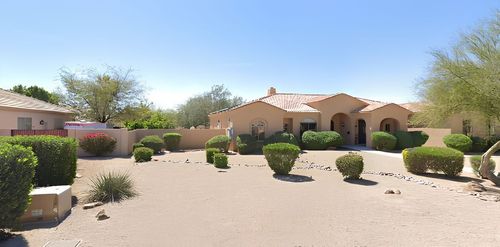
A residential Peoria neighborhood in the northwest part of the Phoenix area, with ordinary streets and a calm, suburban feel.
Nearby Communities





Frequently Asked Questions
What does Sunrise Adult Care Home 3 cost each month?
Monthly cost depends on how much help a resident needs with daily activities and on the room arrangement, and the community shares a personalized figure once it knows your family member's situation. A local advisor can collect those details and compare options among small assisted living communities in the Peoria area.
What care does Sunrise Adult Care Home 3 provide?
The community provides assisted living, with help for bathing, dressing, moving safely around the house, and taking medications at the right times. Because the house holds 10 beds, a small team of caregivers sees each resident daily and can adjust support quietly as needs change.
How many people live there?
The community has 10 beds in a residential house, so residents, caregivers, and relatives all come to know one another quickly. Meals around a single table and a shared living area give the household a natural rhythm without the distances of a larger building.
Is Medicaid accepted?
Payment arrangements can change, so confirm directly whether Medicaid is accepted before planning a visit or a move. A local advisor can ask for you and explain other ways families commonly pay for assisted living, including long-term care insurance, veterans benefits, and private funds.
Are pets welcome?
Pet policies in small residential houses vary and may change, so confirm the current rule before planning a move. If a pet is important to your family member, a local advisor can ask about visiting animals and discuss ways to preserve that companionship.
Can someone stay for a short period?
Short-term respite arrangements differ among communities, so confirm whether a temporary stay is possible for the dates you need. A local advisor can check for you and explain how a short stay typically works for the resident and for the family.
What should I expect when moving in?
Moving in typically begins with a conversation about your family member's health, habits, and preferences, followed by a visit to the house and a look at the available room. A local advisor can arrange the visit, help gather medical information, and prepare a list of questions.
How do mornings work in the house?
Caregivers help residents wake, wash, dress, and get to breakfast at a pace that suits each person, so someone who needs extra time is not rushed along a schedule built for a crowd. Coffee and breakfast at the table gradually bring the house together.
How can families stay informed?
Because the house is small, relatives can usually speak directly with the caregiver who helped that morning and ask how the day is going. That directness makes it easier to share updates about health, mood, or medications and to request adjustments before small concerns grow.
Free tools
Still researching?
Two free tools built for families like yours.
What level of care does your loved one need?
A 10-question quiz tailored by senior-living advisors. Get a personalized care-level recommendation, a monthly budget for your zip code, and a shortlist of matching communities near you — instantly.
Take the AssessmentHow much does senior care cost?
Compare assisted living, memory care, independent living, nursing homes, and in-home care — calibrated to your zip code. See what's included, how it's paid, and what 10–20 years of care will cost.
Compare Costs