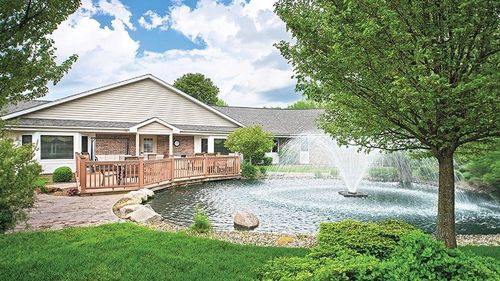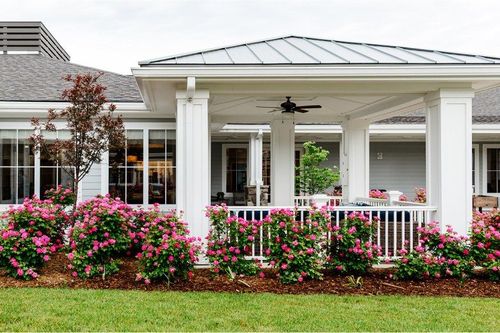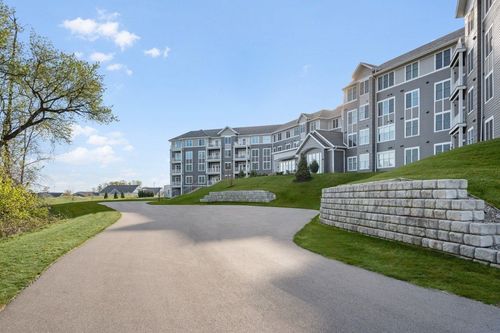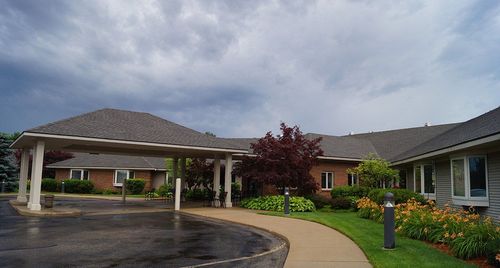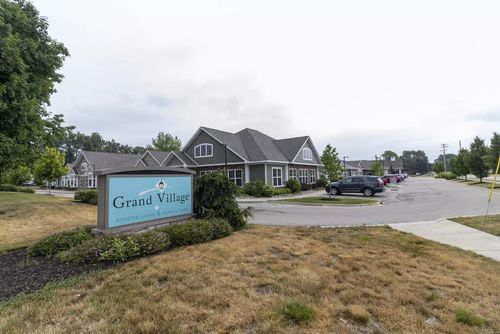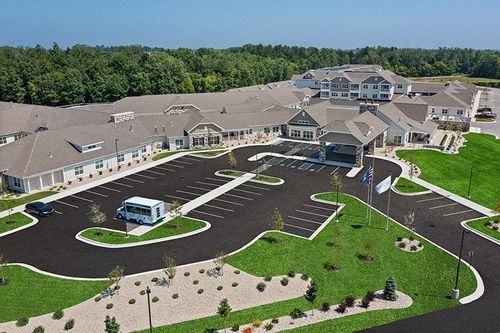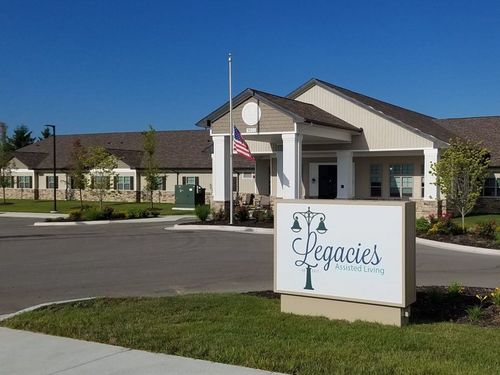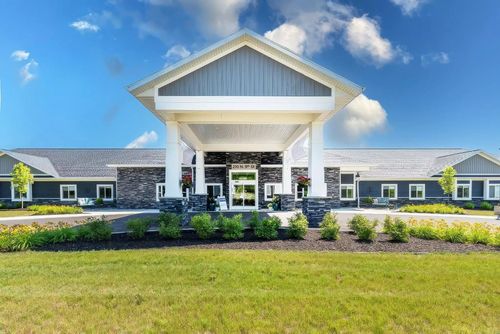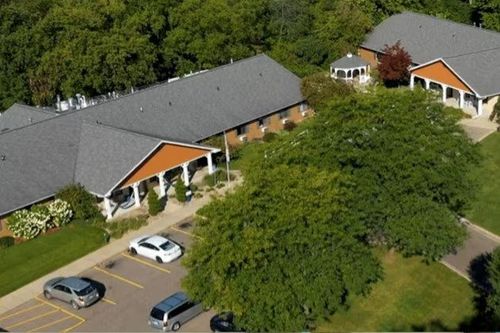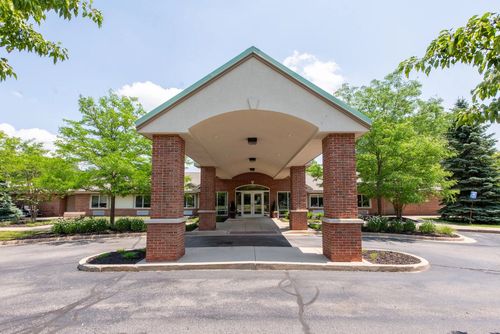

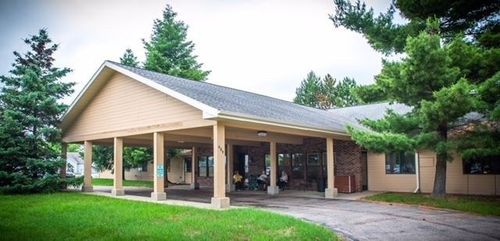
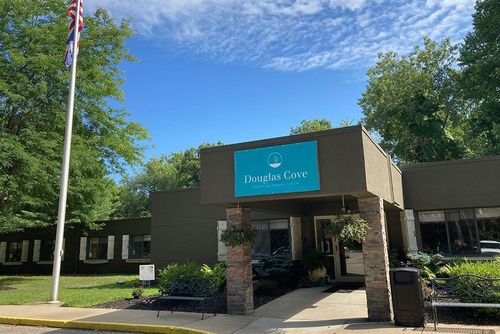

Allegan County spans wide rural townships and lakeshore settlements where agricultural fields meet small industrial pockets, shaping a quiet regional footprint for older adults. Families navigating assisted living here encounter a handful of licensed residential properties ranging from smaller intimate homes of 20 beds up to larger regional communities housing 80 residents. Local choices remain concise, anchored by established regional providers embedded right inside the county rather than corporate hubs elsewhere.
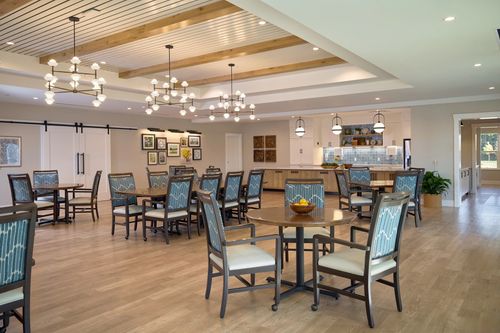
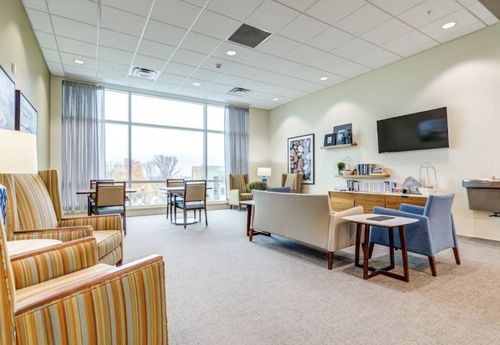
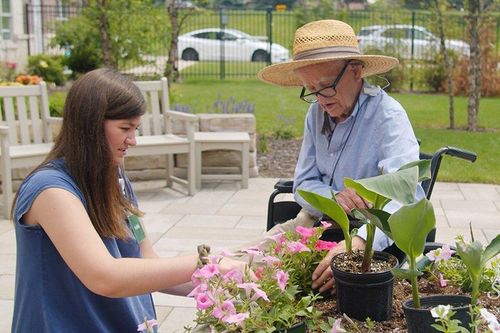
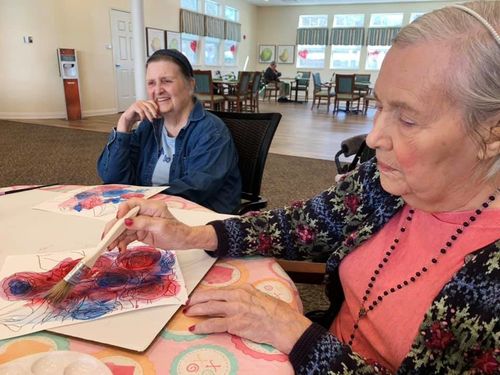
Daily routines in these local residences blend personal care assistance with predictable household rhythms. Staff members help residents with morning dressing, medication management, and mobility support across comfortable common spaces and private suites. Meals are served communally in dining rooms, providing daily social touchpoints, while scheduled activities give residents structured options to pass the afternoon hours without feeling rushed or overwhelmed.
Monthly costs for local residential care reflect regional economic realities in West Michigan. Rates begin around $3,400 per month at properties like Maplewood of Sandy Creek for base accommodation and support, scaling up to $5,280 per month at locations like Golden Orchards I and Green Acres of Wayland depending on the specific tier of personal assistance required. Families budget carefully against these figures, knowing that supplemental care tasks can adjust the final monthly invoice.
Local Demand Shapes the Rural Senior Landscape
Regional interest in assisted living stays steady as long-time area residents look for manageable environments close to their adult children. Adult children often commute across US-131 or M-89 to visit aging parents, creating localized demand for residential options that keep relatives near hometown roots. This steady regional pull means available spots in local homes fill up thoughtfully rather than instantly.
At the same time, specialized care options remain measured within this rural geography. Only a few local sites accommodate specialized state funding pathways, meaning financial planning requires early attention. Pets find a home in just one local residence, making preliminary phone calls essential for pet owners.
Why Families Choose Local Care Settings
Families prioritize these regional homes to keep older relatives surrounded by familiar landscapes and neighboring communities. Living close to local medical clinics in Allegan or Wayland simplifies routine doctor visits and emergency responses. Relatives appreciate the straightforward atmosphere of rural Michigan properties where staff members recognize local family names.
Transitioning an older adult out of a long-held family home also relieves the constant physical strain of maintaining older rural properties. Instead of managing snowy rural driveways or isolated farmhouses, residents gain reliable meal preparation and built-in company. This shift allows family relationships to focus on visits rather than household chores.
Navigating Transitions and Finding the Right Fit
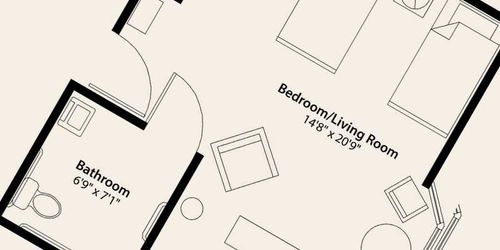
When evaluating regional options, local advisors help families interpret medical discharge notices and time Medicaid applications before funds deplete. Understanding how a specific facility handles rising care needs prevents stressful mid-tier moves later on. Advisors look closely at staff ratios and physical building layouts to match individual mobility levels with the right environment.
Every family situation carries unique financial and medical constraints that benefit from an experienced local perspective. When you are ready to explore which local setting aligns with your parent's daily needs, reach out to talk it through.
Our directory for Allegan County continues to grow as we evaluate providers for quality and alignment in 2026. Reach out for a conversation about assisted living in Allegan County, or look through the communities we have vetted at your own pace.