
Allegan County contains a small number of dedicated memory care environments spread across its towns and rural stretches. Families navigating a progressive cognitive decline find that local options balance rural quiet with structured security perimeter designs. Understanding these local choices means looking closely at how specific sites handle wandering prevention and cognitive engagement for residents.
Daily Routines and Specialized Support
Care models in this area focus on predictable daily schedules that reduce confusion for individuals with Alzheimer's disease or other forms of dementia. Staff members assist with medication management, mobility support, and personal hygiene while encouraging participation in familiar tasks.
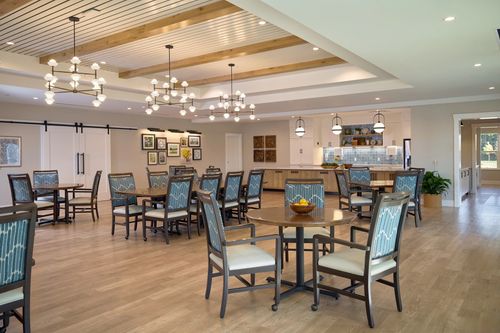
Structured activities throughout the day incorporate music, tactile crafts, and gentle physical movement designed to maintain remaining functional abilities. Meals occur in familiar, scaled dining areas where staff can provide subtle assistance and monitor nutritional intake without rushing the residents.
Understanding Local Financial Realities
Monthly costs for memory care in this region reflect the specialized staffing ratios and secure physical infrastructure required for safety. Families evaluating financial options will find that monthly rates typically span from $4,500 to $5,280 depending on the specific location and floor plan chosen.
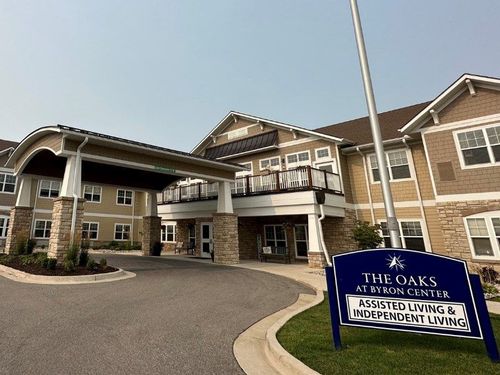
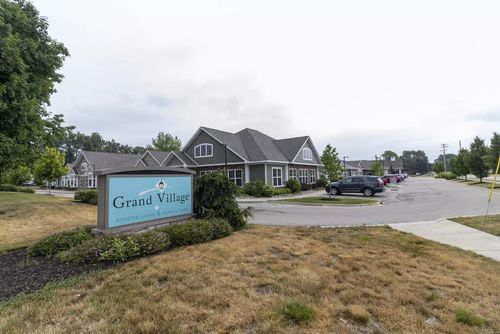
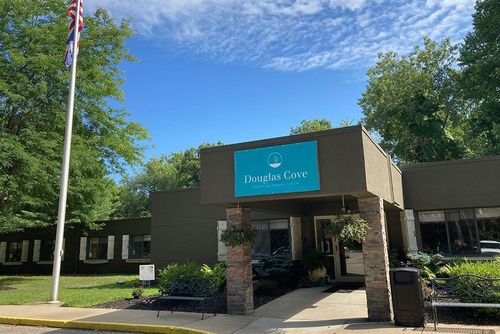
For instance, The Orchards at Douglas Cove Village lists monthly fees starting at $4,500, while Golden Orchards I and Green Acres of Wayland begin at $5,280 per month. Briarwood Assisted Living also operates within the regional network, contributing to the available capacity options that range locally from 20 up to 80 beds per site.
Local Aging Demographics and Needs
An increasing number of older adults in Allegan County require cognitive support as regional demographics continue to shift. Rural families often find that local facilities prevent the need to relocate loved ones to distant metropolitan centers like Grand Rapids or Kalamazoo.
Proximity to familiar landscapes and local healthcare networks helps maintain a sense of place for residents who respond well to regional familiarity. This localized demand keeps regional facilities attuned to community preferences and family expectations.
Why Families Choose This Region
Choosing a memory care setting close to home allows adult children and spouses to maintain regular visiting schedules without enduring long transit times. Familiarity with local medical providers and regional hospital networks further simplifies coordinated healthcare management for aging adults.
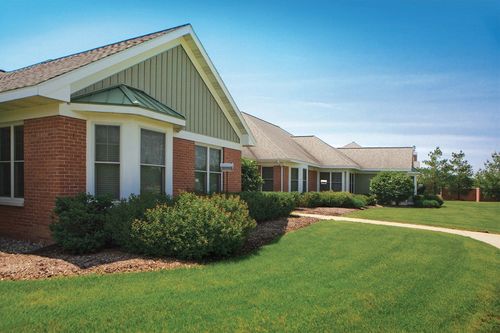
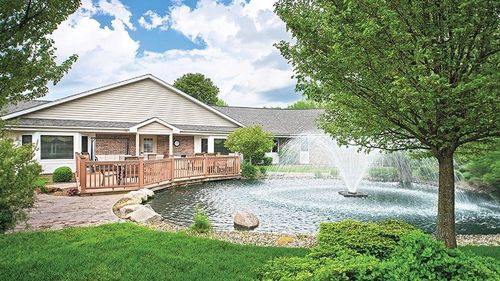
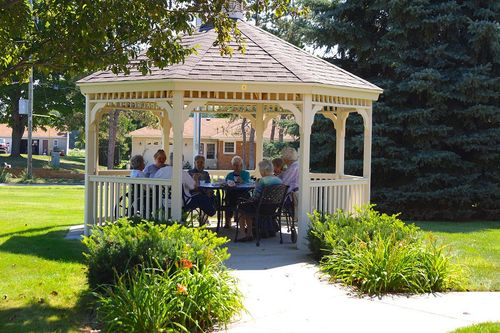
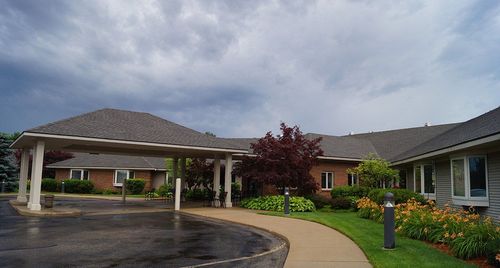
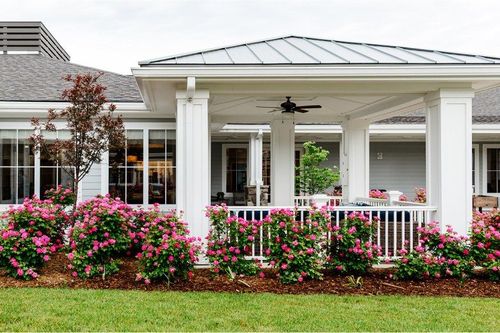
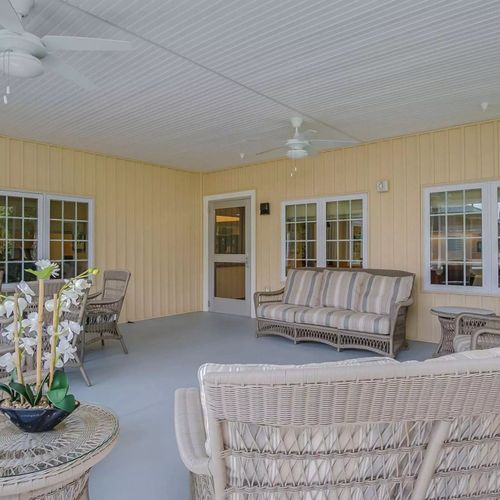
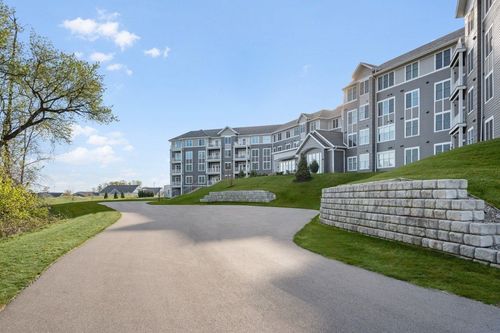
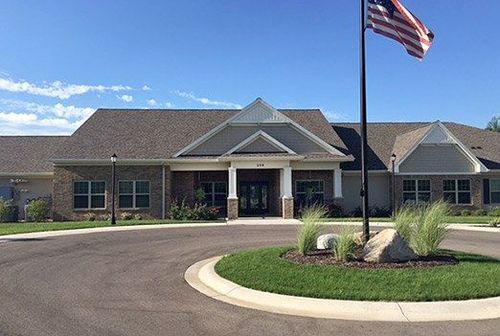
Furthermore, the physical layout of these regional buildings offers secured courtyards and enclosed walking paths that allow safe outdoor access. Families appreciate environments where interior wandering risks are mitigated by intentional architectural design rather than restrictive confinement.
Navigating Local Placement Decisions
When evaluating regional memory care options, families frequently weigh facility scale against the desire for a homelike atmosphere. Understanding how prospective locations handle complex transitions, discharge triggers, and eventual Medicaid eligibility timelines requires careful, proactive preparation.
Navigating these systemic timing details alongside specific building layouts can feel overwhelming during an already emotional transition. If you are weighing these choices for someone you care about, reach out to talk it through and gain clarity on your next steps.
The Allegan County directory continues to grow as we evaluate providers for quality and alignment in 2026. Start the conversation about memory care in Allegan County, or scan the buildings we cover at your own pace.