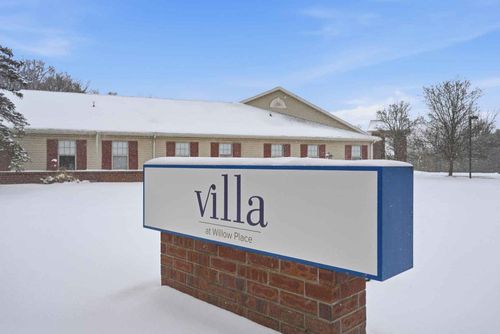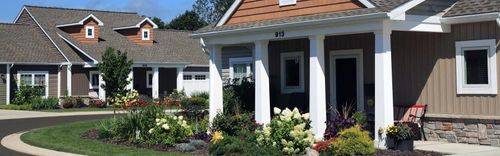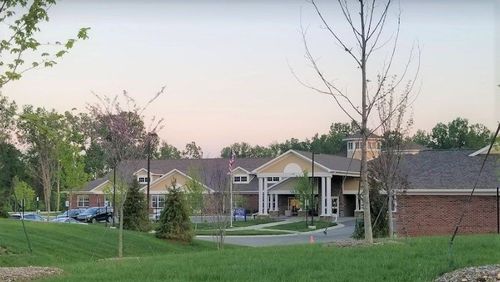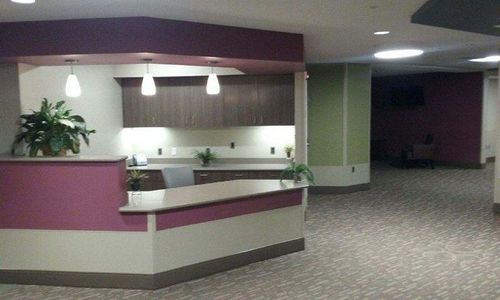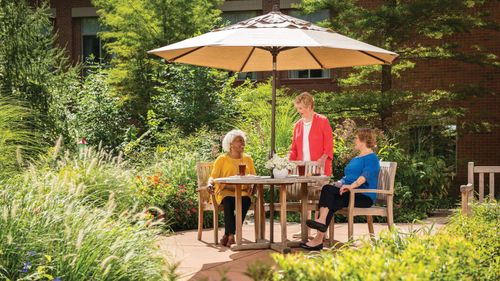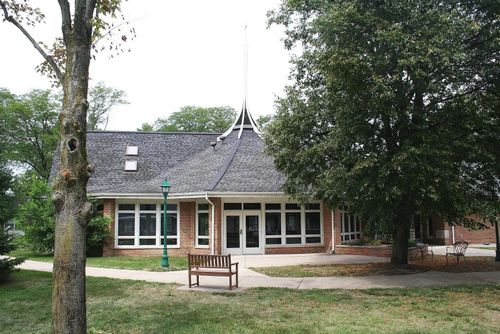

Ann Arbor performs operations on people who do not live in Ann Arbor. Patients travel here from across Michigan and beyond for procedures they cannot get closer to home, and a proportion of them are not well enough to travel back afterwards. Glacier Hills Senior Living Community, a not-for-profit campus with a dedicated short-term rehabilitation centre alongside its long-term and memory care neighbourhoods, is where some of that recovery happens.
That produces a question local skilled nursing pages elsewhere never have to answer: whether to rehabilitate near the surgeon or near the family.
Recovering Where the Surgery Was, or Where Home Is
There are real arguments on the surgical side, since a complicated reconstruction, a transplant, a spinal procedure or anything with a meaningful risk of a complication is safer within reach of the team that performed it, because a problem at week two is assessed by people who know exactly what was done. Where a surgeon has asked for close follow-up, staying is usually right.
The argument on the other side is attendance, because rehabilitation depends heavily on effort, and effort holds up better when somebody familiar is in the room several times a week. A patient two hours from their family in a strange town frequently does less well than the same patient in a plainer facility down the road from a daughter. The honest way to decide is to ask the surgical team a direct question: does this recovery need proximity to us, or only competent therapy and nursing.
The Two Stays and the Two Funding Rules
Two different stays happen under the same licence and they are funded on unrelated bases. Rehabilitation qualifies for Medicare where a patient has spent three inpatient nights in hospital first, and the benefit runs to a ceiling of a hundred days, free of charge to begin with and carrying a daily contribution later. Crucially it is progress that keeps it open: once therapy stops producing improvement, the benefit closes regardless of the calendar.
Stay on afterwards as a long-term resident and Medicare contributes nothing whatever. That bill is met from private funds or, where a household qualifies, by ordinary Michigan Medicaid, a different application from the waiver that reaches assisted living. On a continuing-care campus there is a further wrinkle worth asking about early: whether a resident who arrives for rehabilitation can move into another level on the same site, and on what terms.
Demand From Well Beyond the County
Washtenaw County reads young, with roughly one resident in six past sixty-five, and that figure badly understates the pressure on post-acute beds here, because the hospitals draw patients from a catchment many times the county's size. Beds move quickly and the one offered on a Thursday is often the only one offered.
For a local family that has a straightforward implication. Being ready to answer, with the funding question already understood, is what converts an offered bed into a good decision rather than a rushed one.
What a Local Advisor Brings to an Ann Arbor Discharge
Two things carry the weight: whether a bed is genuinely available on the date it is needed, and whether this stay is being treated as rehabilitation with an end point or as the beginning of something permanent, because those have different consequences and different costs.
For families who came here for surgery and live elsewhere, an advisor can also lay out honestly what recovering at a distance from home will mean in practice. Reach out as soon as rehabilitation is mentioned, while both options are still genuinely open.
Our directory for Ann Arbor continues to grow as we evaluate providers for quality and alignment in 2026. Start the conversation about skilled nursing in Ann Arbor, or look through the buildings we cover at your own pace.