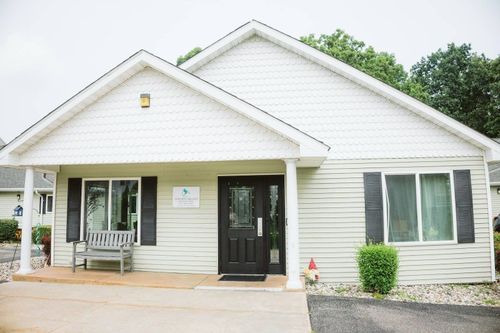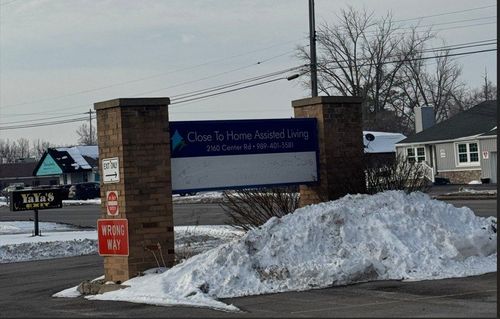

The three letters at the end of Bay Valley AFC are not decoration. Michigan licenses its small care homes as adult foster care homes, a category the state regulates separately from the larger buildings it licenses as homes for the aged, and a Bay City family reading listings will meet that term long before anyone says the words assisted living. Behind it sits something simpler than the paperwork suggests: an ordinary house on an ordinary street, a small group of residents rather than a corridor of apartments, and caregivers who cook, clean and help with dressing in the same rooms where everyone eats. Close To Home Assisted Living Riegel I is that kind of address, and so is Bay Valley AFC.
What Living in One of These Houses Looks Like
The care in these houses is custodial rather than clinical, which in practice means help with bathing, dressing, grooming and getting around, prompting or hands-on support with medications, three meals cooked in the kitchen down the hall, laundry and housekeeping, and supervision through the night. What a Bay City house does not have is an on-site nurse around the clock or the equipment a nursing floor carries, which is the boundary that decides when someone has outgrown the setting.
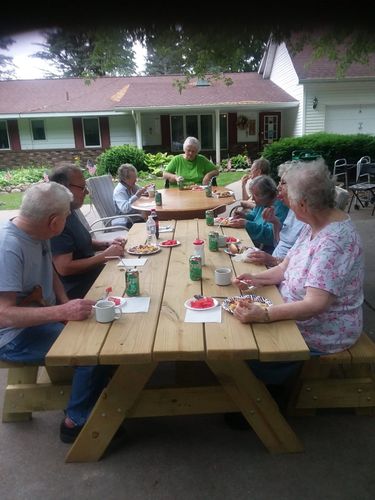
The daily texture is the thing families come for. A handful of residents means the same caregivers on shift week after week rather than a rotating cast, meals at one table instead of a dining room seating dozens, and a noise level closer to a household than an institution. That suits a resident who would be lost in a large building. It is genuinely a preference rather than an upgrade, though, and a larger Bay City community offers a fuller activity calendar, more people to sit with and deeper staffing on site, which for a sociable resident is the better fit by a wide margin.
Reading the Bay City Price Spread
Monthly rates across the city's licensed homes run from $3,050 at Close To Home Assisted Living Riegel I up to $4,642 at Bay Valley AFC. A gap that wide across houses of similar size is almost never about the building. It reflects how much hands-on help a resident needs, whether the room is private or shared, and whether the home is approved to serve someone whose dementia has advanced.
Paying for it is mostly private, and the Michigan wrinkle is worth knowing. A resident who qualifies for the state's MI Choice waiver can have the care services in a licensed home covered, but never the room and board portion, which stays with the resident's own income. Michigan also pays a state supplement on top of federal disability income for people living in licensed adult foster care homes and homes for the aged, which is one reason small Bay City houses can serve residents with modest means where a larger building often cannot.
Sorting the Bay City Houses
Start with what the license allows rather than what the tour shows. Michigan writes its adult foster care approvals in tiers by how many adults a home may serve and by the kinds of need it may accept, so two houses on similar streets can differ sharply on whether they can keep a resident as dementia progresses. Asking that question first spares a family a second move eighteen months later.
After that, the practical differences are small but decisive: whether a private room is available now or only a shared one, how many caregivers are awake overnight, whether the house can manage a wheelchair through its doorways and bathrooms, and how it handles a resident who is up at three in the morning. Proximity matters too, since a house on the far side of Bay City is a different daily visit from one a few blocks from where a family already lives.
What a Bay County Advisor Brings
Small houses are the hardest part of the market to research from a screen. They rarely run marketing, openings are not posted anywhere, and a home with one bed free this month may have none next month, so what looks like a short list online is often out of date before a family finishes reading it.
An advisor working Bay County keeps that picture current and matches it against the specific need: the license tier, the private-room question, and whether a house can handle the level of help a particular resident already requires. That is a lot to sort by phone from a list of addresses, and it is usually quicker to talk it through first.
We keep expanding our Bay City coverage as we evaluate providers for quality and alignment in 2026. Start the conversation about residential care homes in Bay City, or look through the buildings we cover at your own pace.