Big Rapids, MI

Pet-Friendly Senior Living in Big Rapids

One pet-friendly community in Big Rapids, MI — with free, unbiased guidance from local advisors.

1
Community
1
Pet Friendly
$3,800
Avg. Monthly Pricing

Explore Pet-Friendly Senior Living in Big Rapids

One pet-friendly community to review, with free guidance from a local advisor.

View all communities in Big Rapids

What to Expect From Pet-Friendly Senior Living in Big Rapids

  • Pets welcome: All 1 community welcomes pets.
  • Setting mix: 1 residential in the matching set.
  • Price range: From $3,800/mo across the matching set.

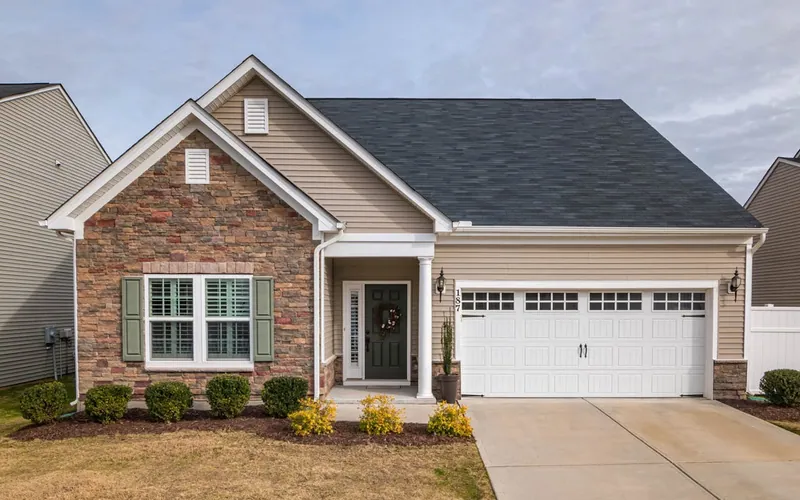
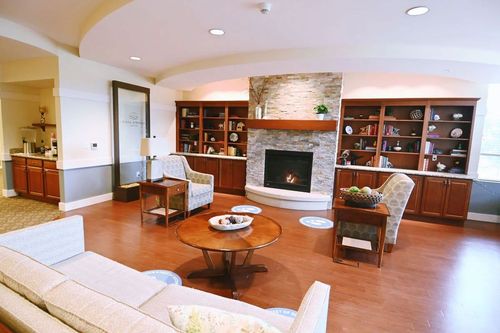
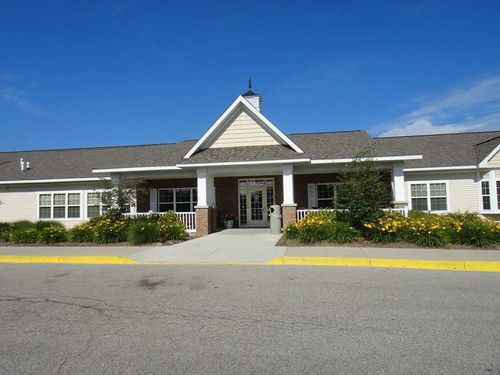
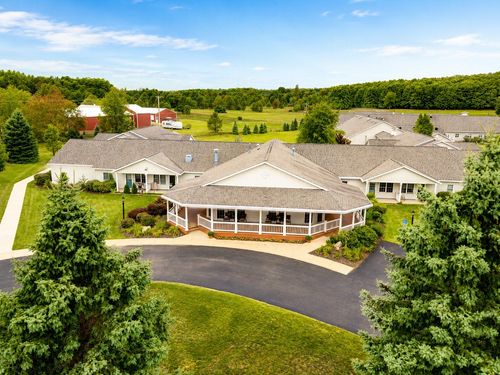
Bringing a pet into senior living in Big Rapids means bringing it into a house rather than an apartment. Evergreen Terrace Assisted Living on Fuller Avenue is the local address that accepts animals, and since that address is a licensed house rather than a block of separate units, a resident's dog or cat does not live behind a door of its own. It becomes part of a shared household, greeted or tolerated or fussed over by everybody else who lives there.

That changes what the decision rests on, because in an apartment building a pet is largely a private matter between a resident and a lease. In a house, an animal is a household member by default, which is wonderful for a resident who has never lived without one and genuinely worth thinking through for everyone else under the same roof.

An Animal in a Shared House

The questions a small home asks are different in kind from a large building's checklist. Temperament matters more than weight, because the dog will be around other residents all day rather than passing them in a corridor. Someone in the house may have a fear of dogs or an allergy, and a home with a handful of bedrooms cannot solve that with distance the way a hundred-unit building can.

Set against that, the arrangement often works better for the animal than an apartment does. There is company through the day rather than eight hours alone, a yard rather than an elevator ride, and staff who are in the same rooms and notice when a water bowl is empty. Michigan requires a county dog licence kept current with a rabies certificate, and a small home will want vaccination records before the animal arrives.

What the Animal Adds to a $3,800 Rate

The published starting figure for Evergreen Terrace is $3,800 a month, and in a house that number usually behaves as one all-inclusive rate rather than a base rent plus assessed care. The pet does not change the care assessment, which is driven by how much daily help a resident needs and nothing else.

Where the animal appears is alongside it: a one-time deposit at move-in, refundable in some homes and not in others, and often a small monthly amount. Both are worth confirming in writing rather than agreeing verbally, since a house tends to run on informal understanding in a way a corporate community does not. Where the animal is a service animal or a documented assistance animal, neither charge is permitted, because fair housing rules put those in a different category from pets.

What to Settle Before the Move-In Date

Three things decide whether this works, and none of them appears in a brochure. Who walks the dog on the days a resident cannot, and whether that is family, a hired hand or an understanding with staff. Who takes the animal during a hospital stay, which needs a named person rather than a hopeful assumption. And what happens as memory loss progresses, since the home carries memory care and a resident's ability to look after an animal changes before their attachment to it does.

Winter deserves a question of its own in this part of the state. Big Rapids sits far enough north that snow shapes several months of the year, so ask what the path from the door looks like in January and who clears it, because a dog still needs to go out when a resident cannot manage the ice.

Settling the Animal Before the Apartment

With one address, the useful work is not comparing options but getting a straight answer about a particular animal, and small homes decide that case by case rather than by policy. A home that has just taken in a nervous resident may say no this month and yes in three, and none of that is published anywhere.

Someone covering Mecosta County can ask that question directly, along with what help with walking and feeding is realistically available. If the cat or the dog is the reason a move keeps getting postponed, reach out and settle the animal question first, because everything else follows more easily once it is answered.

Our directory for Big Rapids continues to grow as we evaluate providers for quality and alignment in 2026. Reach out for a conversation about pet friendly in Big Rapids, or look through the communities we have vetted at your own pace.

Advisor Insight on
Pet-Friendly in Big Rapids

Big Rapids offers its pet-friendly senior living inside a small licensed house, so temperament counts for more than weight: the animal shares living space with every resident all day, and an allergy or a fear of dogs cannot be solved with distance. Whether the answer is yes can shift with who else lives there that month.

Pet-Friendly Senior Living Near Big Rapids

Pet-Friendly communities within 50 miles of Big Rapids.

Frequently Asked Questions About Pet-Friendly Senior Living in Big Rapids

Can a resident bring a dog or cat to senior living in Big Rapids?

Yes, though the setting shapes what that yes involves. Evergreen Terrace Assisted Living on Fuller Avenue accepts a resident's animal, and since the setting is a licensed house instead of a block of apartments, the pet joins a shared household rather than living in a private unit. That makes the specific animal matter more than any general policy: a calm cat or an even-tempered dog raises few questions, while an anxious or territorial animal is a harder fit in close quarters. The home will want current vaccination records and a clear answer about who is responsible for feeding, walking and cleaning up after the pet.

Is there a weight limit for dogs at senior living in Big Rapids?

Small homes tend to weigh temperament more heavily than pounds, which is a real difference from an apartment community where a fixed weight cap is standard. A large, settled dog that ignores everyone may be easier in a shared house than a small, reactive one. That said, a house still needs staff able to manage the animal if a resident cannot, so size is part of the conversation rather than absent from it. The practical approach is to describe the actual dog honestly, breed, age, habits and how it behaves around strangers, and let the home answer on that basis.

What happens to the pet if a resident goes into hospital?

Someone outside the home needs to take the animal, and that person should be named before move-in rather than found in a hurry. Homes of this size may help informally with feeding or a short walk, but none can guarantee cover for an extended absence, and treating that as understood is how a placement comes undone. In Big Rapids that named person is often family in town or a neighbor the animal already knows. Put the arrangement in writing while everybody is well, and include a plan for what happens if the absence turns out to be permanent.

Can a resident keep a pet as dementia progresses?

It depends on the resident and on how the home is staffed, and it is worth asking early because the answer changes over time. Dementia care sits on this home's licence too, so a resident may be able to remain in the same house as memory loss advances. What shifts is the practical care of the animal: a person's attachment to a pet usually outlasts their ability to feed and walk it reliably. Homes handle that differently, some absorbing more of the daily care and some asking family to take it on, so establish the expectation in advance.

Does a service animal count as a pet in a Michigan care home?

No, and the difference is more than a matter of wording. A service dog is individually trained to carry out tasks for a person with a disability, while an assistance animal supports a disability-related need without that training; fair housing rules treat neither as a pet. In practice that means no pet deposit, no recurring pet charge, and no application of a home's usual conditions on size or breed. The resident is still accountable for the animal's care and for any damage. Federal guidance on assistance animals has been changing, so what a home may ask for by way of documentation is a matter for current law.

More Senior Living in Big Rapids

Get Help Finding Pet-Friendly Senior Living in Big Rapids

Our local advisors know every pet-friendly community in Big Rapids personally. Get free, unbiased recommendations tailored to your family's care needs, budget, and location preferences.

Free service · No obligation · We only recommend what's right for you