Bridgman, MI

Residential Senior Living in Bridgman

One residential community in Bridgman, MI — with free, unbiased guidance from local advisors.

1
Community
1
Residential
$4,200
Avg. Monthly Pricing

Explore Residential Senior Living in Bridgman

One residential community to review, with free guidance from a local advisor.

View all communities in Bridgman

What to Expect From Residential Senior Living in Bridgman

  • Match: All 1 community matches residential senior living in Bridgman.
  • Care types offered: assisted living.
  • Price range: From $4,200/mo across the matching set.

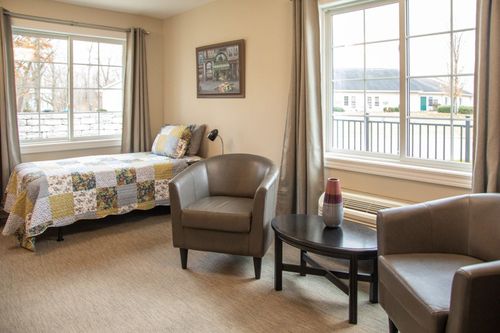
Bridgman Retirement Home carries a name that has largely gone out of fashion, and in Berrien County it describes something quite specific: an older, established house providing care at domestic scale rather than a purpose-built community with a marketing suite. Rooms at the house start at $4,200 a month. For families along this stretch of the Lake Michigan shore, where a good many older residents have lived in the same small towns for decades, the appeal is not novelty. It is that a resident moves somewhere recognisable, among people who share their references.

What an Established House Does Well

Longevity in a setting like this shows up in ways a tour does not obviously reveal. Staff who have worked somewhere for years know the residents rather than the rota, and they know the families too, which changes the texture of a difficult conversation when one arrives. The day runs domestically: cooking on the premises, laundry in the house, help with washing, dressing and medication delivered by somebody familiar with how a person prefers it.

The corresponding limits deserve the same candour as the strengths. Established houses are frequently older buildings, which can mean narrower corridors, fewer ground-floor rooms and less of the accessible design a newer community is built around. There is one main sitting room, a short list of arranged activity, and nobody clinical on the premises. A resident who is mobile and sociable, or who needs a building designed around a wheelchair, may be better served elsewhere in Berrien County, and that is worth saying plainly.

Reading the Rate

At $4,200 a month the figure behaves as one settled sum rather than a rent with charges quoted alongside: the room, the food, the laundry, the cleaning and the daily hands-on help are all within it, overnight cover included. Prescriptions, personal items and any visiting clinician are billed separately.

The question worth putting is what would move that figure, since in a household setting a rate tracks the amount of hands-on help a resident actually uses. Somebody arriving fairly independent and later needing two people for every transfer will not stay on the entry number, and a house should be able to say roughly by how much and at what point. Because these arrangements run for years, what a family should be working out is the number of years their resources will stand up to the rate, not what a single month costs.

Practical Questions Along the Shore

Two things matter more here than they would inland. The first is how far away the family lives. A great many Berrien County households have children living in Chicago or downstate rather than in the next town, so visits arrive in concentrated bursts at weekends rather than in small regular doses, and it is worth asking how a house handles a resident whose family cannot drop in on a Tuesday.

The second is the fabric of the building itself. Ask which rooms are on the ground floor, how a resident using a walker manages the layout, and what happens if mobility declines further. In an older house those answers vary considerably from room to room, and a room that works today may not work in two years.

What a Local Advisor Brings to Bridgman

Whether a room is free, which rooms suit a resident with limited mobility, how much decline this house has absorbed before and who is on duty overnight are things a listing does not carry.

An advisor covering Berrien County holds them, and can set this house honestly against the newer communities along the shore so that a family chooses on the merits rather than on the name above the door. Where that decision is being weighed, it is quicker to talk it through first.

Our directory for Bridgman continues to grow as we evaluate providers for quality and alignment in 2026. Reach out for a conversation about residential care homes in Bridgman, or browse the communities we have vetted at your own pace.

Advisor Insight on
Residential in Bridgman

Bridgman Retirement Home is an established house rather than a purpose-built community, which brings staff continuity alongside a building that may predate accessible design. Which rooms sit on the ground floor, and how they work for a resident using a walker, varies considerably from room to room.

Residential Senior Living Near Bridgman

Residential communities within 50 miles of Bridgman.

Frequently Asked Questions About Residential Senior Living in Bridgman

What does the name retirement home mean in Michigan?

Little, in regulatory terms, since Michigan licenses by the number of residents rather than by the name a house uses for itself. Settings described as retirement homes, board and care, adult foster care or small assisted living frequently hold the same licence and provide the same kind of support. What the older name usually signals is an established house rather than a recently built community, which brings genuine advantages in staff continuity and genuine limitations in how the building itself was designed.

Are older care homes less accessible?

Often, and it varies room to room rather than across a whole building, which is why it is worth walking through rather than asking in general terms. An older house may have narrower doorways, fewer ground-floor rooms and bathrooms adapted rather than designed. None of that is disqualifying and much of it is invisible until somebody is using a walker. The practical questions are which rooms sit on the ground floor, how a particular resident would manage the route to the dining room, and what the options are if mobility declines further.

What does $4,200 a month cover?

Almost everything used daily: the room, every meal, the laundry, the cleaning and the hands-on help of the day, plus somebody awake through the night. The number functions as an all-in figure instead of a rent with care priced separately. Outside it fall the prescriptions themselves, personal items, and whatever a visiting clinician charges. The more useful question is what would move the figure, since in a household setting the rate follows how much hands-on help a resident uses, and a house should be able to say roughly at what point and by how much.

How does a house handle a resident whose family lives far away?

It is a real question along this shore, where a good many households have children in Chicago or downstate rather than in the next town. Visits arrive in concentrated weekend bursts instead of small regular doses, which puts more weight on how well staff communicate between them. Worth asking: who rings the family and how often, whether there is a single point of contact, and what the house does when something changes that is not an emergency. Good answers matter more when nobody is dropping in on a Tuesday.

Is a small house right for a very sociable resident?

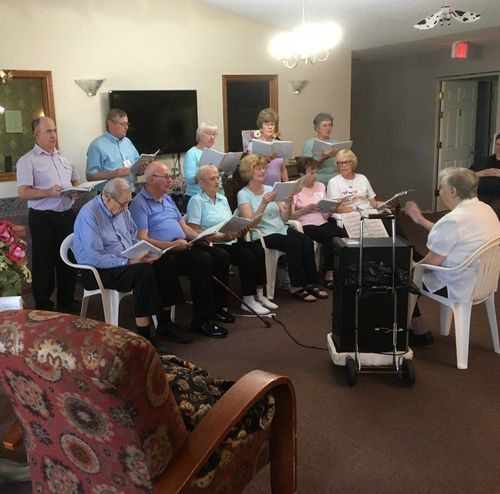
Frequently not, and that is better said plainly than discovered later. A household of a few residents cannot generate a full week of arranged activity or a wide circle of new acquaintances, and somebody who has always thrived on company may find it quiet to the point of isolating. The newer communities along the Berrien County shore do that side of things properly. Choosing a household should follow from something specific about the person, usually that scale confuses or exhausts them, rather than from a general preference for smallness.

How are families kept informed between visits?

It depends on the house and it should be established rather than assumed, particularly where relatives live in Chicago or downstate. The practical questions are who telephones the family, how often, and what counts as worth a call: a fall, a change in medication, a spell of low mood, or only an emergency. A single named point of contact works far better than whoever happens to be on shift. In an established house with settled staff this tends to work well, because the person calling knows both the resident and the family, but it still benefits from being agreed explicitly.

More Senior Living in Bridgman

Get Help Finding Residential Senior Living in Bridgman

Our local advisors know every residential community in Bridgman personally. Get free, unbiased recommendations tailored to your family's care needs, budget, and location preferences.

Free service · No obligation · We only recommend what's right for you