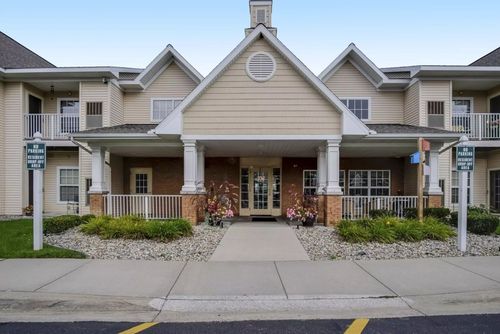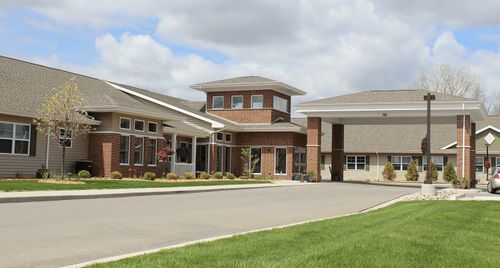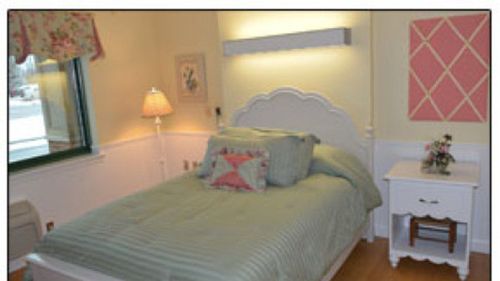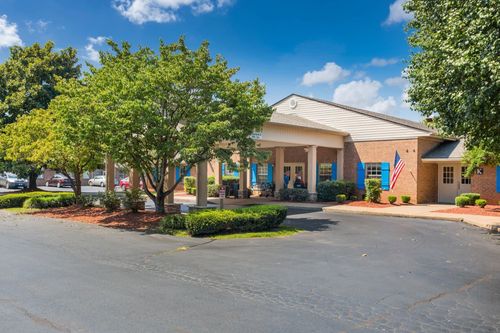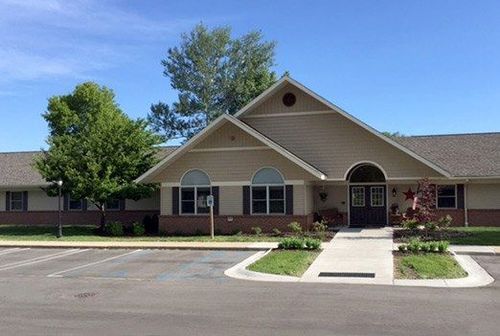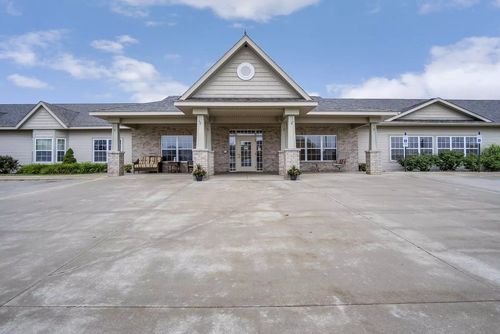
A dog that has spent its life on Tuscola County farmland is being asked to do something new when it moves into a building. Room to run becomes a leash and a schedule, a door it let itself out of becomes a door someone else opens, and the space it had is replaced by a corridor with other people's routines in it. Heritage Hill Assisted Living is the Caro address that accepts residents arriving with an animal, and for the farm households this part of the Thumb is full of, that transition is the honest subject rather than the paperwork. Most dogs manage the change perfectly well, and some do not, which is worth thinking about before the move rather than after it.
What the Building Asks and Why
The limits a community sets look arbitrary until you know where they originate. The weight ceiling comes from an insurance arrangement rather than from staff preference, breed exclusions arrive by the same route, and neither reflects a judgment about an individual dog's temperament. Alongside them sit the number of animals permitted, usually one, and the species involved, which matters because a housebound cat, a dog wanting out three times a day and a bird heard through a wall present the building with quite different problems.
The condition that decides most outcomes is who does the work. Feeding, walking, cleaning up and getting the animal to a veterinarian remain the resident's responsibility or that of a relative named beforehand, and a community will want that name settled rather than assumed. On a farm the dog largely handled its own exercise; in a building somebody takes it out several times a day in all weather, and being clear about who that is prevents a workable plan from quietly failing in February.
What the Animal Adds to the Bill
The monthly starting figure at the local pet-accepting address is $5,100, which describes the apartment and the level of care rather than anything to do with the animal. No community in Michigan raises a resident's rent for owning a dog.
The pet shows up as separate lines: a deposit taken once at move-in, refunded by some buildings and retained by others, and a modest monthly charge. Both belong in a written quote rather than a conversation, because the refundability question alone is worth several hundred dollars by the end. Both are also charges on pets specifically, and a dog trained to perform tasks for a person with a disability, or an animal documented against a disability-related need, sits outside the pet policy under fair housing rules and carries neither.
The Rural Practicalities
Tuscola County issues dog licenses and requires proof of current rabies vaccination, which is the administrative detail most likely to have lapsed on a farm where the dog rarely saw a waiting room. Two other rural realities matter more than they would in a city.
The first is veterinary access, and it is the one people underestimate. Caro's clinics keep ordinary hours, and the nearest round-the-clock emergency service is a real drive, which is worth knowing before a night when it matters rather than during one. The second is size, where the gap between expectation and policy is widest. Farm dogs skew larger than town dogs, and the weight ceilings communities apply are the single most common reason a plan changes out here, so establishing that figure early avoids building expectations around an animal that was never going to clear it. On the other side of the ledger, the flat streets around town and the open ground near the Cass River give a visiting relative somewhere genuinely usable to take a dog that is accustomed to space.
Settling the Size Question Early
With one address in town, the value is not comparison but a current and specific answer. A published pet policy and what a building will actually accept for a particular dog are not always the same thing, and the terms move when an insurance arrangement renews.
An advisor covering Tuscola County can establish where the limits presently sit, what the deposit structure is, and whether the building has previously taken an animal of this size, before a household drives out for a visit that could not have worked. If the answer is that this dog is over the line, hearing it early leaves time to make a considered arrangement rather than a hurried one, and it is worth a call to reach out and settle it.
Our Caro directory keeps expanding as we evaluate providers for quality and alignment in 2026. Start the conversation about pet friendly in Caro, or scan the buildings we cover at your own pace.