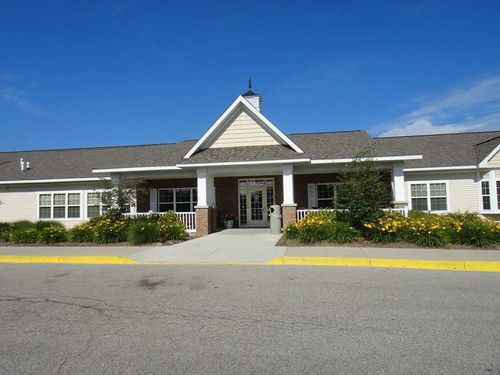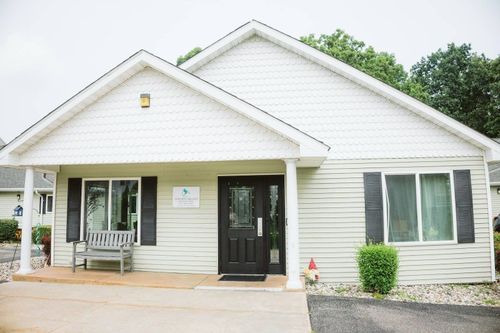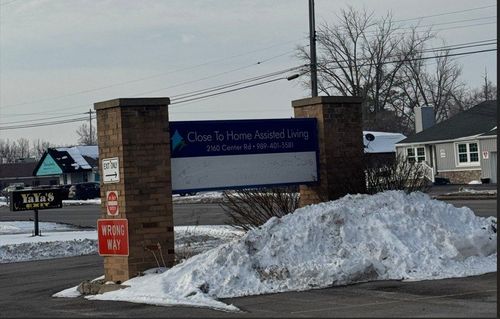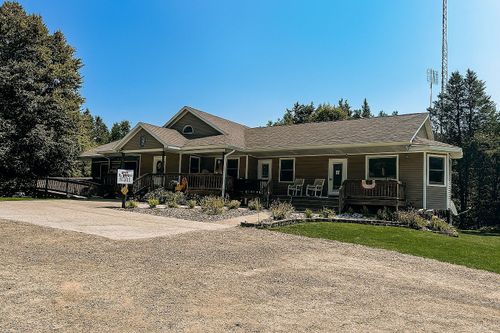
Clare sits where the highways part and northern Michigan begins, which shapes who ends up looking at a small care home here. Niche Aging Clare I on Ann Arbor Trail is a licensed house rather than an apartment community, with residency from $4,800 a month, and the households enquiring about it are frequently split across the state: a parent who has lived in Clare County for decades, and adult children two or three hours south who visit at weekends.
That geography is worth putting on the table early rather than discovering it later, because the setting suits a family that can be present now and then, and asks something of one that cannot be present at all.
What a Licensed House Provides
What a house of this kind provides is custodial support rather than clinical treatment: a hand with washing and dressing, medication given on time, help getting about, meals made in the kitchen, the laundry and cleaning, and somebody awake and answerable during the night. Where the boundary falls is fixed by the licence, since the state grades adult foster care licences by capacity, with duties attached to each class covering staffing, medication handling, food safety, fire precautions and residents' rights.
This home carries memory care alongside assisted living, which not every house does and which matters for a family thinking beyond the first year. Even so, the practical limit is what the licence permits and how the house is staffed after dark, so ask both plainly and expect the home to say where it stops.
What the Rate Covers on Ann Arbor Trail
At $4,800 the figure usually operates as a single bundled amount rather than a rent with charges added to it. Apartment communities more commonly split a base rate from an assessed care fee, which is why an honest comparison means asking each what its number actually contains before setting them side by side.
Two variables move that number inside a house: whether a bedroom is shared with anyone, and how much of the day involves hands-on help rather than supervision. A larger community provides what a house has no room for, a broader activity calendar, more neighbors and space for visiting therapists, and a sociable resident may thrive in exactly that. The two are different environments for different people rather than a first and second choice.
Distance, Visiting and the Practical Questions
For a family living downstate, visiting rhythm is the thing to be honest about. A house with a handful of residents notices who has visitors and who does not, and staff will tell you plainly that a resident with regular contact tends to do better. Ask how the home handles video calls, whether it will help a resident use a telephone, and how it communicates a change in condition to somebody who cannot simply drop in.
Ask as well what happens when the road is bad. Winter in Clare County is not theoretical, and a family that cannot reach the house for a week in February should know how the home keeps them informed and what it does when a resident needs a hospital run in poor conditions.
Reaching a House From Downstate
Small homes rarely advertise, a bedroom coming free is often taken within days, and a family working the phone from downstate usually assembles a picture that has already changed.
Someone covering the middle of the state can say whether Niche Aging Clare I has a room, what its licence lets it manage as needs increase, and how it keeps distant families informed. For a household that has ruled out the apartment-style option already, a short conversation saves the fortnight of calls that usually comes first.
Our Clare directory keeps expanding as we evaluate providers for quality and alignment in 2026. Reach out for a conversation about residential care homes in Clare, or look through the communities we have vetted at your own pace.