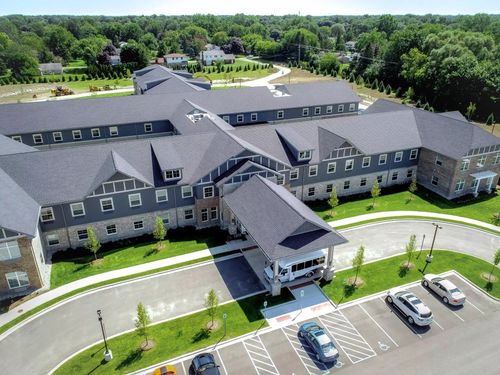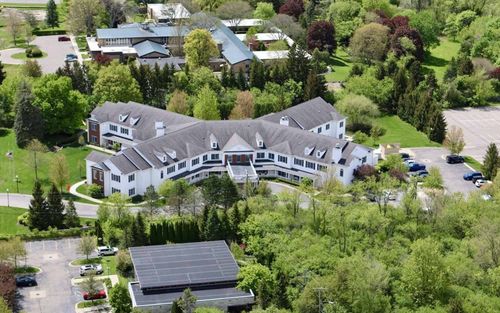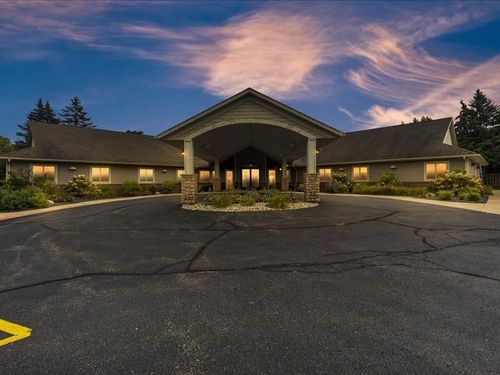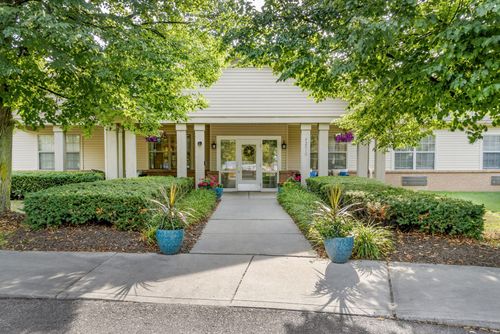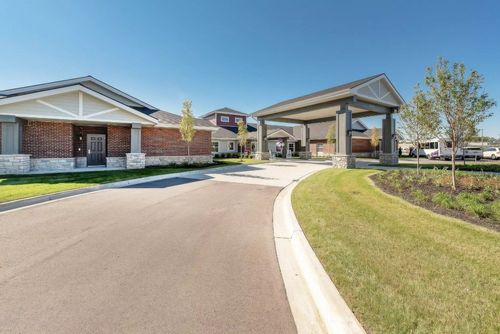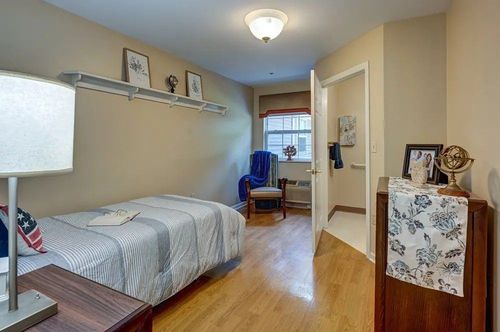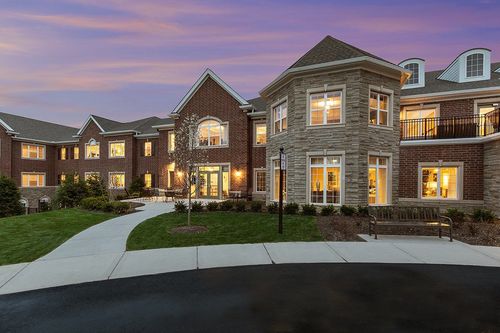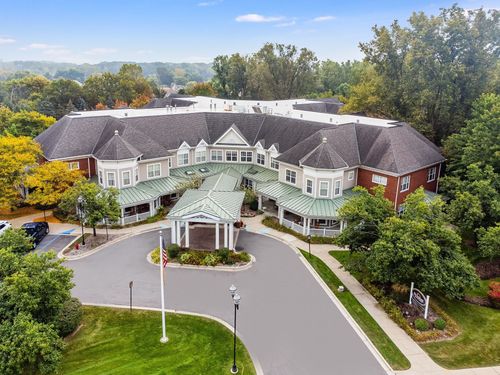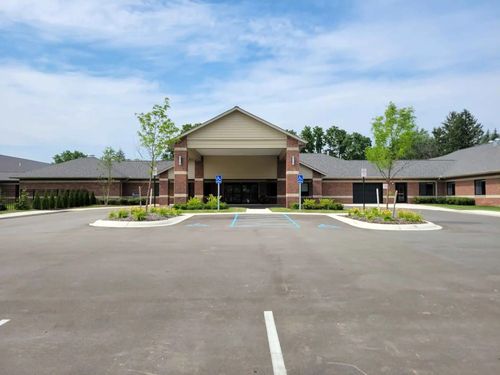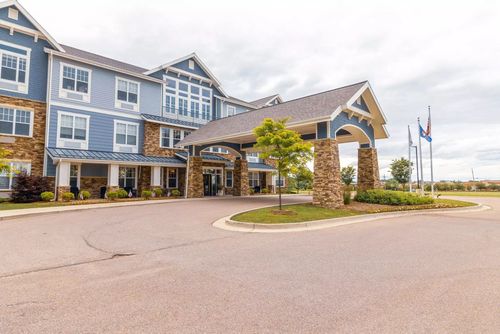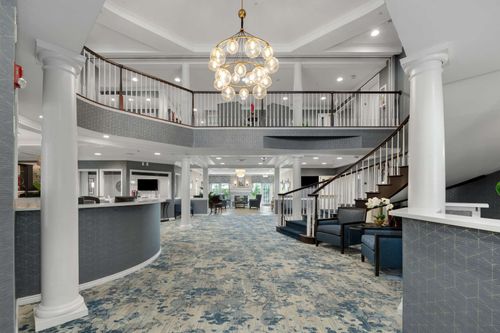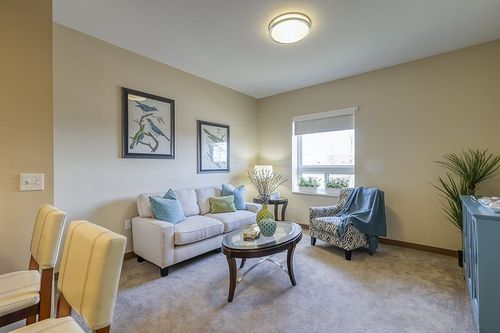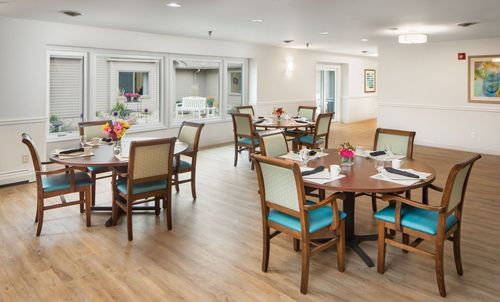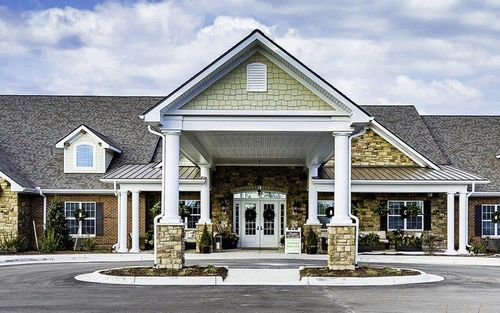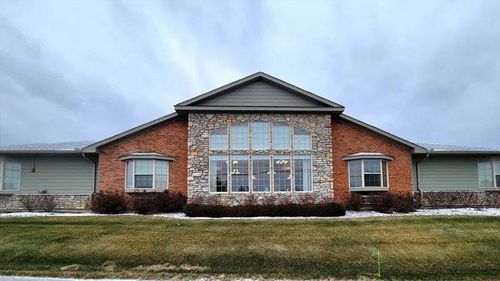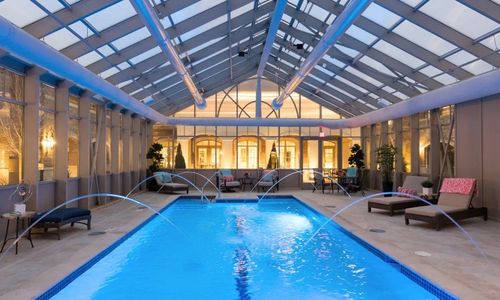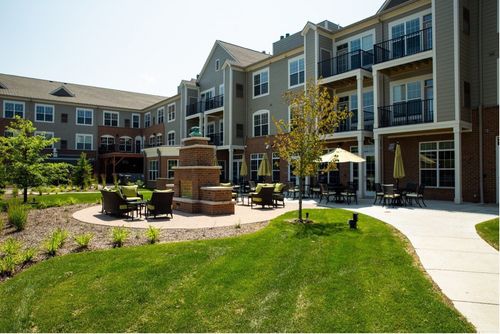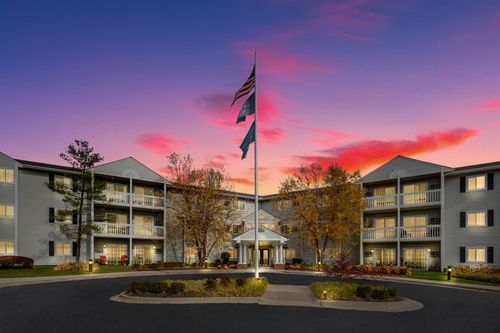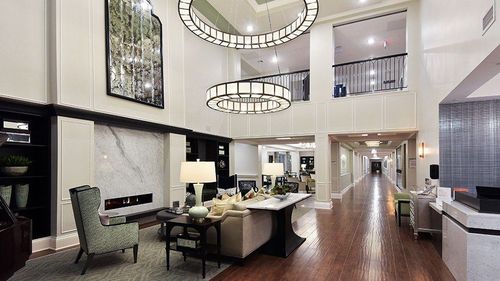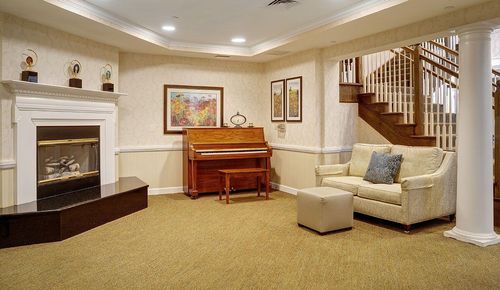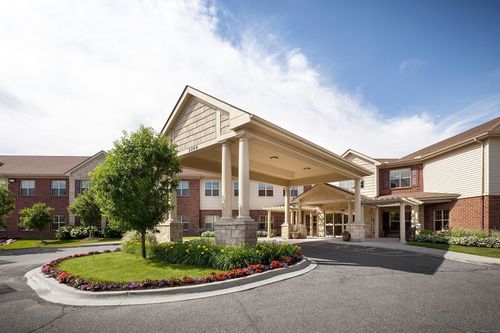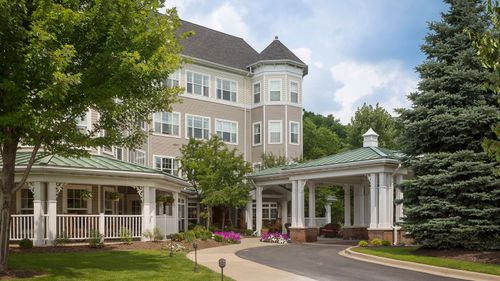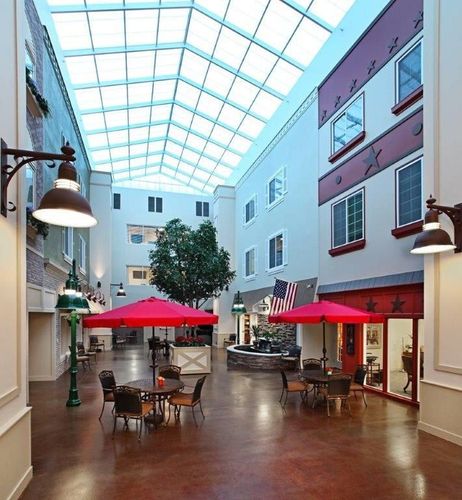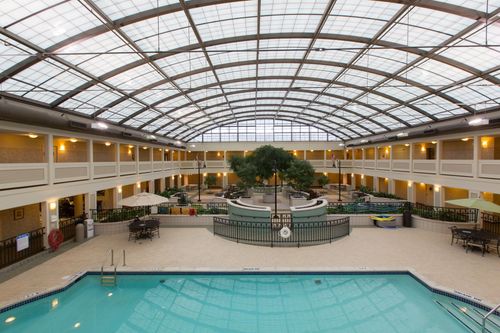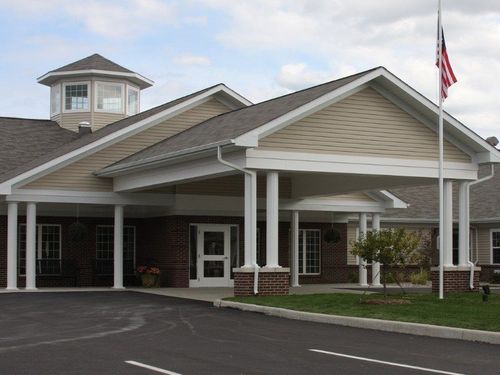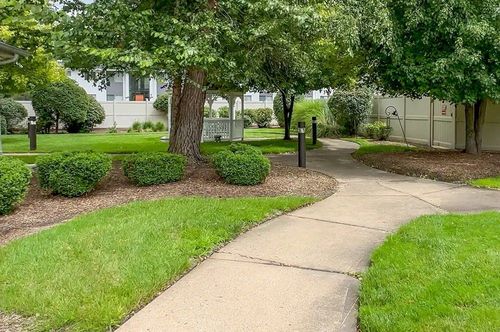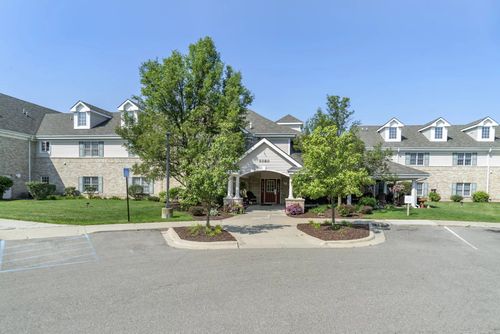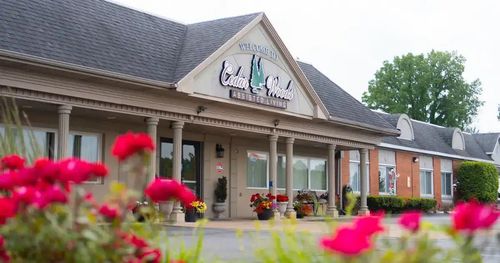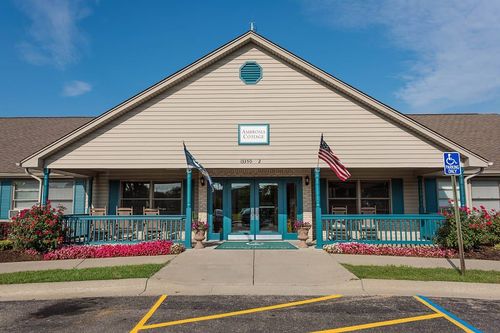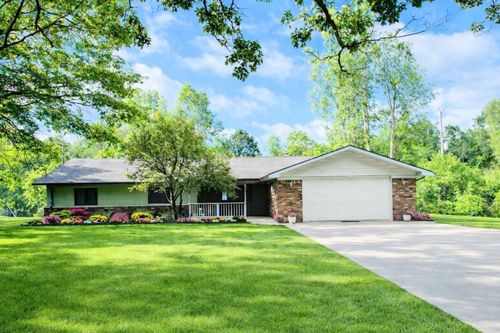
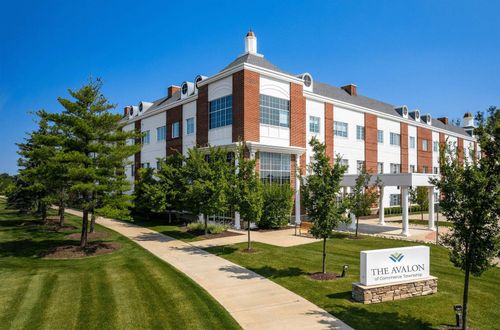

Two of the memory care addresses in Commerce Township publish exactly the same starting figure, which is unusual and tells a family something useful straight away: in this market, money is not the variable that separates the options. What separates them is size, and the range is dramatic, running from a building of around thirty-two residents to a campus of about a hundred and ten.
For dementia, that difference matters more than it would for any other care type. A thirty-two-resident setting can be navigated by somebody who no longer holds a map in their head, whereas a campus of a hundred and ten has to work harder to make a resident's world feel small enough. Both are legitimate answers, and the 3 local addresses include two that will take a resident temporarily so a household can find out which one suits.
Small Building, Large Campus, Same Diagnosis
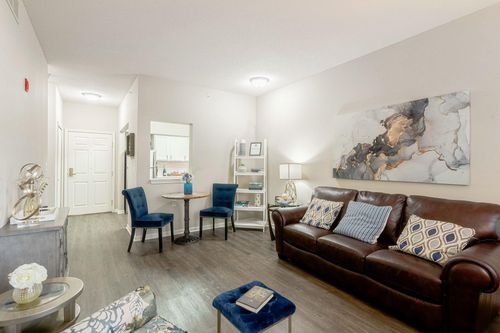
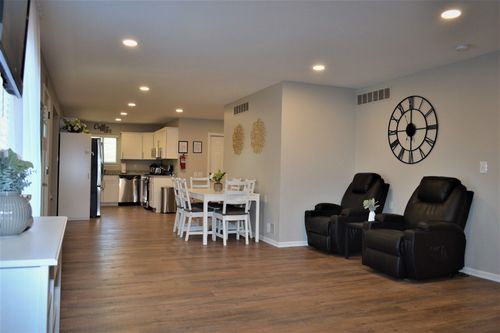
In the smaller setting the advantage is simply that the place can be learned, since a resident takes in one corridor rather than a floor plan, sees the same handful of caregivers on repeat, and reaches the dining room without a decision being required, which for somebody in the middle stages removes a dozen small failures from every day.
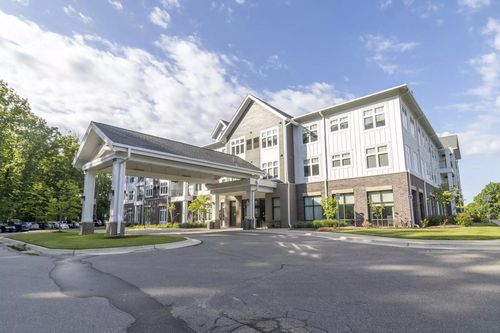
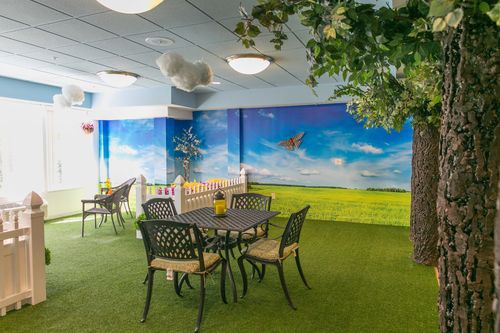
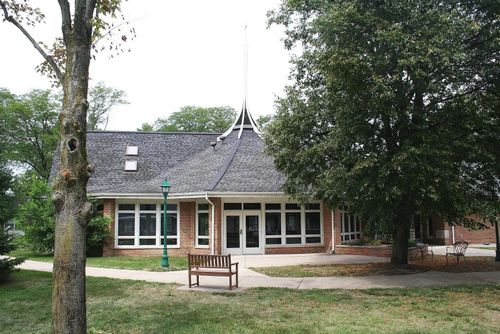
The larger campus answers with resources instead, because more staff on a shift means a resident who becomes distressed at six in the evening gets somebody's full attention rather than a divided one, activities can be split into groups by how far dementia has progressed instead of running as one, and a nurse is present through the day. The right answer depends on how far along a resident is and how they respond to other people, which is exactly the sort of thing a two-week stay reveals and a tour does not.
Where the Third Address Sits
Published figures in the township run from $4,200 to $5,200 a month in 2026, with two addresses at the bottom of that band and one about a thousand dollars above it. That gap generally reflects the room, the setting, and how much dementia support is folded into the opening quote rather than added afterwards.
None of the local buildings holds a Michigan MI Choice waiver contract, so a stay here is funded privately throughout. Households usually assemble that from retirement income, savings, a long-term care policy taken out years earlier, and the sale of a house, and the VA's Aid and Attendance supplement for those whose service qualifies them. The number worth working out is not the monthly figure but how many years of it the household can sustain once care charges rise.
Suburban Oakland, Late to Grow
Commerce Township filled in later than the Oakland suburbs closer to Detroit, and its older residents are largely people who arrived in those growth decades and stayed. Demand here therefore leans toward long-settled households rather than parents relocated in by children.
The consequence for availability is that secured rooms here turn over slowly, since residents in memory care tend to stay. A family that has toured, been assessed, and settled its funding can move when something opens, and a family starting from nothing usually cannot.
A Township With Its Own Hospital
Commerce Township has something most townships do not, which is a full hospital inside its own boundary. DMC Huron Valley-Sinai on William Carls Drive handles emergency and inpatient care for the western Oakland lakes area, so a resident who needs assessment after a difficult night is not being driven half an hour to be seen.
That proximity matters more in dementia than elsewhere, because the hospital trips that happen tend to be unplanned and the person going cannot explain their own history. Family across Walled Lake, Wixom, and West Bloomfield can reach either the building or the hospital quickly, which is what makes frequent short visits realistic rather than aspirational.
Using a Two-Week Stay to Settle the Question
Because two local addresses take respite guests, the size question that dominates this market can actually be tested rather than argued about. A stay of ten days or more shows whether a resident settles in a smaller, quieter setting or does better with the busier rhythm of a larger one, and it shows the family what each building looks like on an ordinary Tuesday rather than on a scheduled tour.
The rest is the detail that decides how a move holds up over years: how far each building lets dementia progress before asking a family to move, what happens as care needs climb, and which address has a secured room genuinely coming free. Households who reach out before booking a trial tend to book the right one, which is the difference between two weeks that answers the question and two weeks that merely passes.
The Commerce Township directory continues to grow as we evaluate providers for quality and alignment in 2026. Start the conversation about memory care in Commerce Township, or scan the buildings we cover at your own pace.