
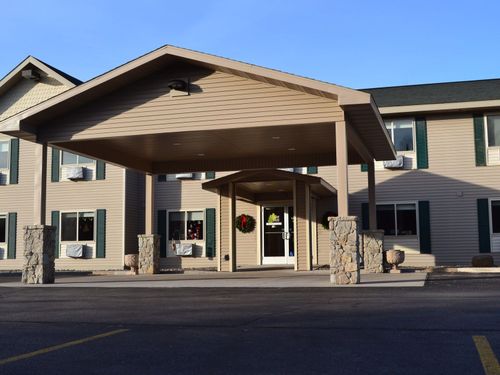
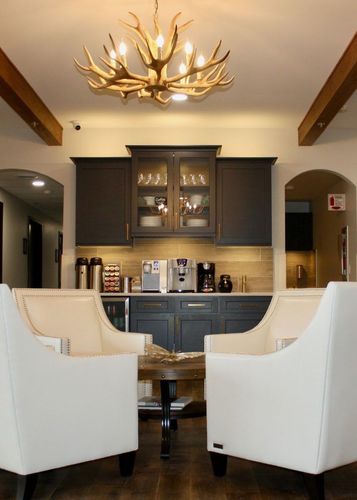
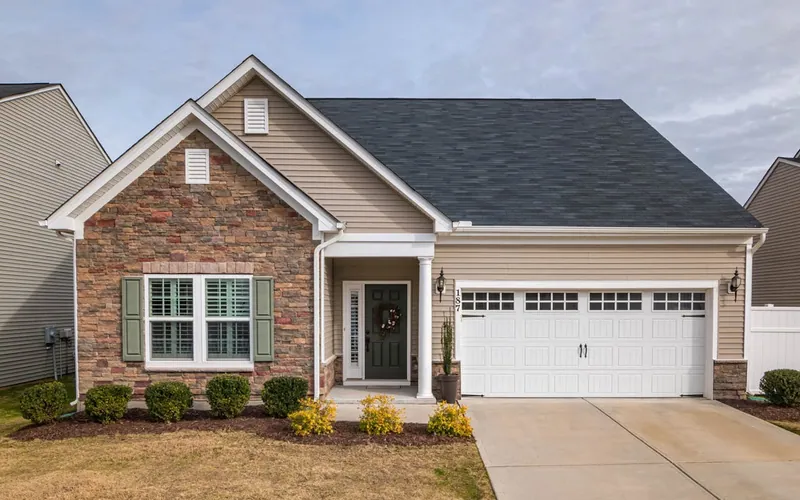
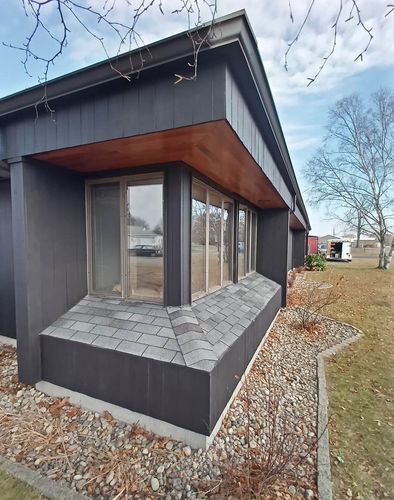
Delta County sits along the northern shores of Lake Michigan in the Upper Peninsula, where winter winds shape daily routines and winter safety guides how older adults manage home life. Families living across Escanaba, Gladstone, and surrounding townships face a tight local field when home maintenance becomes too demanding for an aging parent. This region maintains a handful of licensed residential options, scaling from smaller homes holding seventeen residents up to larger facilities supporting forty-seven individuals. Local choices blend traditional residential neighborhoods with rural settings, reflecting the quiet character of the Upper Peninsula. Finding the right fit means looking closely at how daily support matches a senior's actual physical needs without uprooting lifelong regional ties.
Daily Routines Inside Regional Residences
Assistance here centers on dependable, routine support rather than rigid institutional schedules. Staff members help residents with morning hygiene, medication management, and mobility transitions throughout the shared hallways and private quarters. Meals are prepared centrally and served in communal dining rooms, giving neighbors a reliable time to gather and converse three times a day.
Daily life incorporates gentle physical movement and quiet social hours rather than high-intensity group events. Afternoon activities often feature board games, reading circles, or simple craft sessions that match the varied stamina levels of older adults. Staff members remain present to assist with personal care tasks while encouraging residents to maintain whatever independence they still safely manage.
Financial Realities of Regional Care
Local monthly rates span from $3,195 up to $4,210 depending on the specific location and the volume of personal attention required. For instance, Bishop Noa Home for Senior Citizens begins at $3,800 per month, while Murrays Country View lists a starting rate of $4,210 per month. St. Jude's AFC Home mirrors the $3,800 monthly starting mark, and Cedar Hill Assisted Living & Senior Housing operates within this regional fiscal baseline.
Managing these expenses requires careful planning around fixed retirement incomes and personal savings. Financial assistance through state programs is exceptionally rare here, with only one local residence accepting Medicaid support for eligible applicants. Families must evaluate private resources carefully before committing to a long-term monthly contract in the area.
Understanding Regional Senior Demographics
The population of older adults in this Upper Peninsula county continues to grow steadily as longtime residents age in place. Winters demand reliable indoor pathways and heated spaces, which pushes many families to seek supervised housing before severe weather arrives. Adult children often commute from other regional job centers and realize their parents need closer daily oversight.
This demographic pressure means regional facilities experience steady local interest from families residing across Delta County. Available openings change frequently as community needs shift throughout the changing calendar seasons. Early planning helps relatives secure a preferred room without facing sudden pressure during a family health crisis.
Reasons Families Choose Supervised Living Here
Relatives frequently transition an aging parent when managing medications and household chores becomes overwhelming for one person living alone. Solitude in rural townships can turn isolating during heavy snow months when driving conditions deteriorate rapidly. Moving into a staffed residence ensures consistent nutrition and immediate help if an unexpected fall occurs at night.
Proximity to local medical clinics and familiar regional hospitals provides great reassurance for adult children living nearby. Residents remain connected to local community churches, lifelong friends, and familiar Upper Peninsula landscapes. This balance of safety and regional familiarity helps older adults settle into a comfortable new rhythm.
Navigating the Local Search Process
Finding an appropriate residence involves tracking shifting availability and understanding complex admission requirements. Timing financial transitions alongside state assistance rules requires careful coordination to avoid unexpected coverage gaps.
Evaluating how a physical building layout fits a parent's mobility level makes a massive difference in daily happiness. Families who feel overwhelmed by these moving parts can benefit from a short conversation to talk it through and clarify local options.
We keep expanding our Delta County coverage as we evaluate providers for quality and alignment in 2026. Reach out for a conversation about assisted living in Delta County, or look through the communities we have vetted at your own pace.