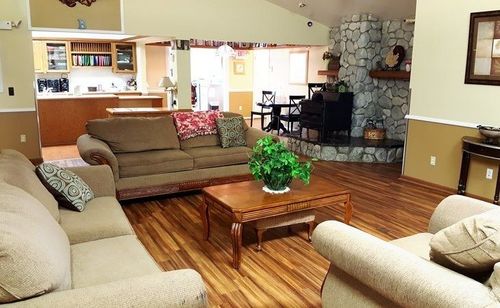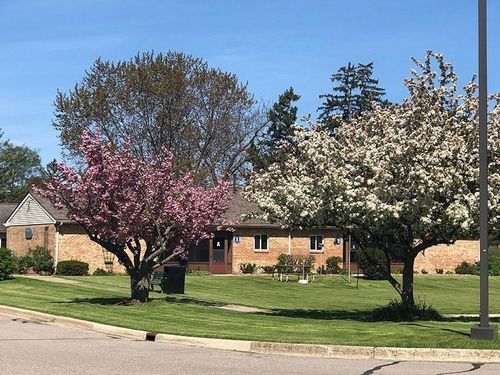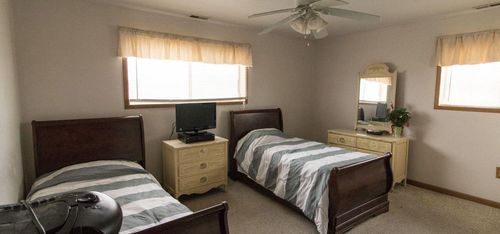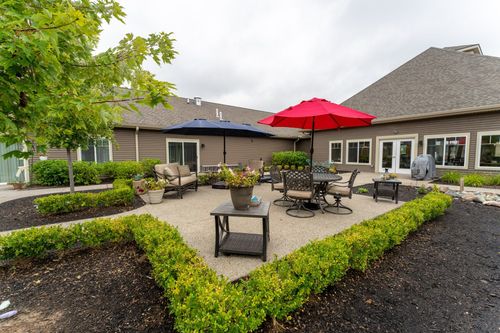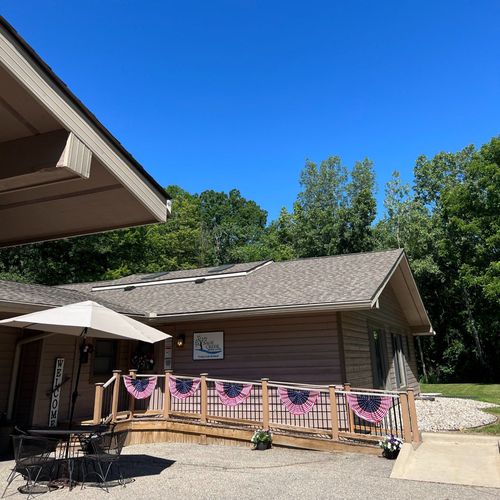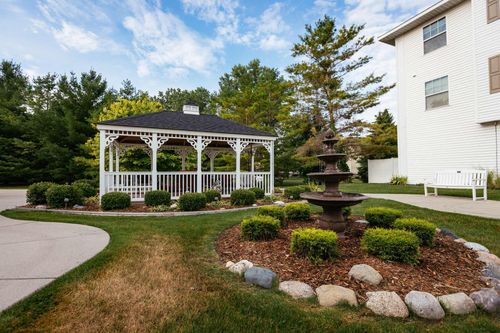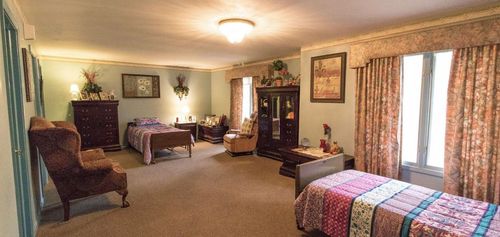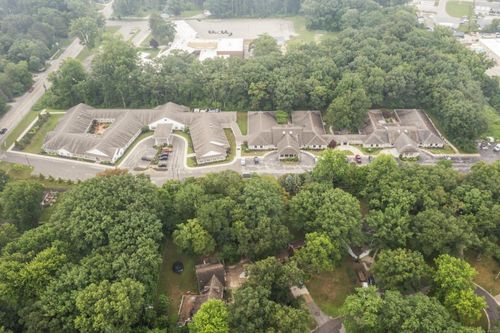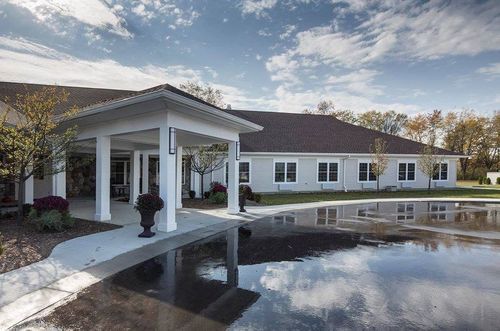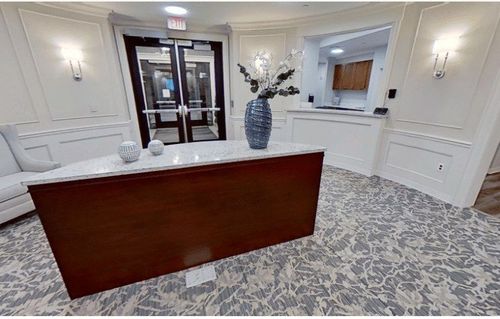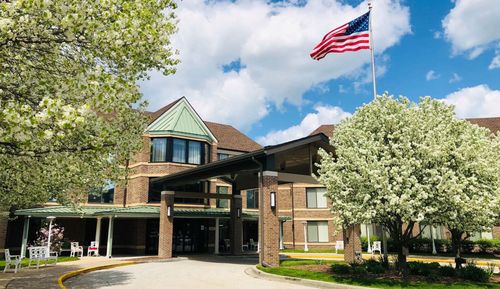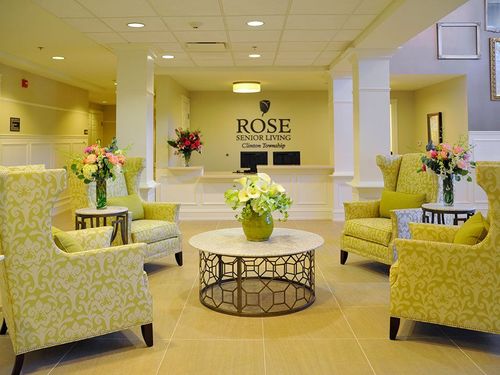
The unusual thing about senior living in East China Township is the balance inside it. River Bend on Meisner Road, the 1 matching community, runs fifteen beds and gives slightly more of them to its secured dementia setting than to assisted living, which means the building is shaped around memory loss more than a bed count alone would suggest.
For a household looking at assisted living that is worth understanding rather than worrying about. The assisted living side here is a handful of rooms in a domestic-scale house, and the secured side sits a few steps away, so a resident who arrives needing help with tablets and washing is already living where the next stage happens if it ever does.
Seven Rooms of Daily Help
At this scale nothing about the care is anonymous. Medication is managed by staff rather than left on a counter, a caregiver helps with washing and dressing whenever it is wanted, meals come out of one kitchen, laundry and housekeeping disappear from a resident's week, and somebody is in the building overnight.
What a household of fifteen changes is how fast anyone notices something. A caregiver here is not covering a wing, so the day a resident stops finishing meals or begins moving differently is the day it gets raised. That matters most for the older adults who usually arrive at a house this size: people managing a long medication list or a heart condition, for whom attention beats an activities calendar. Short respite stays are offered as well, which is the only practical way to test whether the quiet suits someone before committing to it.
One Rate on the River
Assisted living here is quoted at $4,200 a month in 2026. With a single address in the township there is nothing local to weigh it against, so the useful comparison moves inside the number: how much personal care the rate already covers, and what an assessment would add once someone is living there.
Small houses often fold into a monthly figure what larger communities bill separately, so asking specifically is worth more than assuming either way. There is no Medicaid participation here, so the arrangement stays private throughout. Michigan's waiver money is directed at the care a resident receives rather than the place they live, and it requires both a means test and an assessment at nursing-facility level before it reaches anyone.
Fifteen Beds Along the Water
Better than one in five St. Clair County residents has passed sixty-five, and the townships strung along the water between Marine City and St. Clair hold a good share of them, generally in houses their families have kept for decades.
Against that, fifteen beds is a very small local supply and the assisted living portion of it smaller still. Availability is therefore a yes or a no rather than a choice between rooms, and the households best placed are the ones that visited, met the caregivers and understood the building before anything was urgent. Respite is the one lever that creates time when it is not.
Why River Households Stay Near the Water
People in these townships have generally been here a long time, and a move into a fifteen-bed house on Meisner Road keeps a resident inside the same stretch of river country rather than sending them toward a city. The neighbours who have been checking in keep checking in, and the drives stay short for everyone doing the visiting.
The hospital picture runs north, with the township seventeen miles south of Port Huron, where both of St. Clair County's hospitals stand: McLaren Port Huron carries the county's only nationally verified trauma centre, and Lake Huron Medical Center covers heart and stroke work, joint surgery and an inpatient rehabilitation unit. Anything requiring a Level I centre means a longer run toward the Detroit suburbs, which is the exception rather than the pattern.
What a Local Advisor Brings to East China Township
With one small address in the township, local knowledge is about specifics: whether a room is genuinely free on the assisted living side, what the rate includes before an assessment adjusts it, and how the building handles the move across into its secured setting if that becomes the question.
That last point is worth raising early precisely because the secured side is the larger half here. A family that has already asked how the transition is decided, what it changes on the bill and how the building judges when it is time is in a much better position than one working it out mid-crisis. A short conversation while things are steady is usually enough to have all of it clear.
We keep expanding our East China Township coverage as we evaluate providers for quality and alignment in 2026. Start the conversation about assisted living in East China Township, or look through the buildings we cover at your own pace.