Genesee County is where much of mid-Michigan goes when something serious happens, and Hurley Medical Center in Flint carries the region's only Level I trauma centre. For this level of senior living that means most local residents reach it the same way: through a hospital bed, on a discharge date somebody else set.
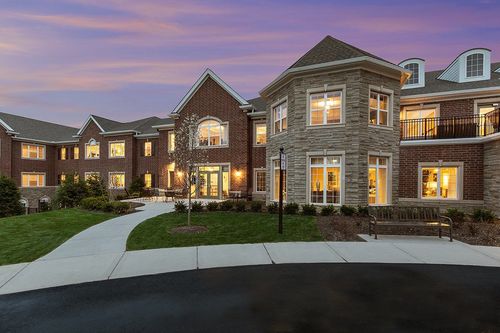
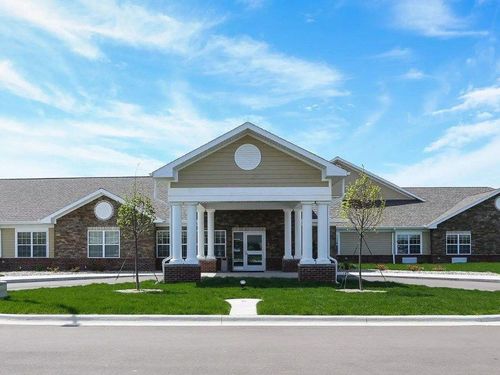
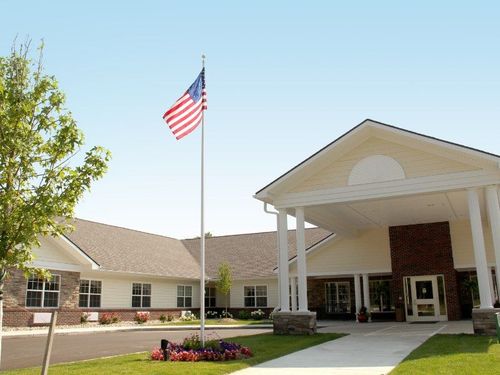
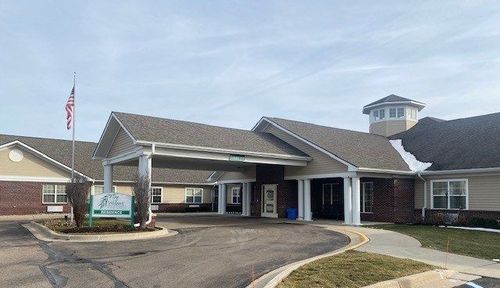
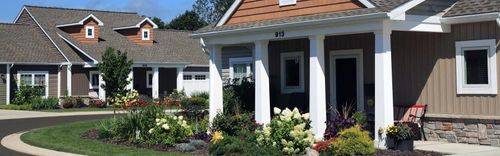
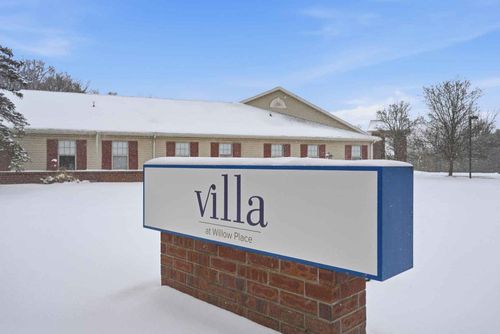
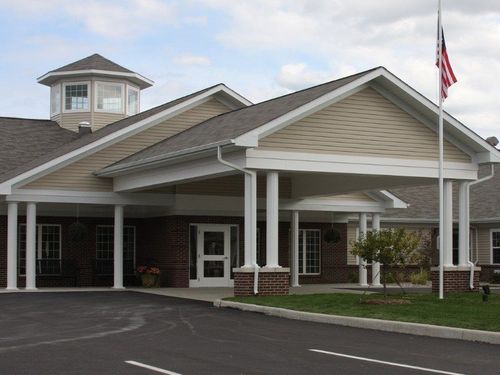
The county's skilled nursing sits at Majestic Care of Flushing AL in Flushing and The Oaks at Woodfield in Grand Blanc, both of which also run assisted living and secured memory care alongside it. That matters, because a resident recovering from surgery and one who is not going home again may share a roof while on very different paths.
Round-the-Clock Nursing and a Therapy Schedule
What distinguishes this level is licensed clinical coverage at every hour rather than scheduled help with routines. Registered nurses work every shift, physician oversight is continuous, and the licence extends to wound management, intravenous treatment, catheter care and monitoring after surgery.
Alongside that runs rehabilitation, which for short-stay residents is the entire purpose of the admission. Physical, occupational and speech therapy operate to a recovery target rather than a preference, often six days a week early on, judged against whether someone can manage stairs, transfers and a bathroom unaided. When a stay turns long-term, the same therapists shift from rebuilding what a resident could do to protecting what they can still do.
Medicare First, Then a Different Conversation
Funding at this level works nothing like the rest of senior living, and the sequence catches most Genesee County families off guard. The first hundred days can fall to Medicare where a resident spent three or more nights admitted to hospital beforehand, with the opening twenty carrying no daily charge and a coinsurance amount applying after. That benefit also ends the moment daily skilled care is no longer needed, which is often well short of a hundred days.
What follows is a separate system rather than an extension of the same one. Long-term nursing facility care runs through Michigan Medicaid's own long-term care coverage, with its own financial rules and level-of-care determination, entirely distinct from the waiver supporting assisted living. A few Genesee County communities work with Medicaid at this level, which widens the options exactly when families discover they need them, though the application takes long enough that starting it inside the Medicare window is what makes the difference.
Arriving From a Hospital Bed
About 75,700 of Genesee County's 403,000 residents are 65 or older, a share slightly under the Michigan average, which is a reminder that this is a working county rather than a retirement one. Demand at this level does not track that figure closely, because admissions follow hospital activity instead, and Flint's hospitals draw patients from well beyond the county line.
A proportion of those people need somewhere to recover before going home, so bed availability moves with surgical schedules and seasonal illness rather than the local population curve. A week can look very different from the one before, which is why availability checked on Monday means little by Thursday.
Why the Shorter Drive Wins More Often Than Families Expect
When clinical needs escalate the instinct is to look for the largest available option, and occasionally that instinct is right. But this is the level where family presence produces the most visible return: residents attend therapy more consistently when someone is expected, changes in appetite or alertness get flagged by people who knew them before, and post-surgical confusion settles faster among familiar faces.
Flushing and Grand Blanc sit on opposite sides of the county, which for a family in Flint, Burton or Davison is the difference between a fifteen-minute drive and a forty-minute one, repeated daily for weeks. Staying inside the county also preserves clinical relationships, so the doctors who managed a condition before the hospital stay are still involved if a short admission turns long.
What an Advisor Contributes Under a Discharge Deadline
Discharge timelines are the tightest deadline most families ever work to, and an advisor covering Genesee County holds the two things that decide the outcome inside them: whether a bed genuinely exists at the clinical level being described, and how the funding will look once the Medicare days are spent. A case manager balancing a full floor cannot re-verify either daily.
There is a harder contribution too, which is being straight about trajectory. Somebody has to say, before the discharge date rather than weeks after, whether this looks like a stay that ends at home or one that does not, because that question alone decides whether a family is choosing a rehabilitation setting or a long-term one. It is a difficult thing to raise, and it is usually better to talk it through early than to discover the answer by drift.
We keep expanding our Genesee County coverage as we evaluate providers for quality and alignment in 2026. Start the conversation about skilled nursing in Genesee County, or look through the buildings we cover at your own pace.