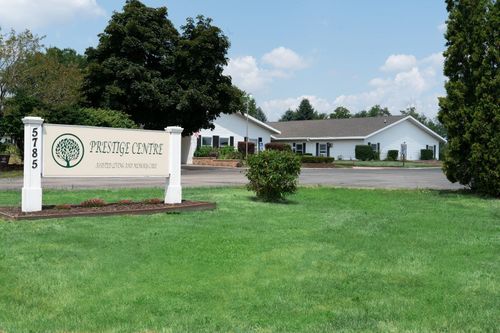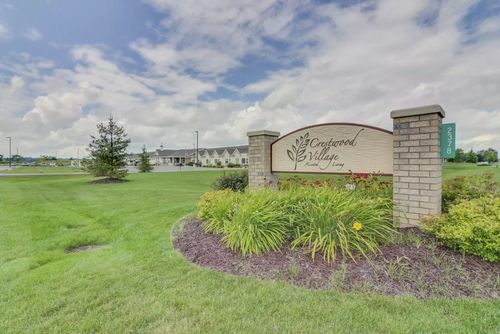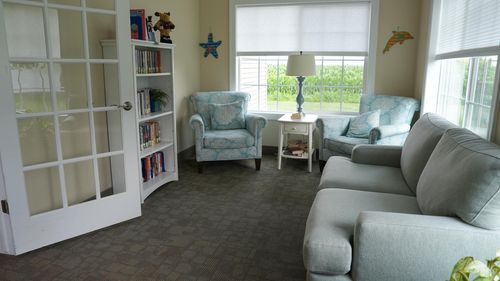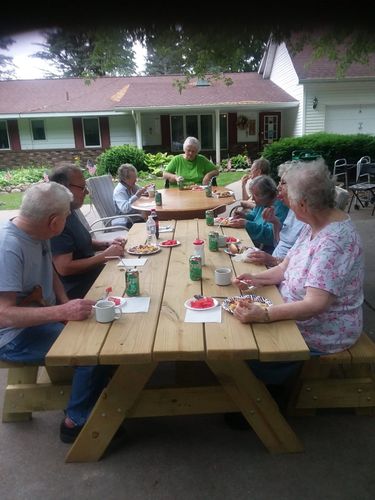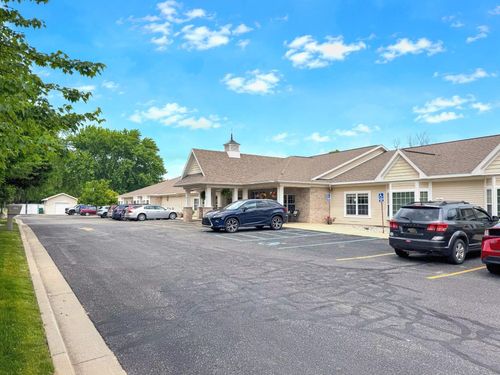

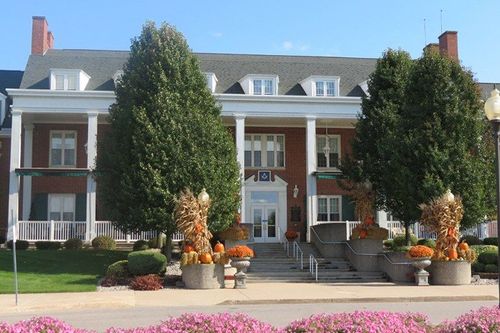
A household looking for secured dementia care in Gratiot County is choosing between two very different kinds of place. Country Friends Assisted Living in Sumner is a house-scale home where a small group lives alongside the same caregivers. Nine miles east in Alma, the Michigan Masonic Home runs a secured area inside a campus, and Arbor Grove Assisted Living & Memory Care does the same.
Those two experiences have little in common beyond the supervision they promise: one offers the quiet of a household, the other depth of staffing and a fuller week. Which suits a particular person is usually obvious ten minutes into each visit, and the towns are close enough that both fit in one morning.
Familiar Faces and Why They Matter More Here
Dementia care runs on recognition: a resident who cannot recall a name can still recognise a face and a voice, and that recognition is what keeps a morning from becoming frightening, which is why staff turnover matters more at this care level than at any other.
The small Sumner home leans hardest on that, with a handful of caregivers covering almost every shift, so a resident meets a familiar person at nearly every hour of the day and habits get learned rather than charted. The Alma buildings answer the same problem differently, with dementia-trained teams, structured activity blocks and enough staff on the floor to give one resident extra attention on a hard afternoon without the rest of the wing thinning out. Both approaches work; they suit different people, and the difference is easier to feel in a room than to read on paper.
Rates, Waiver Timing, and How Long the Money Lasts
Base rates across the county's memory care settings run from $3,200 to $4,100 a month, with secured care priced above whichever base a resident starts from. That is inexpensive by the standards of most Michigan markets, and it changes the conversation: the question is less whether a family can afford care at all and more how many years of it their savings will carry.
Which is where the waiver comes in: a few communities in this county work with Michigan's MI Choice program, and that is genuinely uncommon in secured dementia care. It funds care services rather than housing costs, so the monthly rent stays in the equation, and eligibility runs through a level-of-care determination and a regional review nobody can shorten. Households that expect to spend down savings should start that process well before the money is actually gone.
Where Secured Rooms Come From
Every memory care setting in Gratiot County also runs assisted living, which means a secured room here rarely comes on the market the way an apartment does. It opens when someone already in the building moves into it, or when a resident's stay ends, so the flow is internal rather than advertised.
That has a practical consequence for anyone searching from outside, since a family already known to a building hears about a room sooner than one calling cold. Getting on a list before the need is urgent is not paperwork for its own sake here; it is how the timing works.
Visiting Is the Whole Argument for Staying Local
Dementia visiting is not like other visiting: it works best short and often, twenty minutes at the right time of day rather than two hours on a Sunday, and that pattern only survives if the drive is short. Sumner, Alma and Ithaca sit close enough together that a spouse or an adult child can call in on the way home and still be back for dinner.
That proximity does more than save fuel, because a relative visiting four times a week notices what a monthly phone call cannot: that a resident is steadier in the mornings now, or that a new medication has flattened them, and those observations are what care conferences are actually built on. Distance quietly removes a family from that conversation, which is the strongest argument there is for keeping the move inside the county.
How a Local Advisor Narrows the Gratiot County List
An advisor covering Gratiot County can say which secured settings have space at the moment, how each has handled residents whose needs moved past what it could safely hold, and where a MI Choice application is likely to sit in the regional queue. That last piece, more than anything a family controls directly, shapes the timeline.
The narrowing comes down to one honest question: whether this person does better among a few familiar faces or in a larger setting with more happening. Budget and waiver eligibility then decide which addresses stay on the list, and half an hour to talk it through beforehand tends to save a household from touring the wrong one first.
The Gratiot County directory continues to grow as we evaluate providers for quality and alignment in 2026. Start the conversation about memory care in Gratiot County, or look through the buildings we cover at your own pace.