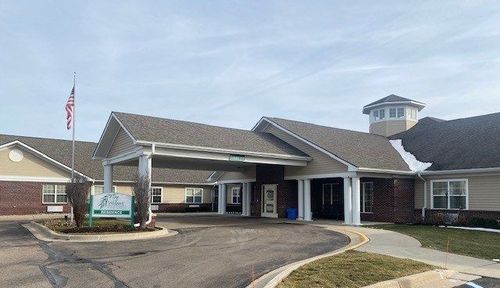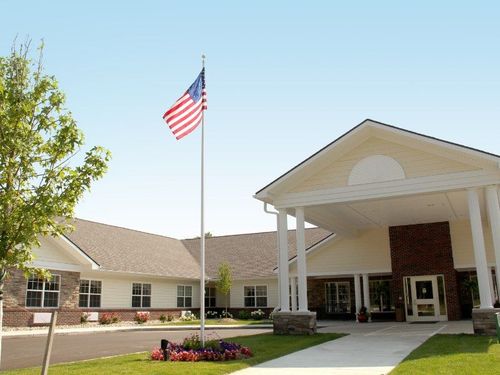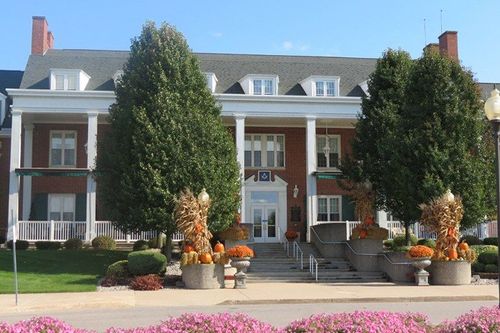
Skilled nursing in Gratiot County is not a separate industry off on its own; it is the top rung of one Alma campus, the Michigan Masonic Home, where residents may already be living at a lighter level of support before clinical needs bring them up to this one.
That arrangement changes what the decision actually is: for a good number of local households the question is not which building to enter but whether a resident is moving up within a campus they already know, and for everyone else it is whether the county's own option fits the clinical picture a hospital has just described.
Licensed Nursing, Therapy, and the Recovery Clock
What separates this level from everything below it is licensed clinical coverage around the clock rather than scheduled help with routines: registered nurses on duty at all hours, ongoing physician oversight, and wound care, intravenous therapy, catheter management and post-surgical monitoring all inside what the setting is licensed to handle.
The other half is rehabilitation, and it runs on a schedule set by a recovery target rather than by preference: physical, occupational and speech therapy, often six days a week in the first weeks after a hospital stay, measured against whether a resident can safely manage stairs, transfers and a bathroom at home. For short-stay residents that measurement is the whole point of admission, and for long-stay residents the same therapy team shifts to maintaining what a person can still do rather than rebuilding it.
How This Level Actually Gets Paid For
This level runs on a different funding system from every other kind of senior living, which is the first thing that surprises Gratiot County families. Medicare covers up to one hundred days of post-acute care after a qualifying inpatient hospital stay of at least three nights, in full for twenty days and with a daily coinsurance charge thereafter, and it is time-limited rather than open-ended.
When a stay outlasts that window or never qualified for it, the route is Michigan Medicaid's long-term care coverage, a separate track from the MI Choice Waiver behind assisted living and memory care. It does pay nursing facility care for residents meeting its income and asset rules, and Medicaid is accepted at the skilled nursing level in this county, which not every rural Michigan county can say. The application involves a financial review and a level-of-care determination, and starting it during a Medicare-covered stay rather than at the end of one is the difference between a transition and a scramble.
Who Arrives, and How
Demand at this level has little to do with how many older adults live in the county. Almost nobody researches this level in advance; residents arrive from a hospital bed within a day or two of a discharge decision, so referral patterns rather than population determine whether a bed is free that week.
MyMichigan Medical Center Alma is where most of these journeys begin, but residents also come back from larger hospitals further afield, so a discharge planner forty-five minutes away may be arranging a return to Alma. That two-directional flow makes local bed availability harder to predict than the county's size suggests.
Why Local Matters More at This Level, Not Less
The instinct when clinical needs escalate is to assume the biggest available facility is the right answer, and for genuinely complex cases it sometimes is. But this is also the level where family presence does the most measurable work: therapy attendance improves when someone visits, diet and medication changes get noticed, and a resident confused after surgery settles faster around familiar faces.
That argues for the shortest drive a family can manage, and from Ithaca, Sumner or St. Louis, Alma is inside twenty minutes, which is the difference between visiting daily and visiting at weekends. It also keeps a resident inside the medical relationships they already have, so the primary care physician who has known them for years is still the one reading the chart when a stay stretches from weeks into months.
What a Local Advisor Does on a Discharge Clock
A discharge timeline is the tightest a family will ever work to, and an advisor covering Gratiot County holds the two facts that matter inside it: whether a bed is genuinely available at the acuity described, and where a Medicaid application would sit if the Medicare days run out.
The other contribution is less obvious and often more useful. Somebody has to say plainly whether the county's own option fits the clinical picture, or whether this particular set of needs genuinely sits beyond it, and to explain what a stay would look like either way. Families deserve that answer before the discharge date, not after, and it usually takes one call to talk it through.
Our directory for Gratiot County continues to grow as we evaluate providers for quality and alignment in 2026. Reach out for a conversation about skilled nursing in Gratiot County, or look through the communities we have vetted at your own pace.