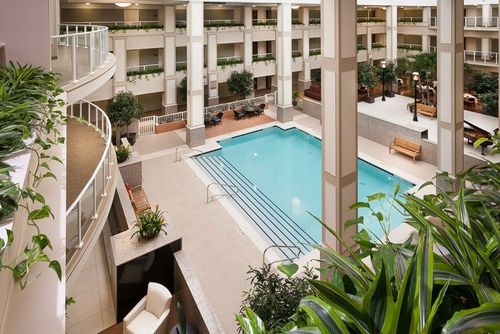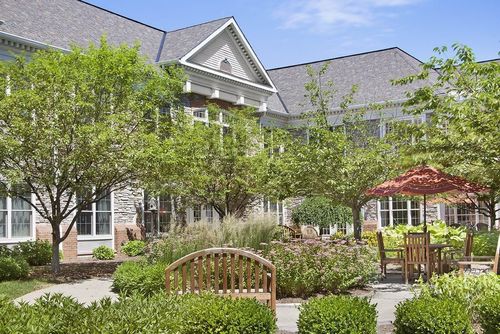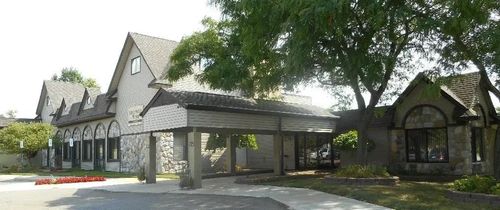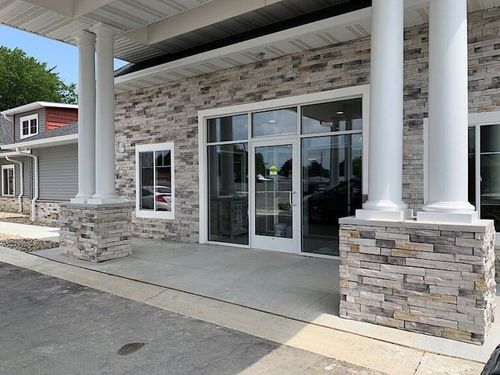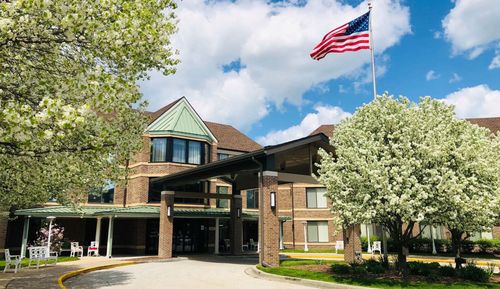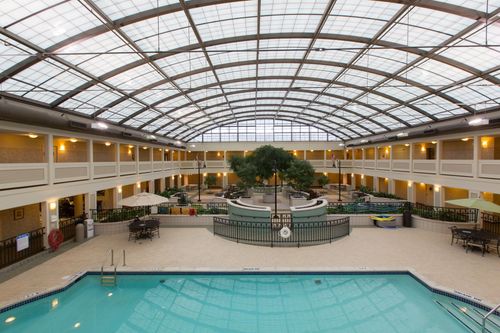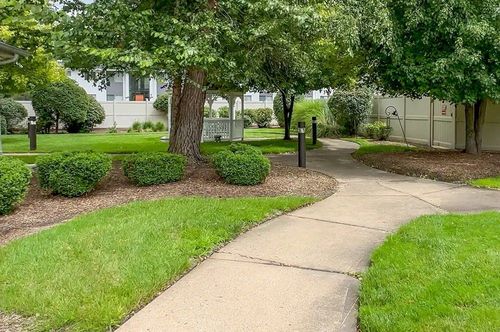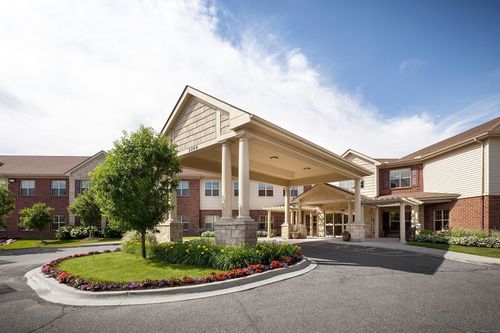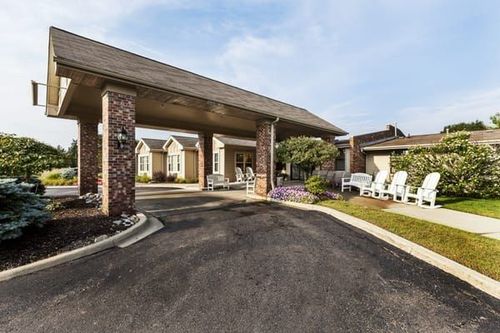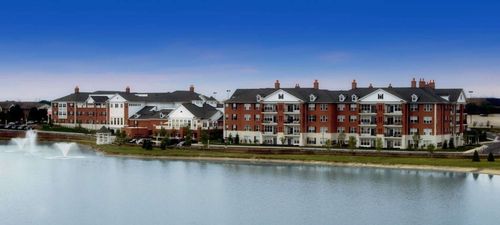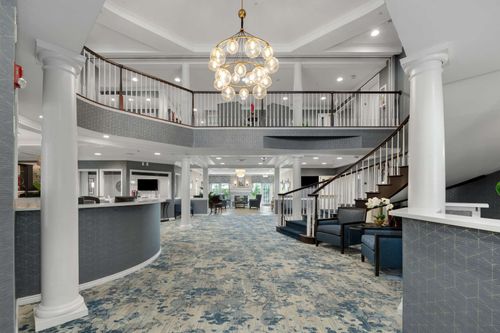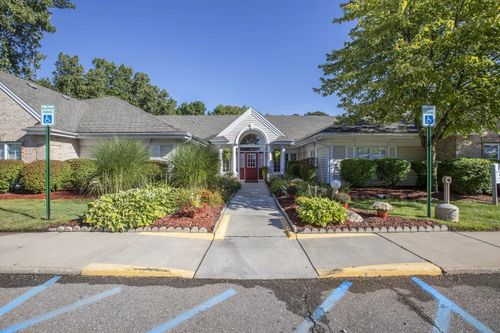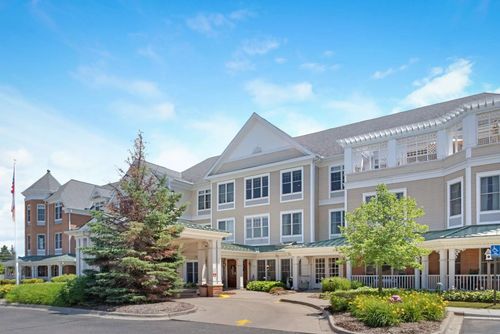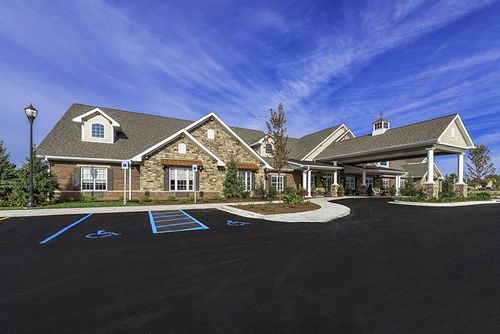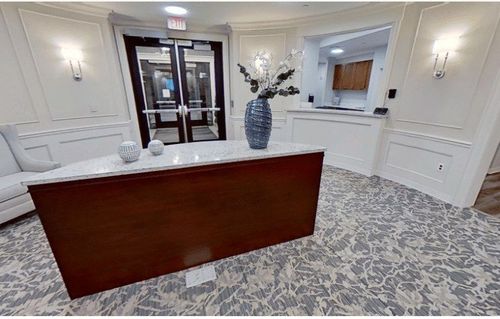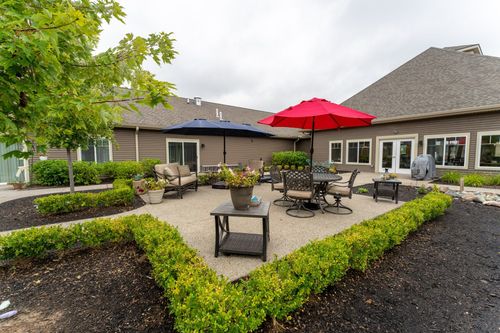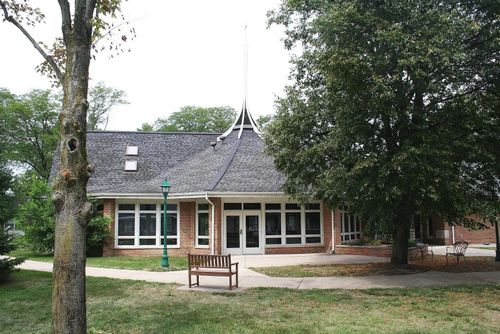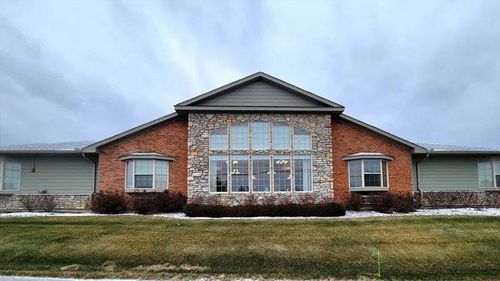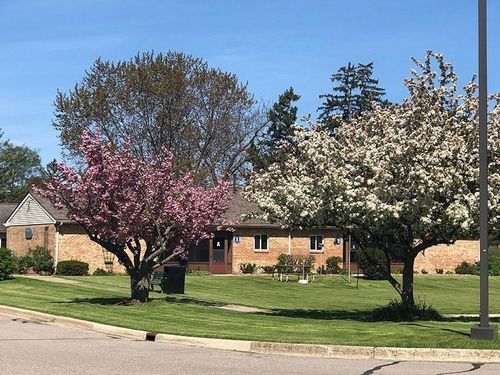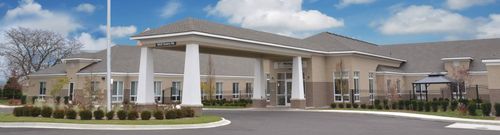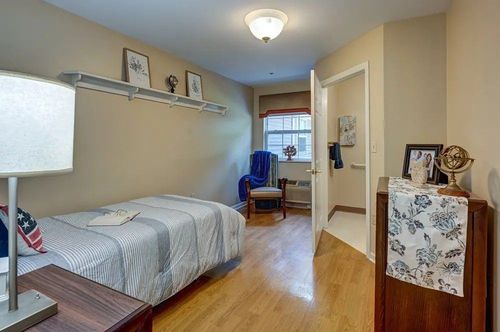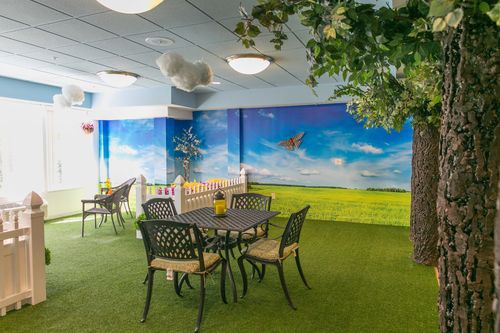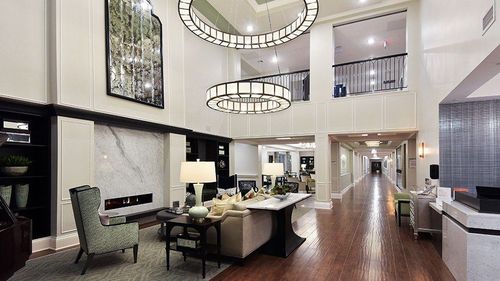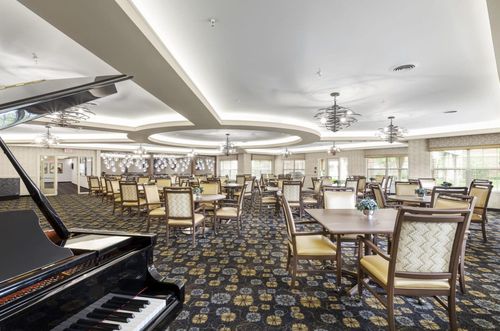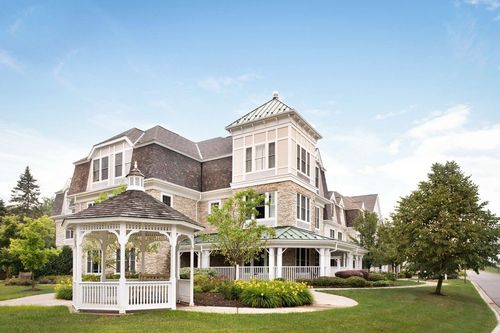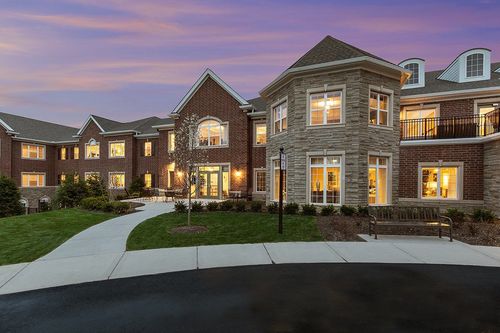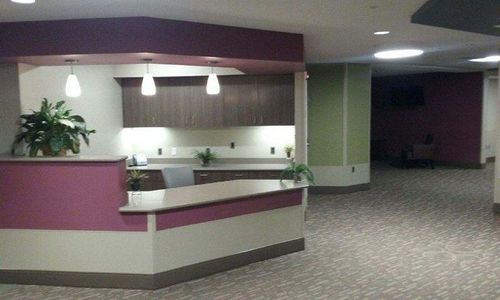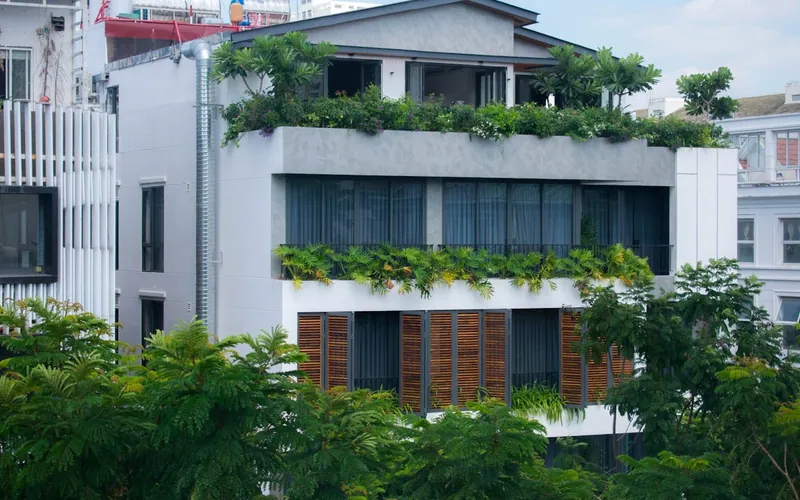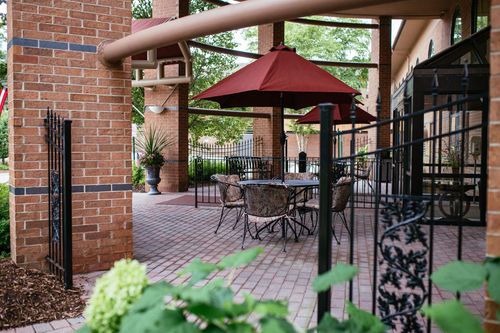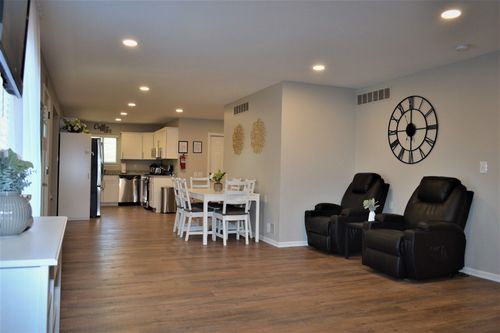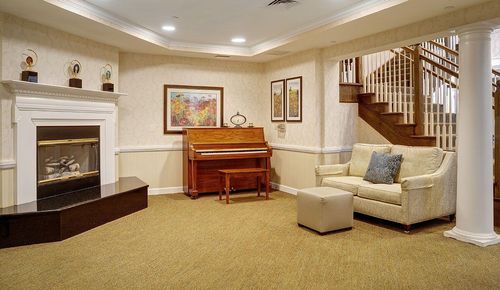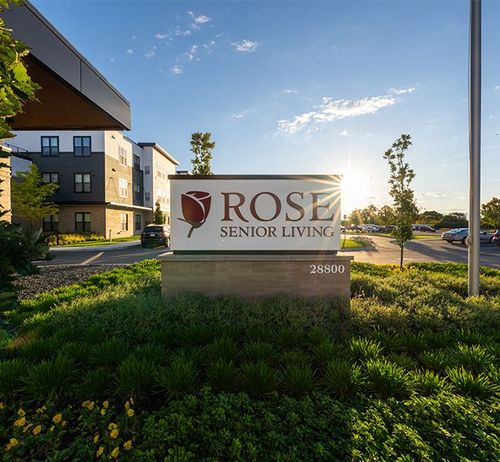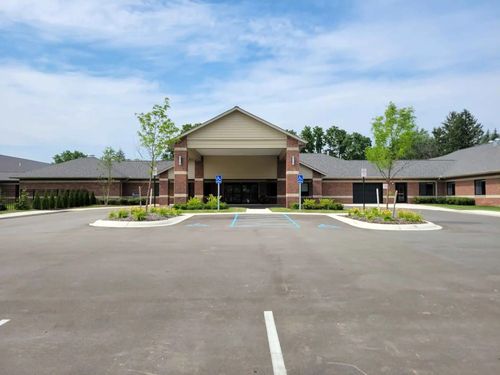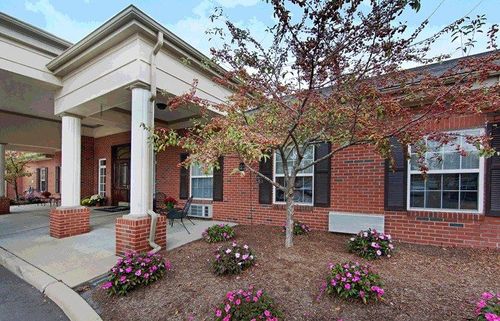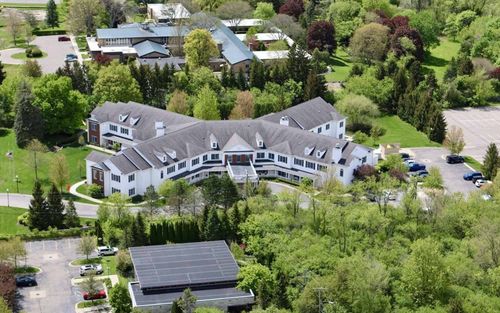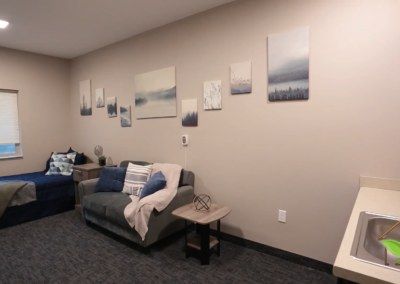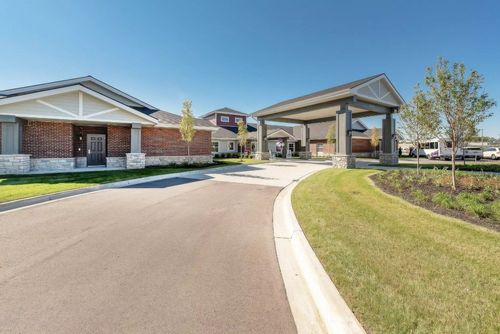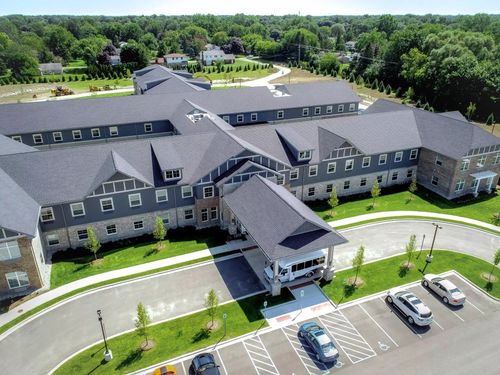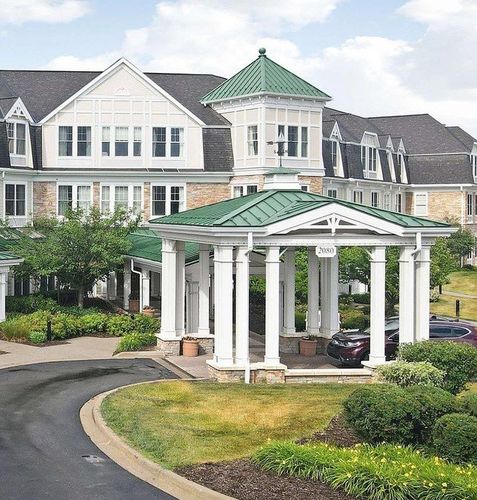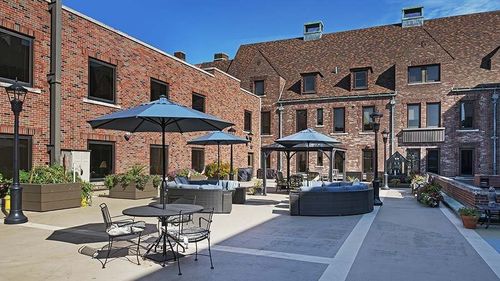
In most Michigan towns the constraint on dementia care is money. In Grosse Pointe Farms it usually is not, and that changes what a family should be looking at. American House Grosse Pointe Cottage, published from $4,350 a month, sits in a community where households can generally sustain a private plan for as long as it is needed, which removes the question that dominates every other page like this one and leaves a harder one behind.
The harder question is what the money is actually buying. Where affordability is not the filter, families tend to filter on appearance instead, and appearance is the least reliable signal in dementia care.
What to Judge When Cost Is Not the Filter
Staffing is the whole product, so ask how many caregivers are on the floor at four in the afternoon rather than at eleven in the morning, how long the people currently working there have been in post, and what happens to a shift when somebody calls in sick. A building with high turnover can be beautifully finished and still deliver a resident a different face every week, which for somebody with dementia is the one thing that reliably makes matters worse.
The second thing to judge is candour, so ask what would cause the building to tell a family it can no longer manage their relative, and listen for a specific answer rather than a reassuring one. Buildings that have thought seriously about the later stages will describe them plainly; buildings that have not will change the subject to the dining room. In a community where nearly every option is affordable, that difference is what separates a good decision from an expensive one.
Reading the Rate
The published figure covers the room, with a care band added after assessment and raised as needs grow, plus an entry fee due once. Respite is available, which is worth using as a trial rather than as a last resort.
No public route applies here and, unusually, that matters less than it does elsewhere. What does matter is that a household paying comfortably in year one should still model years three and four, because a care band rises with need and dementia is a condition that only moves one way. Wayne County as a whole is younger than Michigan, at about one resident in six past sixty-five, but the Grosse Pointe communities sit well above that, so demand on a small number of local addresses is steady.
Why Families Stay in the Grosse Pointes
Proximity does the same work here it does everywhere, and there is no premium version of it. A relative ten minutes away turns up several times a week; one an hour off turns up on Sundays, and it is the daily visitor whose face keeps being recognised. No amount of money spent on a building substitutes for that.
Staying local also keeps the medical relationships in place. Corewell Health Beaumont Grosse Pointe Hospital sits on East Jefferson within the community itself, so a fall, an infection or a sharp change is handled where a household's records already are, and a resident returns to staff who know how their day runs.
What a Local Advisor Brings to the Farms
Where budget is not the binding constraint, an advisor's value is in the questions a family would not think to ask and a building would rather not answer. What the actual staffing ratio is late in the day. How long the current caregivers have been there, and where this building draws its line and how often it has drawn it.
A Local Senior Advisor can get those answers, say whether a room is genuinely free, and be straight about what a care band will look like once a resident's needs grow. Reach out early, because in a community where availability rather than affordability is the limit, being ready to decide is worth more than being able to pay.
Our directory for Grosse Pointe Farms continues to grow as we evaluate providers for quality and alignment in 2026. Reach out for a conversation about memory care in Grosse Pointe Farms, or look through the communities we have vetted at your own pace.