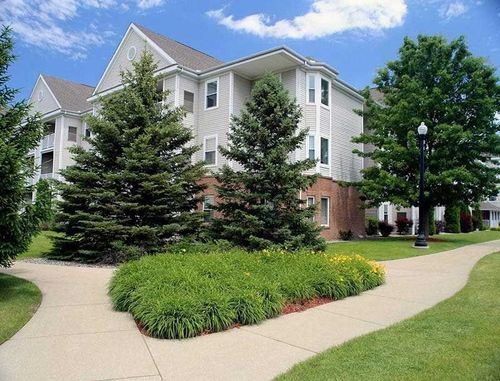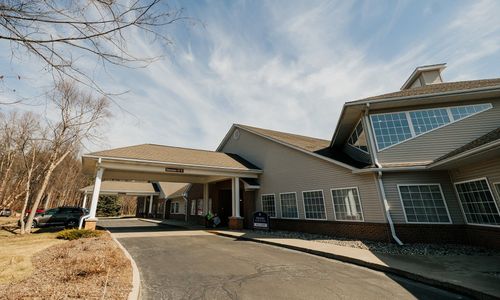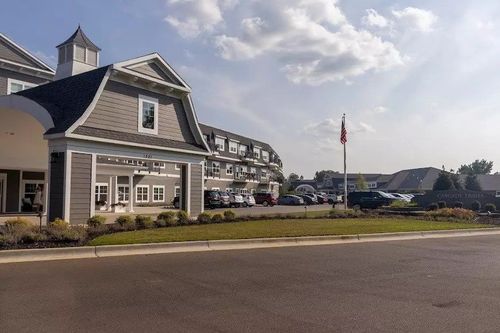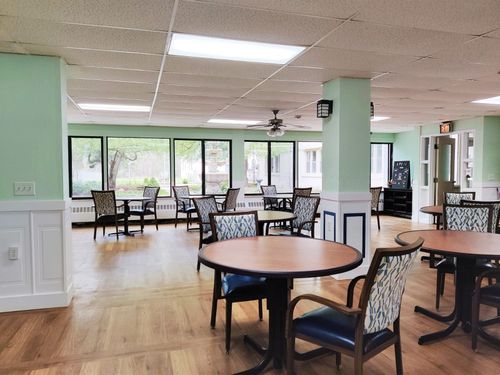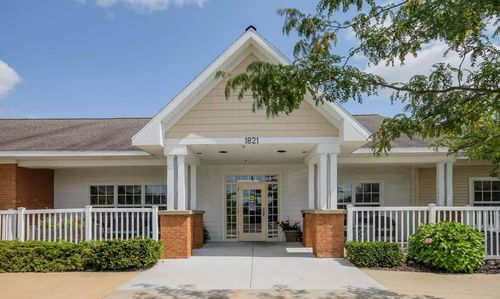
Not every pet travels equally well into senior living, and the differences matter more than a yes or no on a policy sheet. Woodlawn Meadows Assisted Living on North East Street accepts a resident's animal, with residency in Hastings starting at $4,300 a month, and the species arriving with a new resident shapes almost everything that follows.
A cat is the easiest case by a distance: it stays largely in the apartment, needs no walking, and asks nothing of the building beyond a litter arrangement and somebody to fill a bowl. A small dog is straightforward provided a resident can still manage a lead and a door. A large dog raises real questions about who handles it on a bad day. A bird or a fish tank is usually welcomed and rarely discussed, though a tank is heavier and messier to maintain than families anticipate.
What the Building Asks For
The terms follow the shape common to communities of this size: one animal to an apartment, vaccination records current before arrival, conditions on size and breed that trace to the insurer rather than to anybody's view of a particular dog, and the resident, or a person they name, responsible for feeding, walking and cleaning up.
Beyond the paperwork sit the questions that actually determine whether an arrangement lasts. Whether a resident can still get an animal outside twice a day in a Barry County February. Whether staff will help informally, and whether that is a courtesy or something written into a service plan. Michigan requires a dog licence from the county, kept current against a rabies certificate, and that belongs in the folder with everything else.
What the Animal Adds to the Bill
The $4,300 starting figure follows from the apartment and the level of daily help a resident needs, and no part of it turns on whether an animal comes along. The pet appears on separate lines: a deposit when it moves in, returned by some communities and kept by others, and in most cases a small monthly amount for each animal.
Establish which sort of deposit applies before anything is signed. No such charge is permitted where an animal has been trained to perform tasks for a person with a disability, or is documented as an assistance animal, and the community's size and breed conditions fall away as well.
Thinking Past the First Year
Two questions deserve answering while everybody concerned is still well. The first is what happens to the animal if a resident is admitted to hospital, which needs a named person rather than a general expectation. The second is what happens if the resident moves into the community's memory care setting, since permission in an assisted living apartment is decided separately from permission behind secured doors, where a propped door and a forgotten feeding matter in a way they do not upstairs.
The third question is the one families avoid: where the animal goes if it outlives the resident's stay. Family, a named friend, occasionally the community itself, but never an assumption. Writing it down costs nothing and settles a great deal.
Describing the Actual Animal
Pet terms shift with a building's insurance and with the residents already living there, and they are not published anywhere. What was agreed for a large dog two years ago says little about the answer this month.
Someone covering Barry County can describe the actual animal to the actual community and come back with a straight answer, including the honest no when a particular dog will not clear the line. If the animal is the reason this decision keeps stalling, talk it through first and let the apartment follow.
The Hastings directory continues to grow as we evaluate providers for quality and alignment in 2026. Start the conversation about pet friendly in Hastings, or look through the buildings we cover at your own pace.