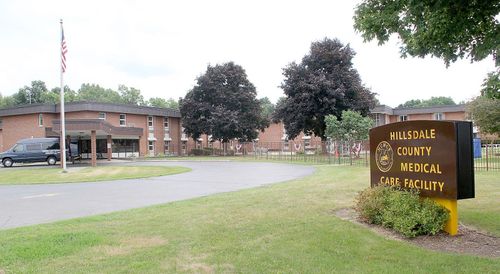
Hillsdale County keeps an unusual amount of its own care. The independent hospital on South Howell Street, founded in 1921 and still unattached to any larger system, runs its own emergency room, its own surgery, its own obstetrics, an inpatient psychiatric unit, and short-stay rehabilitation alongside long-term and respite care. A county of forty-five thousand people does not normally hold all of that.
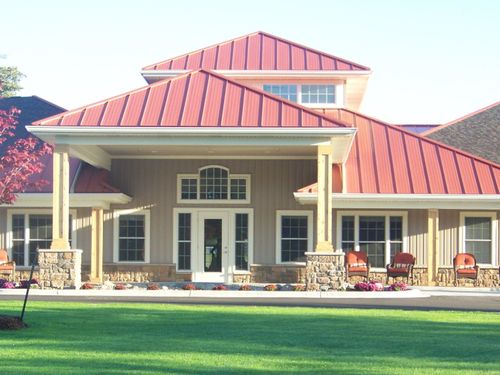
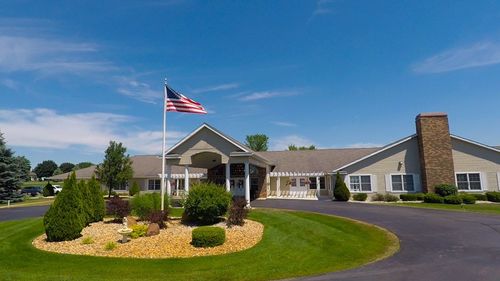
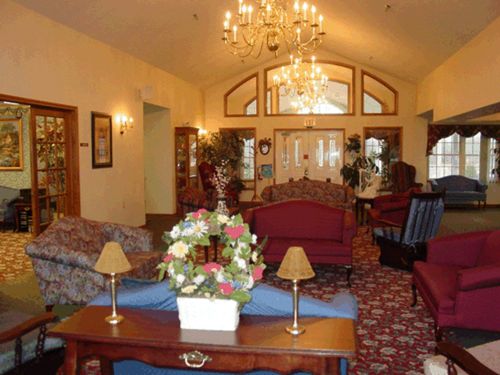
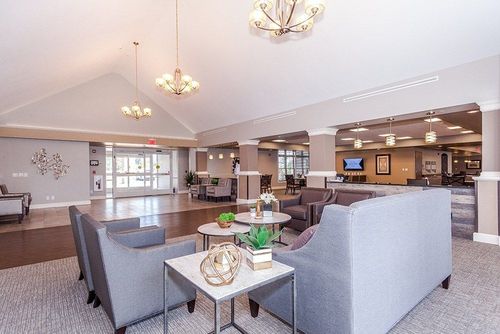
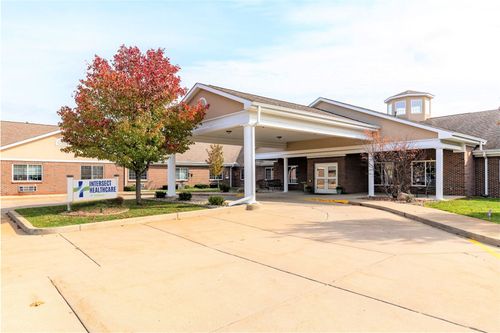
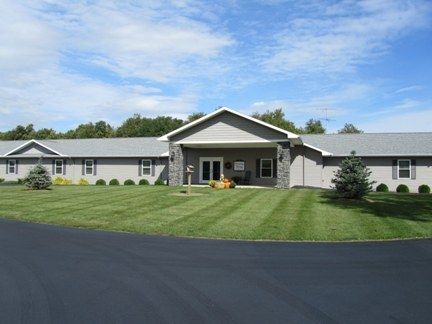
The county's assisted living sits inside that fabric rather than replacing it. Country Living Of Hillsdale on North Lake Pleasant Road and Drews Place at Village Green II on Village Green Boulevard are both in the city of Hillsdale, both minutes from the hospital, and both close enough to each other that a family tours them the same morning.
What an Assessment Actually Decides
The published rate at either address covers a base: an apartment, meals, housekeeping, laundry, an activity calendar and staff on site around the clock. What it does not cover is care, and care is set by an assessment that happens before move-in and gets revisited afterwards.
That assessment is more concrete than the word suggests. Someone works through how much help a resident needs standing from a chair, getting into a shower, dressing, getting to the bathroom overnight, and managing a medication list, and each of those maps to a level with a price attached. A resident who needs a hand once a day sits at the bottom of the ladder; one who needs two people for a transfer sits near the top. Families who ask only for the entry rate are pricing a level their parent may not actually be on, which is how a budget goes wrong in month two rather than year two.
When Two Rates Are Forty-Four Dollars Apart
Country Living Of Hillsdale opens at $4,017 a month and Drews Place at Village Green II at $4,061. A gap that small tells a family almost nothing, and the temptation is to conclude the two buildings are interchangeable. They are not; the entry rates simply are.
What is worth comparing instead is the ladder above each entry rate, because that is where the buildings can diverge sharply and neither publishes it. Ask both for their full care-level pricing in writing, and ask what a resident at a middling level of need actually pays. Two other facts bear on the arithmetic: no community in this county participates in Medicaid, so a stay is privately funded end to end, and neither address offers respite, so there is no low-commitment way to test the fit before committing.
More Seniors Than the State, Fewer Doors
About 9,800 of Hillsdale County's 45,700 residents are past 65, a share of 21.4 percent against Michigan's 19.6. That is meaningfully older than the state, and it sits behind a field of only a handful of addresses.
The absence of respite beds tightens it further. In most counties a family with a caregiver at the end of their rope can book a short stay and buy a few weeks to think. Here that option is not on the table locally, so the decision arrives whole, and the households that fare best are the ones that had the conversation before it became urgent.
A County That Does Not Send Its People Away
Hillsdale is a town of about eight thousand with a college in the middle of it, which gives the place a density and a calendar that a farming county seat would not otherwise have. Lectures, concerts and a walkable downtown sit within a short drive of both addresses, and for a resident who still gets out that matters more than a brochure suggests.
The medical side is the stronger argument. Because the hospital carries its own psychiatric unit, surgery and rehabilitation, a resident's care can escalate and de-escalate without leaving the county, and their own doctors stay their own doctors. In a rural county that is genuinely unusual, and it is the reason most Hillsdale families who look elsewhere end up looking back.
Where Outside Information Actually Helps
When two entry rates land forty-four dollars apart, the useful information is all of the sort neither website carries: which building has a room this month, what each quotes at a realistic care level rather than the entry one, how long the direct-care staff have been in place, and how each has handled a resident whose needs climbed sharply after move-in.
The funding conversation belongs alongside it. In a county with no Medicaid participation and no local respite, the plan has to be built whole at the beginning, which means knowing how many years the money covers before choosing a door. None of that costs a family anything to work through, and a short conversation early usually settles more than a second tour would.
Our directory for Hillsdale County continues to grow as we evaluate providers for quality and alignment in 2026. Reach out for a conversation about assisted living in Hillsdale County, or look through the communities we have vetted at your own pace.