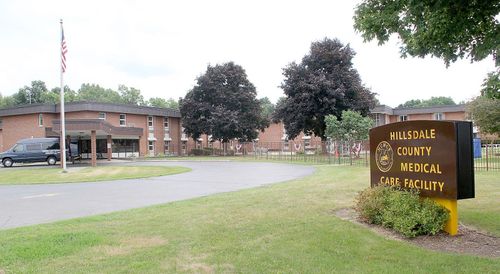
Dementia is the diagnosis a rural county is least equipped for, because it eventually produces an episode that a small building cannot absorb alone and a distant emergency room handles badly. Hillsdale County is better placed for that than its size suggests: the independent hospital on South Howell Street runs an inpatient psychiatric unit alongside its emergency room and its own long-term and respite care, a combination most counties of forty-five thousand do not hold.
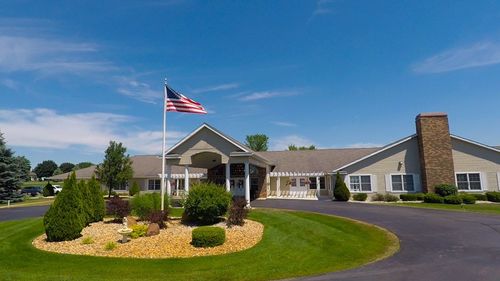
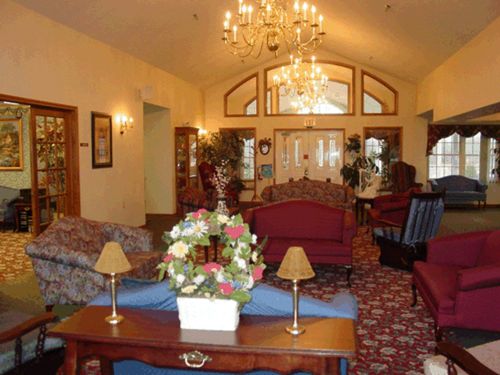
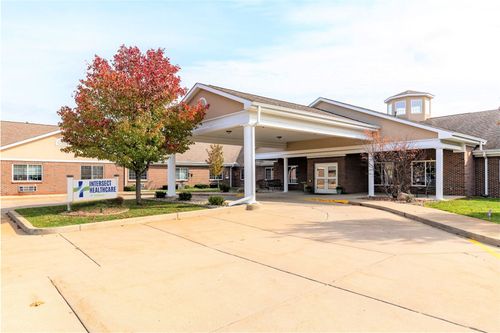
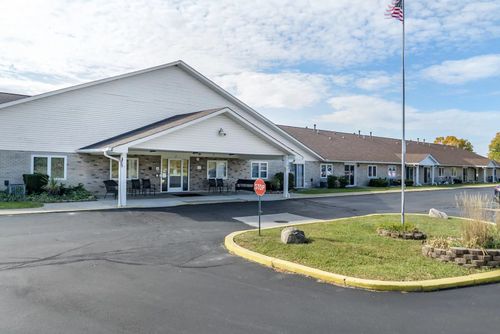
The county's secured space sits at Country Living Of Hillsdale on North Lake Pleasant Road, minutes from that hospital. It is the only address here carrying memory care, so a diagnosis narrows the local field rather than widening it, and the useful questions are about fit and durability rather than choice.
What Families Should Expect to Hear, and How Often
What separates a secured setting that works for a family from one that does not is frequently communication rather than care. Ask at the outset who calls when something changes, how soon, and what counts as worth a call. A fall, a medication change, a new behavior, a refused meal that becomes three: each should generate contact rather than surface in a summary a month later.
Ask about care conferences too. The reasonable pattern is a review about thirty days after move-in, once the building knows the resident and the first assessment has proved wrong in one direction or another, then at intervals after that. For a family living out of town this is a larger share of what they are buying than they realize until something happens and nobody rings.
What a Secured Room Adds to $4,017
Country Living Of Hillsdale publishes a starting figure of $4,017 a month for its assisted living. Secured dementia care prices above that base, as it does throughout Michigan, because the staffing ratio tightens, the overnight coverage gets heavier and the space costs more per resident to run.
What the county does not offer is a way to soften the arithmetic. No community here participates in Medicaid, so a secured stay is paid privately for its whole length, and dementia stays are long. Nor is there a local respite bed to buy a trial fortnight with. Both absences push the same way: the plan needs to be complete before the move rather than adjusted after it, which means knowing how many years the money genuinely covers.
Age, and the Shape of the Need Behind It
Hillsdale County runs older than the state, with roughly 9,800 of its 45,700 residents past 65 against a Michigan share of 19.6 percent. Dementia risk climbs steeply through the eighties, so a county skewed this way generates more secured demand per head than a younger one does, and it meets that demand at a single address.
The effect is that timing beats preference here. There is no queue to join and no way to reserve a room against a future need, so the families who get what they want are the ones already in conversation before a diagnosis turns into a crisis. Those who start when the caregiver at home can no longer cope are usually choosing from whatever exists that week.
The Case for Not Leaving the County
What Hillsdale offers a dementia family is continuity of the medical relationships, which matters more in this disease than in any other. The same primary care physician, the same pharmacy, and a hospital that can handle an infection, a fracture and a psychiatric episode without a transfer to a larger market.
That last capability is worth weighing carefully. When dementia produces a behavioral emergency, the alternative to a local psychiatric unit is a long ambulance ride and a night somewhere unfamiliar, which tends to leave a resident worse than the episode did. A county able to absorb that locally is doing something for its dementia residents no rate sheet will show.
The Questions That Decide a Single Address
With one secured address, the work is establishing durability rather than ranking options. Whether the wing has a room now, what it quotes at the assessed care level, how the building communicates with families when something changes, and how far into the disease it has been able to keep residents. That last answer determines whether this is one move or the first of two.
The funding conversation belongs in the same call, since without Medicaid participation the length of the runway shapes everything else. An advisor covering southern Michigan carries the current version of all of it, and will say plainly when this address is not the right one. None of it costs a family a thing, and a short conversation now beats a tour booked in a hurry.
The Hillsdale County directory continues to grow as we evaluate providers for quality and alignment in 2026. Start the conversation about memory care in Hillsdale County, or scan the buildings we cover at your own pace.