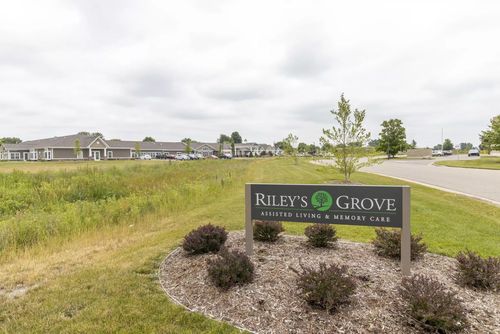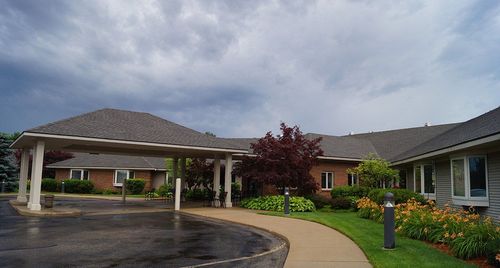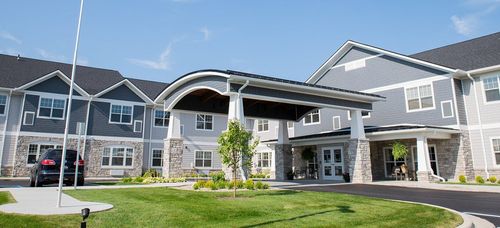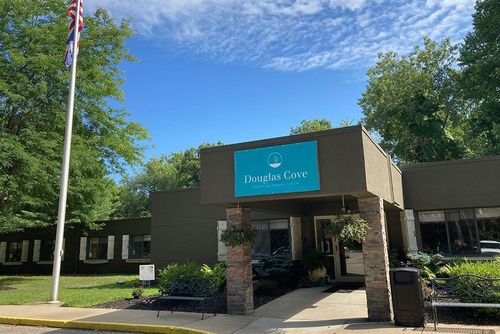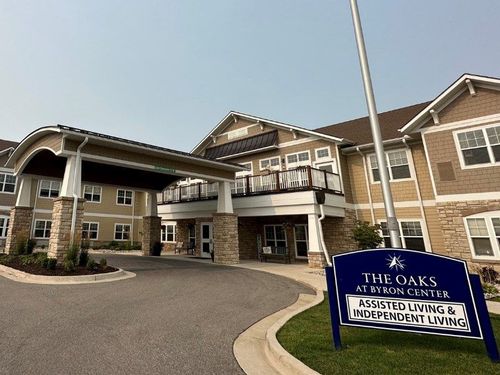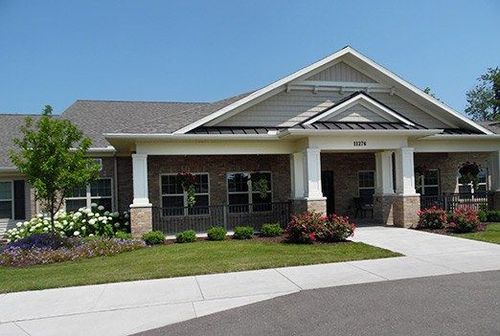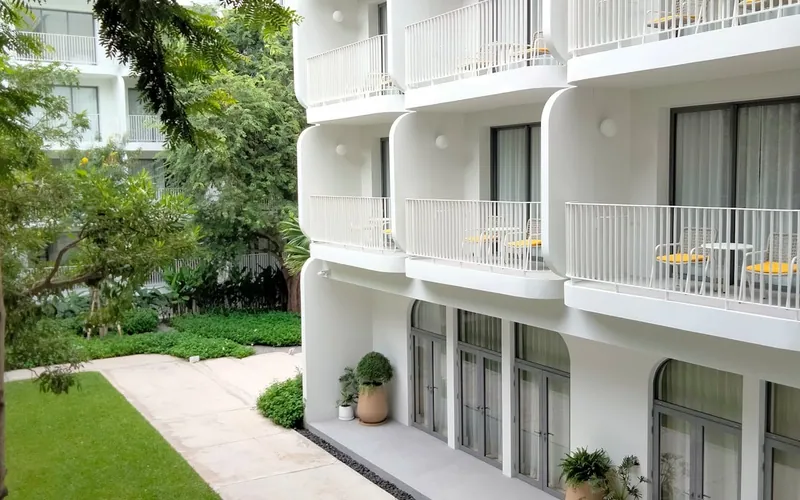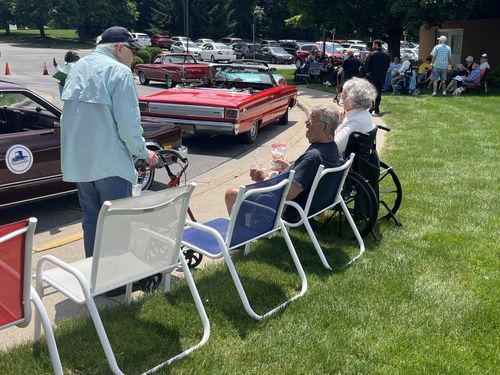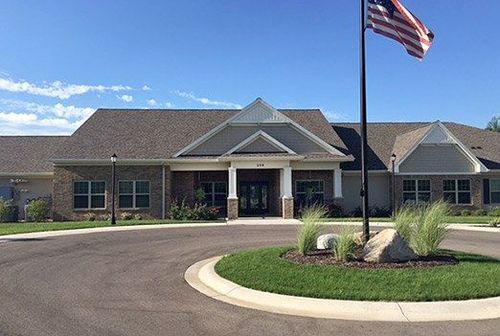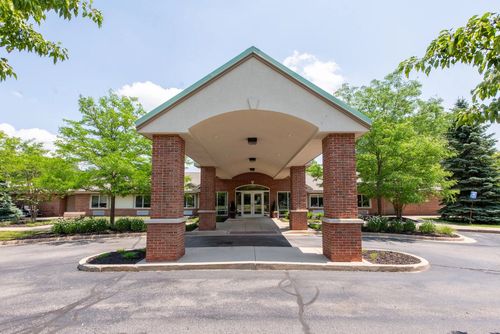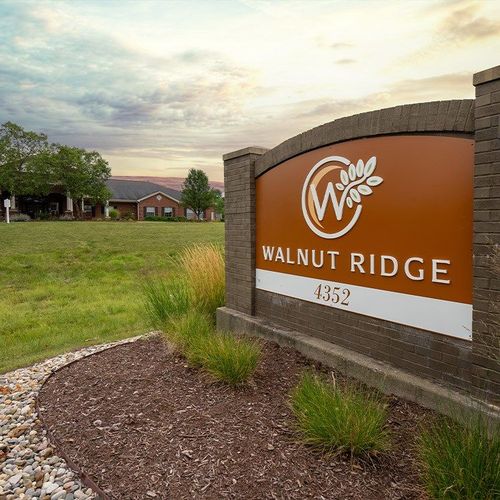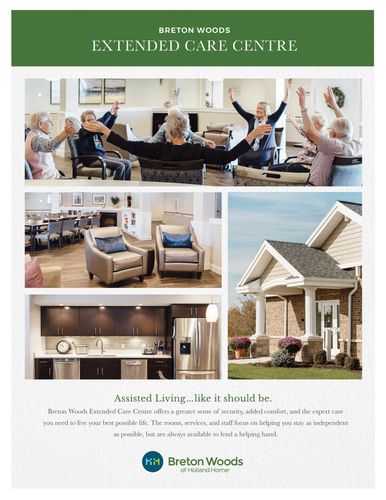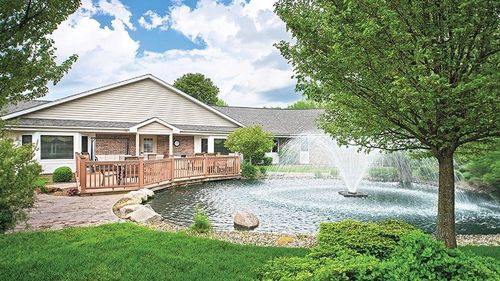


Holland, Michigan provides a distinct setting for senior care, where local assisted living communities blend structured support with the quiet rhythm of a historic lakeside community. Families navigating this transition find a handful of established settings scattered throughout the area, ranging from smaller, close-knit residential settings with around 20 beds to larger, more robust campuses that accommodate over 100 residents. This variation in size allows families to select an environment that matches their loved one's social preferences. These local properties focus entirely on private-pay arrangements, creating a straightforward regulatory and financial landscape for incoming residents. Choosing a home here means balancing proximity to familiar Ottawa County neighborhoods with the specific care capabilities each physical property provides daily.
Balancing Personal Independence with Daily Assistance
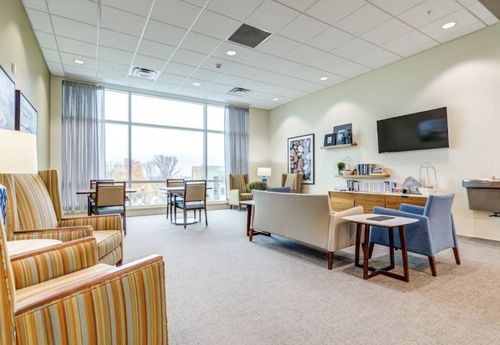
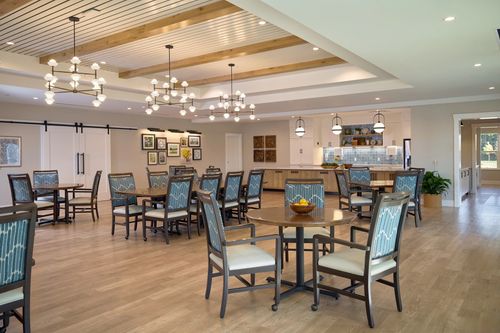
Daily life in these communities centers on predictable routines that respect individual preferences while ensuring safety. Trained staff members assist with personal care tasks such as bathing, dressing, and managing medication schedules around the clock. Residents gather in communal dining rooms for regular meals, removing the burden of cooking and grocery shopping from their lives.
Physical layouts are designed to reduce fall risks, featuring single-level floor plans and strategically placed handrails. Social calendars offer structured activities that keep seniors engaged without feeling overwhelmed. This balance of privacy and oversight helps older adults maintain their dignity while receiving the exact level of help they require.
Navigating the Financial Reality of Local Care
Securing senior care in this region requires a clear understanding of monthly expenses, which typically range from $3,500 to $5,490 depending on the property and care level. For example, Appledorn Assisted Living Center features a starting price of $3,500 per month, representing the baseline for the area. Families should plan for these expenses using private funds, as local assisted living properties do not participate in Medicaid programs.
Base rates generally cover housing, utilities, meals, and core physical assistance. Additional fees may apply if a resident's physical needs increase over time, making it vital to review fee schedules early in the planning process. Long-term care insurance or veterans benefits often help offset these predictable monthly obligations.
Meeting the Needs of a Growing Senior Population
Local senior living options experience steady interest as more families choose to keep their aging relatives nearby. The limited number of communities in the immediate area means that available rooms can fill quickly, especially during certain times of the year. Planning ahead prevents families from having to make rushed decisions during a sudden health change.
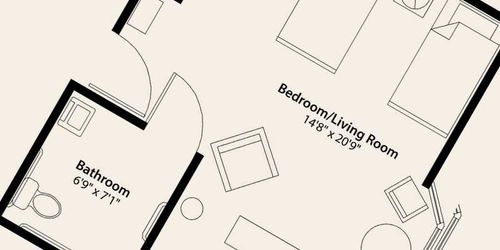
Waiting lists are common for specific room layouts, such as deluxe studio apartments or one-bedroom suites. Initiating conversations early ensures a smoother transition when a senior is ready to move. This proactive approach gives families the time needed to compare environments thoroughly.
Why Families Choose the Holland Area for Care
The decision to transition into a local community often stems from a desire to remain close to family members living in the region. Proximity to local medical facilities, such as Corewell Health Holland Hospital, provides peace of mind regarding healthcare coordination. The familiar cultural backdrop of the area offers comfort to lifelong residents.
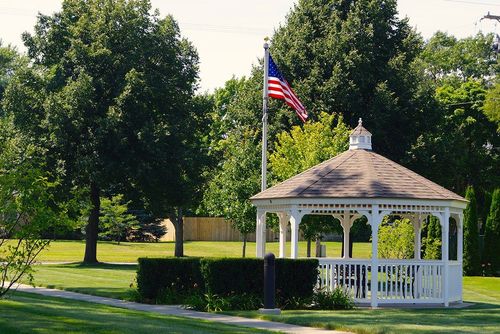
Surrounding neighborhoods feature accessible parks and scenic views that families enjoy during regular visits. Dedicated senior housing removes the stress of home maintenance, snow removal, and winter safety worries. This allows adult children to focus on quality time with their parents rather than acting as full-time property managers.
Navigating Choices with Local Guidance
Selecting the right environment involves assessing current mobility, future healthcare needs, and long-term financial resources. Families must evaluate how a property handles evolving physical challenges, especially if a senior requires more hands-on help later on. Understanding the specific discharge policies of a building prevents unexpected relocation crises during health declines.
Because local communities do not accept Medicaid, timing the transition alongside private asset liquidation is a critical step. A local advisor helps clarify which properties match your physical requirements and financial timeline, ensuring a stable long-term fit. When you feel ready to explore these senior care options together, we can always take some time to talk it through.
We keep expanding our Holland coverage as we evaluate providers for quality and alignment in 2026. Start the conversation about assisted living in Holland, or scan the buildings we cover at your own pace.