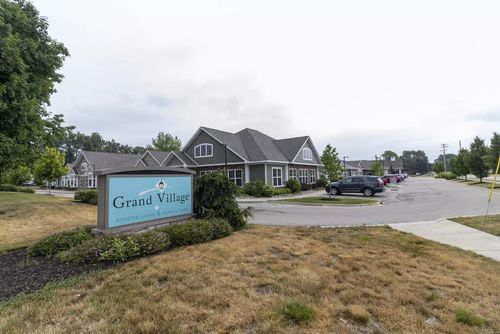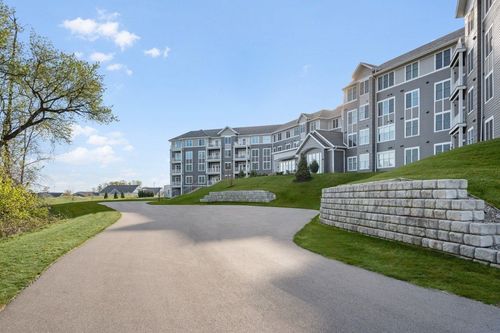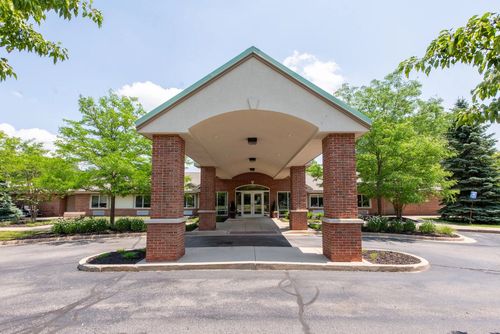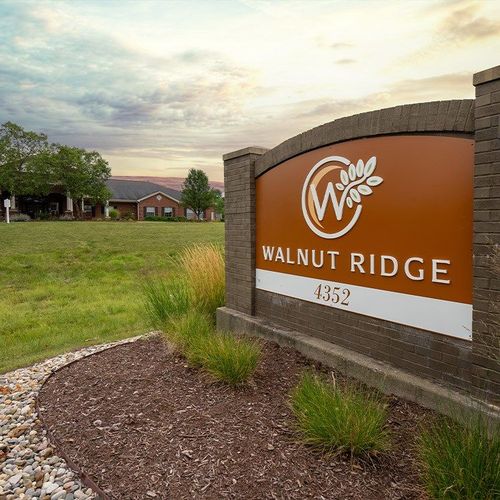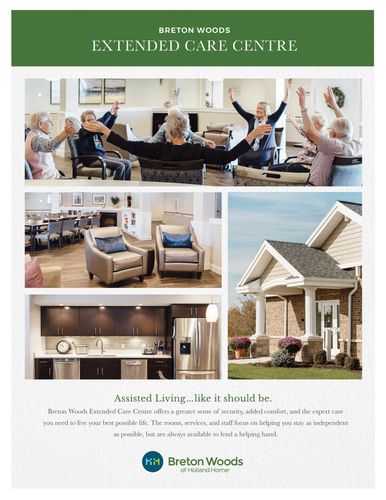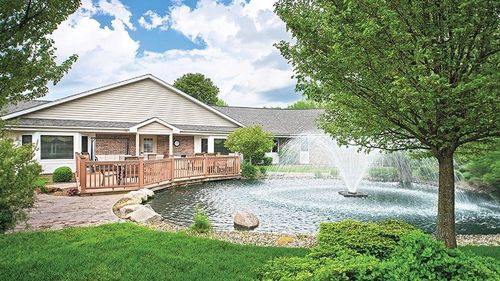
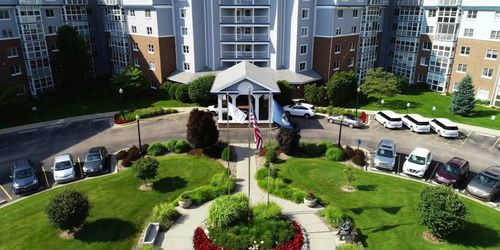
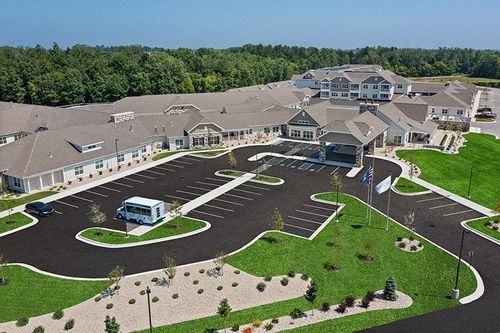
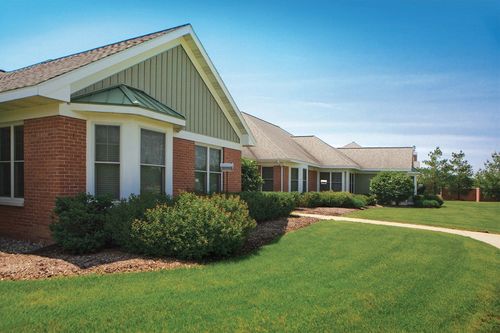
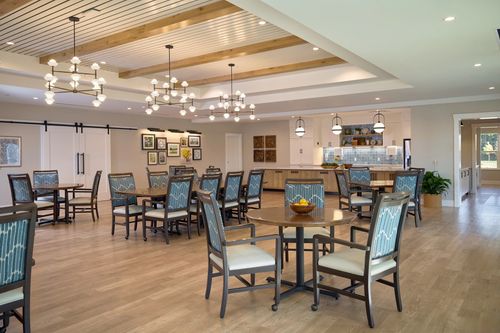

Holland sits along the shores of Lake Macatawa in western Michigan with a regional population base that maintains deep roots throughout Ottawa and Allegan counties. Local families exploring specialized memory support find a handful of local options scattered across the municipal footprint, ranging from dedicated standalone buildings to specialized wings integrated within larger residential campuses. Navigating this localized landscape means understanding how physical footprints differ, whether a community uses a secured perimeter design, and how daily staffing ratios shape the environment for individuals navigating progressive cognitive changes.
Structured Daily Routines and Specialized Support
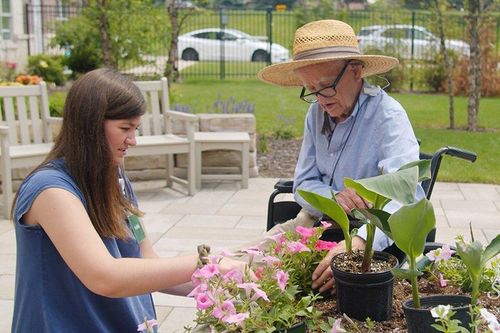
Residents within these secure local settings experience structured daily rhythms designed to minimize confusion and reduce agitation. Staff members implement predictable routines for morning waking, dining, and evening rest, which anchors each individual throughout the day. Activities focus on familiar vocational tasks, sensory stimulation, and gentle physical movement tailored to remaining functional abilities.
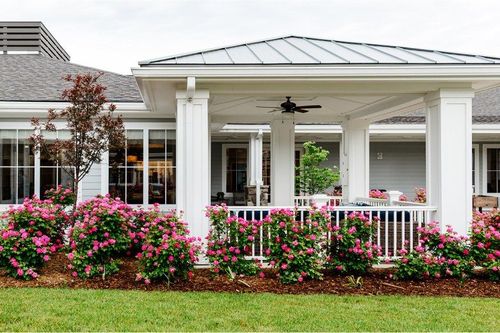
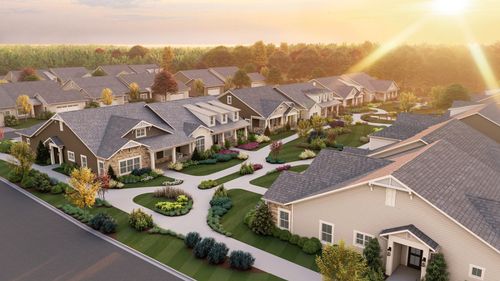
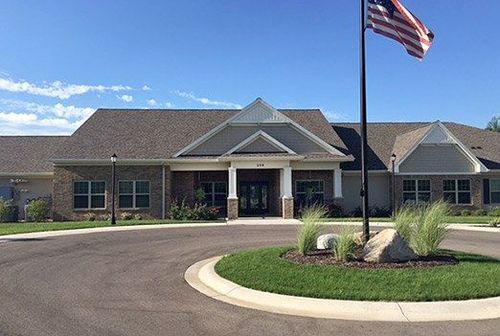
Secured environments feature alarmed doors and enclosed outdoor courtyards that permit independent wandering without safety risks. Purpose-built single-story layouts reduce the spatial confusion often triggered by multi-level hallways or elevators, helping residents locate their rooms and dining spaces with greater confidence.
Monthly Rates Across the Local Market
Local monthly fees for specialized memory support in this region span from $4,200 to $5,490 per month based on the specific community chosen and the tier of personal assistance required. Monthly billings at locations such as AHSL Holland Bay Pointe begin at $4,200, while Freedom Village Holland Assisted Living starts at $4,500 per month. Quincy Place Senior Living lists entry rates at $4,400, and The Cortland Terrace Cove begins at $4,200.
Additional care charges may apply if an individual requires extensive physical transfer assistance or specialized incontinence management beyond the base tier. Families should review baseline contracts carefully to identify which medication management tasks or specialized cognitive engagement fees are bundled into the initial monthly rate versus billed separately.
Growing Regional Demand for Memory Support
An aging demographic across Ottawa County drives steady demand for specialized dementia infrastructure within the local municipal boundaries. Adult children frequently seek local placement options to keep their parents near lifelong neighborhoods, medical providers, and familiar Dutch heritage landmarks. This localized demand means available spaces within secured residential wings fluctuate throughout the year as regional needs evolve.
Because choices remain concentrated among a select group of providers, local families often begin researching options well before an urgent transition becomes necessary. Understanding the regional supply constraints helps relatives evaluate whether a standalone cottage-style environment or a larger multi-service campus better suits their family member.
Why Relatives Choose Local Care Settings
Families select these regional memory settings to ensure safety while preserving a dignified quality of life for spouses and parents experiencing memory loss. Round-the-clock supervision prevents unsafe wandering while trained personnel handle the complex behavioral shifts associated with Alzheimer's disease and related dementias. Relatives find relief knowing professional help is immediately accessible during nighttime hours.
Proximity to local medical networks and familiar West Michigan surroundings also eases the emotional transition for visiting family members. Maintaining regular weekly visits becomes far more manageable when the destination sits within a short driving distance from local homes and workplaces.
Navigating Transitions and Finding the Right Fit
When evaluating regional memory environments, advisors help families interpret the practical differences between standalone buildings and secured wings inside larger senior complexes. They assist in mapping out financial timelines, including how private pay rates interact with future long-term care needs or when to anticipate discharge criteria changes if medical acuity shifts.
Planning around personal assets, facility admission agreements, and timing requires a clear head during an emotional period. If you are uncertain where to begin evaluating these local choices, reach out to talk it through.
Our Holland directory keeps expanding as we evaluate providers for quality and alignment in 2026. Reach out for a conversation about memory care in Holland, or browse the communities we have vetted at your own pace.