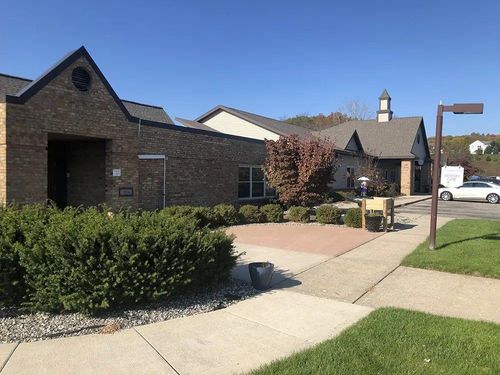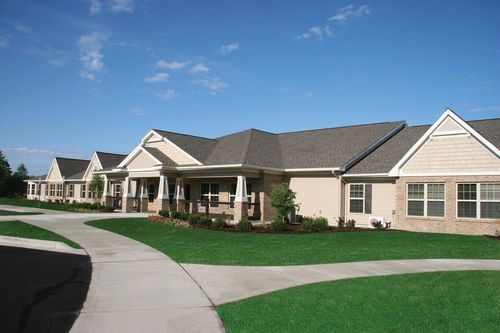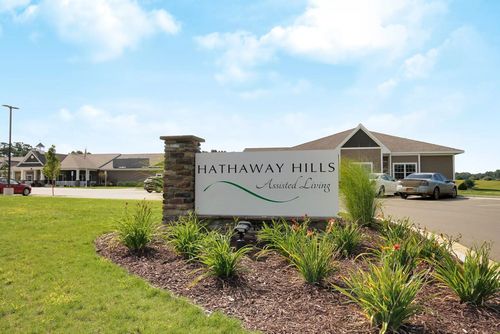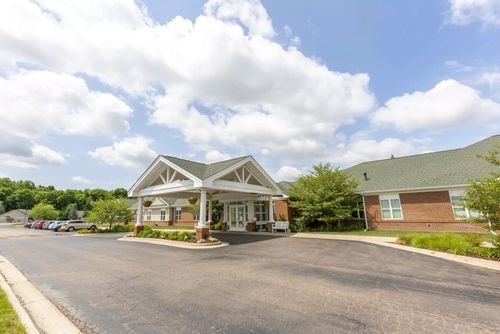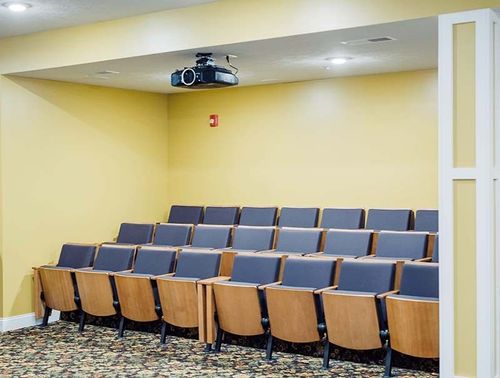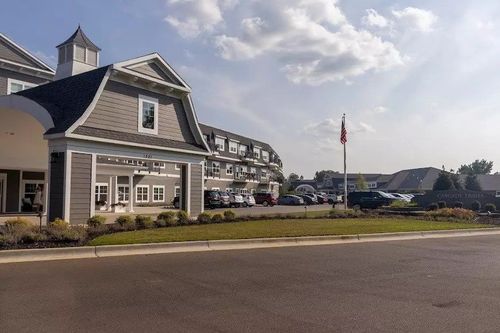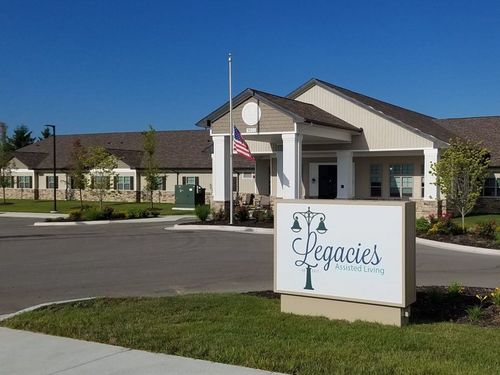
Twenty rooms carrying three care levels is an unusually complete offer for a building this size, and it is what Ionia's county seat has. Green Acres of Ionia on Commerce Lane, the 1 matching community, runs independent apartments, assisted living and secured dementia rooms under one roof, and public funding is billed there too.
For a household looking at assisted living the significance is not the range on its own but how tightly the levels sit together. The steps between them here are small by the standards of the state, which means the first change in a resident's circumstances does not arrive as a financial shock, and the last one does not require leaving the county seat.
Daily Help in a Twenty-Room Building
The care is the ordinary substance of the level: staff taking on the medication, hands-on help with washing and dressing, meals produced in one kitchen, no laundry or cleaning left to anybody's week, and cover through the night.
At twenty rooms nothing is administered at a distance. Caregivers know how each resident's day usually runs, which is what turns a small change into an early conversation rather than a later crisis, and residents at three different stages share a building without any of them being invisible. Short respite stays are offered, which in a county seat serving a wide rural catchment is worth knowing about as a bridging option as much as a trial. What twenty rooms cannot offer is a large dining room or a crowded calendar, so a resident seeking company rather than attention should weigh that plainly.
A Compressed Ladder, and a Funding Route
Assisted living here is quoted at $3,500 a month in 2026, which is low for the state and sits only a modest step above what the building charges for an apartment. The whole ladder from apartment to secured room spans a narrower range than most single-level buildings manage between their cheapest and dearest rooms.
That compression is the practical argument for the building. A household can see the cost of every future stage in one conversation and plan against it rather than guessing. The Medicaid participation matters for the same reason: in a rural county where one building carries this much range, a funding route that survives a spend-down is worth more than a lower headline rate. Michigan's waiver pays toward the care rather than the accommodation, and it needs both a financial review and a nursing-facility level-of-care finding.
One Building for a Wide Rural Catchment
Ionia County's share of residents past sixty-five is lighter than most of the counties around it, close to seventeen percent. Against that, a twenty-room building at the county seat serves a wide rural catchment rather than the town alone.
Range and slack are opposites here, because with the building carrying three levels inside twenty rooms, households at several different stages want space in it simultaneously, and availability is tighter than a room count suggests. Touring early, completing an assessment and using the respite option deliberately are what turn that from a problem into a plan.
A County Hospital Newer Than Most
The hospital here is newer than most rural hospitals in Michigan. University of Michigan Health-Sparrow Ionia opened on South State Road in 2015 as a critical access hospital, running an emergency department around the clock alongside imaging, oncology and surgical services, and an ambulatory clinic centre has been approved for construction next to it, which will widen what the town handles locally.
Beyond the critical access remit, Ionia sits roughly midway between Lansing and Grand Rapids on the interstate, so the larger campuses in both directions are reachable without either being the default. For an assisted living resident that means routine care stays in town and the specialist work goes whichever way their own physicians already point.
What a Local Advisor Brings to Ionia
Where one building carries three levels, the useful questions are about sequence and money together. A Local Senior Advisor covering Ionia County can report vacancies tier by tier, the criteria the building applies when a resident moves up, and the true state of its publicly funded capacity as opposed to the fact of participation.
The timing question follows from that, since entering early makes the later moves internal rather than disruptive, and because the funding process runs longer than households expect, starting the conversation while a resident is still managing well is what keeps every option open. It is worth a short conversation now rather than a scramble later.
Our directory for Ionia continues to grow as we evaluate providers for quality and alignment in 2026. Reach out for a conversation about assisted living in Ionia, or look through the communities we have vetted at your own pace.