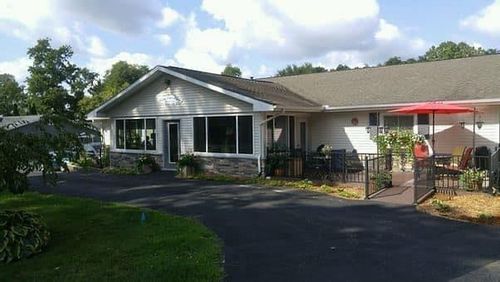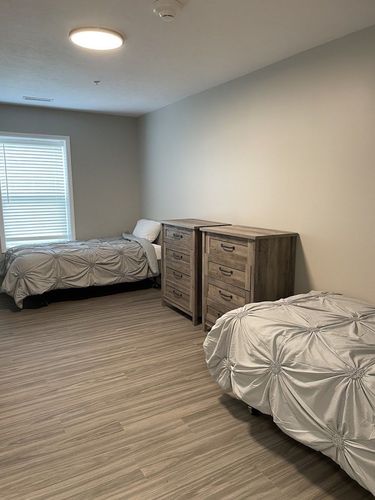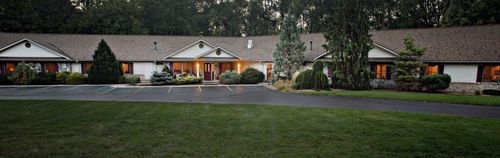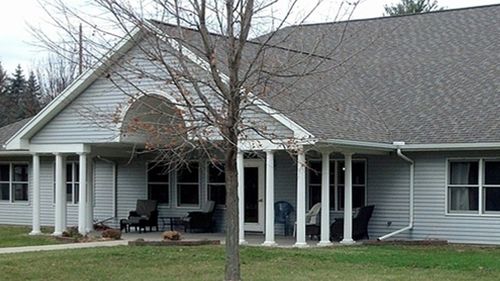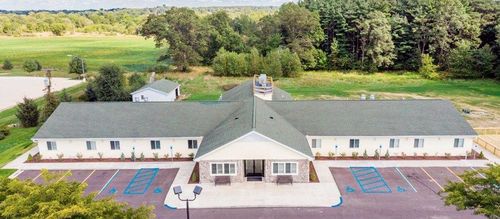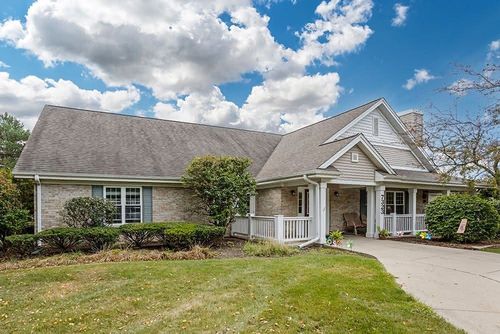
A city search turns up large buildings, because those are the ones with signage on the main roads and marketing budgets behind them. Lansing holds the other kind of setting as well, quietly. Bridgeway Park Senior Living is a home rather than an apartment complex, licensed under the same adult foster care rules that cover the small houses out in Eaton and Clinton counties, and it sits inside the metropolitan area rather than beyond it. For a household wanting a small setting without moving a parent away from the people who visit on a weekday evening, that combination is the whole point.
What Small Looks Like Inside a City
The licensing vocabulary is where most families first get lost. Michigan issues one kind of license to small residential settings, under rules it calls adult foster care, and another to large buildings, as homes for the aged. Neither is called assisted living, because the state licenses nothing by that name. What the smaller license actually covers is a household: a bedroom rather than an apartment, one kitchen feeding everybody, caregivers simply present rather than paged.
The assistance is custodial: washing and dressing, staying steady on the way to a chair, the right tablets at the right hour, clean laundry, and somebody in the building all night. What the license does not stretch to is clinical treatment, which means a resident who has begun needing a nurse daily has moved beyond what this kind of home may lawfully provide. The counterweight deserves saying plainly, because Lansing has excellent large communities: a bigger building runs a fuller week, puts more people around a table and keeps more staff on duty at once, and for a resident who wants that, bigger is genuinely better rather than a consolation.
Cost, and Why the City Version Is Not Automatically Dearer
The published starting figure is $3,790 a month, which corrects the assumption that a small setting inside a metro area must cost more than a large one. What drives the number in a house this size is the resident, since caregiving hours are the dominant expense and one person needing two staff at every transfer takes a share of a small rota that a sixty-apartment building would absorb unnoticed. Room type moves the figure as well, a private bedroom costing more than a shared one.
Funding is overwhelmingly private here: a pension, savings, or the proceeds of a house that no longer suits anybody. Where a long-term-care policy exists, its own schedule governs what it will pay toward a licensed home. Michigan contributes on two fronts for those who qualify: MI Choice funds the services a resident receives while the housing share stays with them, and a state payment is added each month to the federal disability income of anyone in a licensed home, aimed at exactly that share.
What to Establish Before Committing
The state approval the home holds is where to begin, since its terms set the ceiling on how long any arrangement can last and no amount of walking round the house will reveal them. Michigan names the categories of resident need each home may serve, and how far into dementia a house may continue is written there rather than decided informally. Raising it at the start is what spares a household a second relocation at the point a resident has least capacity to absorb one.
After that, four concrete things settle the question between one house and another. Which bedroom has genuinely come free, as opposed to which ones exist on paper. Whether the overnight caregiver is awake on duty or asleep on the premises. Whether a walker clears the bathroom door without becoming a maneuver. And, this being a city rather than a village, how parking and visiting work on an ordinary Tuesday evening, since a house on a residential street is a different proposition from a building with a lot.
The Part That Is Not on the Internet
Small licensed homes are close to invisible online even in a city of this size. They carry no marketing and post no vacancies, and one resident arriving or leaving changes the position entirely, so whatever a search engine shows about availability may have stopped being accurate weeks ago.
An advisor covering the Lansing area holds the current answer and puts the approval question up front, so a family learns at the beginning what degree of need this home may serve and whether a bedroom has actually opened. Where either answer is no, hearing it in conversation beats discovering it after a visit, and anyone weighing a small setting against the larger Lansing communities is welcome to reach out and work the comparison through first.
Our directory for Lansing continues to grow as we evaluate providers for quality and alignment in 2026. Start the conversation about residential care homes in Lansing, or look through the buildings we cover at your own pace.