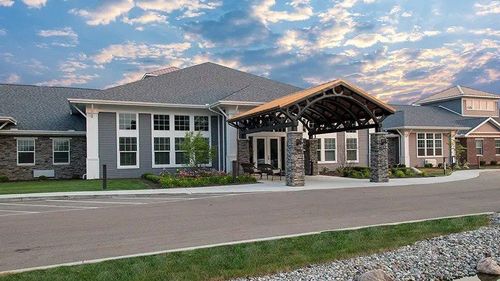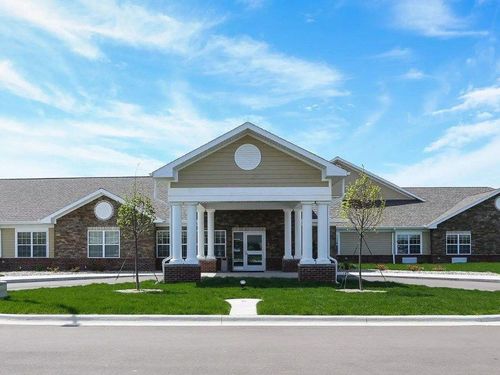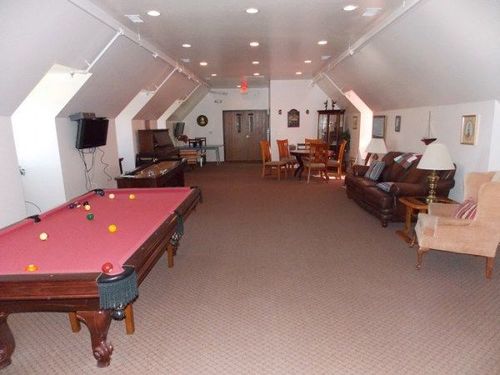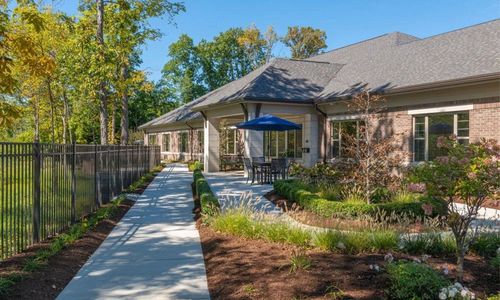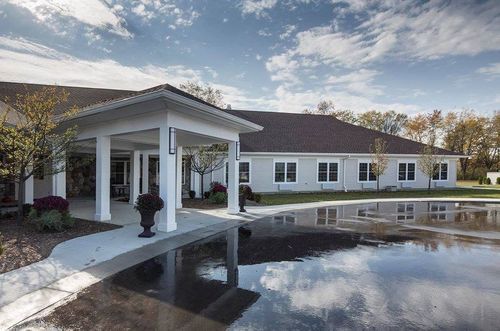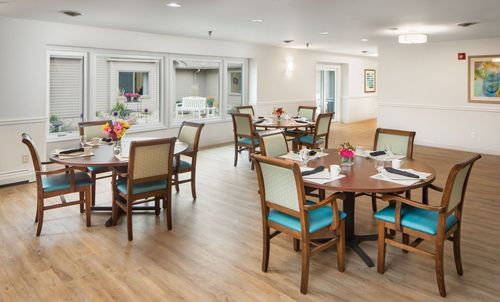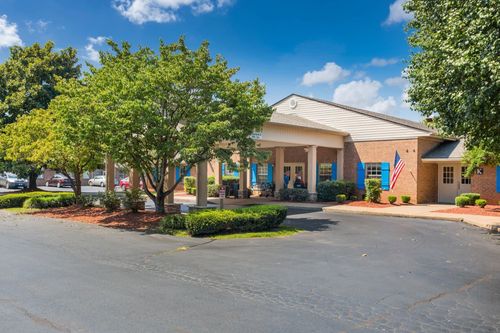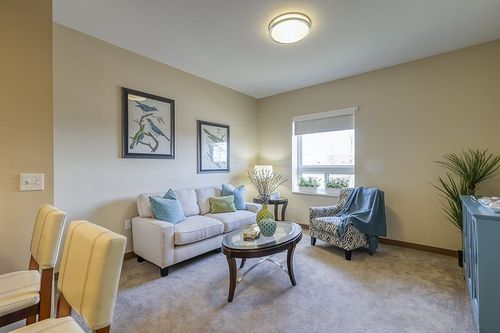
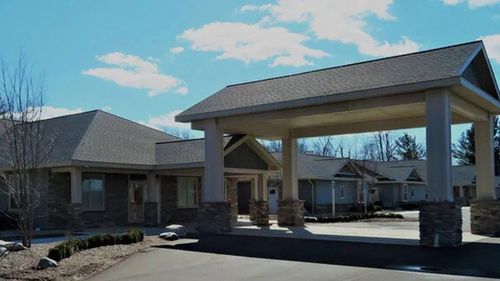
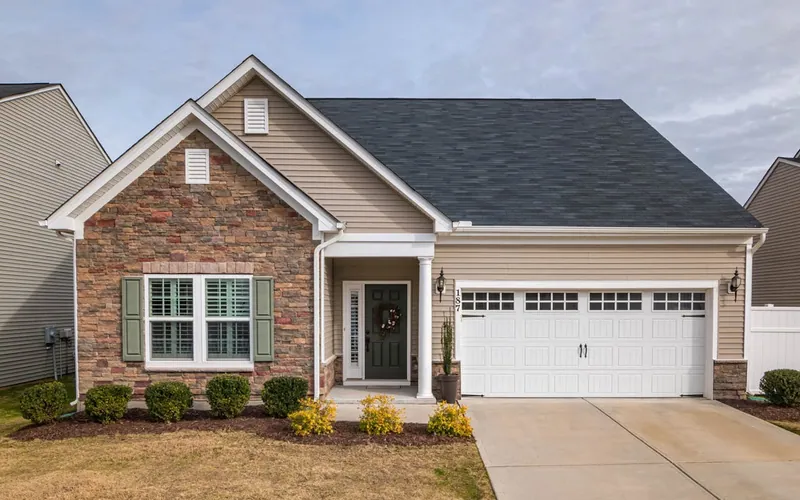
Lapeer County gives a dementia diagnosis somewhere to go, and more than one somewhere. Secured support here runs across settings that start at nineteen beds and reach forty-five, with addresses in the city of Lapeer and in Imlay City, so the decision is between kinds of building rather than between one option and a search outside the county.
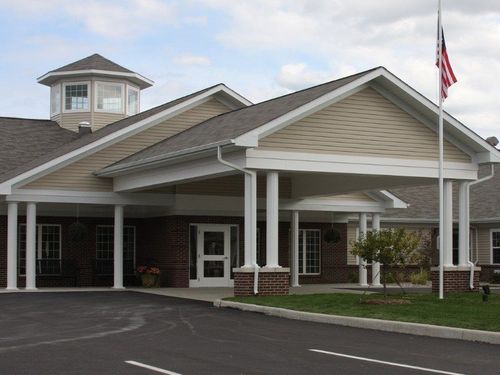
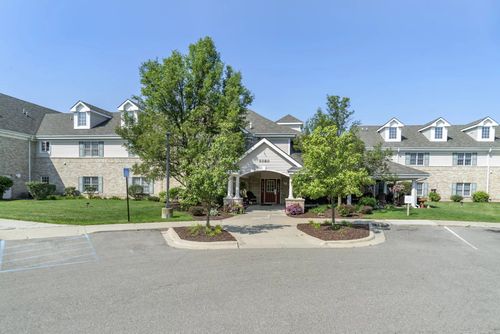
That range matters more than it would for any other care type, because for a person losing their bearings the size of a place is not a matter of taste. Whispering Pines Adult Foster Care Home, Lapeer Comfort Care I, Serene Gardens of Imlay City II and Devonshire Retirement Village Specialized Care sit at different points on that scale.
Matching the Person to the Size of the Setting
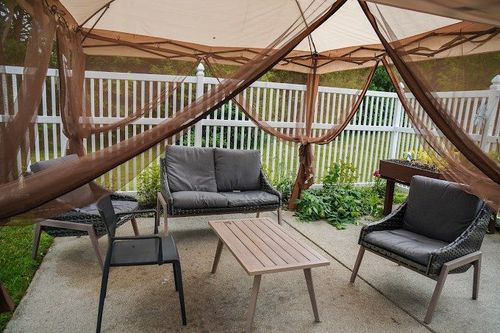
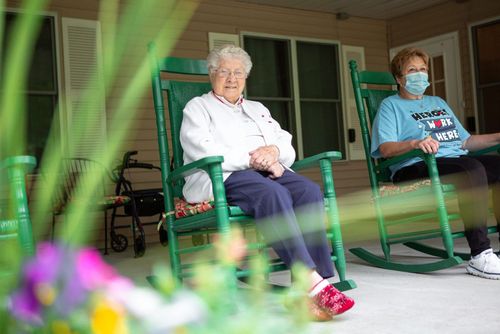
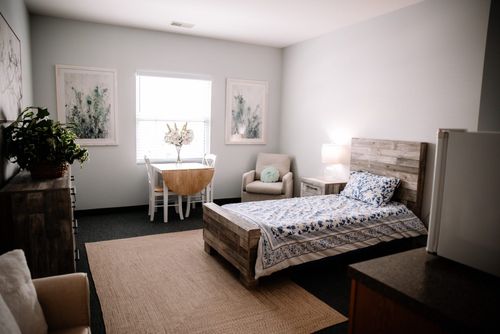
A small home works by familiarity: everyone eats at the same table, the same few caregivers appear all day, and there is not enough building to get lost in, which suits a resident who becomes anxious in crowds or who needs the world made smaller.
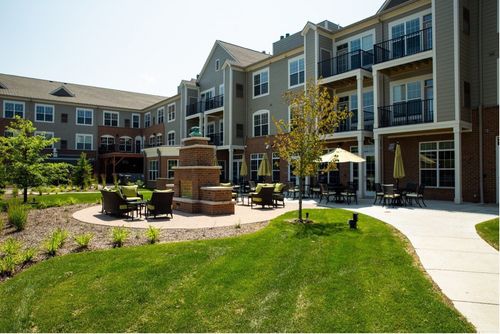
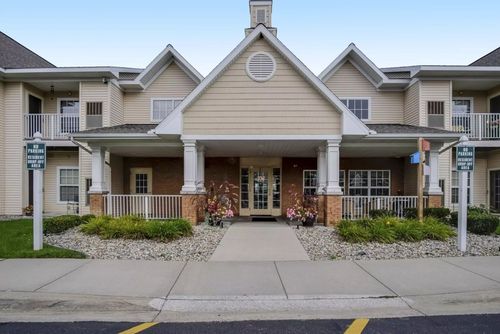
A larger community works by structure, running more activity through a day, staffing more people on a shift, and giving a resident who is still socially active somewhere to walk and someone new to talk to, which matters in the earlier and middle stages when withdrawal is the real risk. Both models deliver the same fundamentals, including secured doors, dementia-trained caregivers, fixed daily rhythms and staff awake overnight. Ask each how it handles a resident who paces, refuses a meal or becomes distressed late in the day; those answers separate the buildings faster than anything else a visit reveals.
Michigan's Two Licences, and What They Cost Here
Entry rates in the county start at $3,000 a month and reach $4,200, and secured dementia support prices above whichever figure a building publishes, since it takes more caregivers per resident and specific training.
The licence a building holds shapes what it can offer. Michigan runs no assisted living licence at all: smaller houses operate as adult foster care homes and larger buildings as homes for the aged, and both can provide secured dementia care within the limits of their staffing, so neither category is inherently better. What matters more is that no Lapeer County building takes Medicaid today. Dementia care here is funded privately, and since the condition is measured in years, the length of that runway deserves working out before a deposit rather than after.
A County of 89,000 With a Commuter's Geography
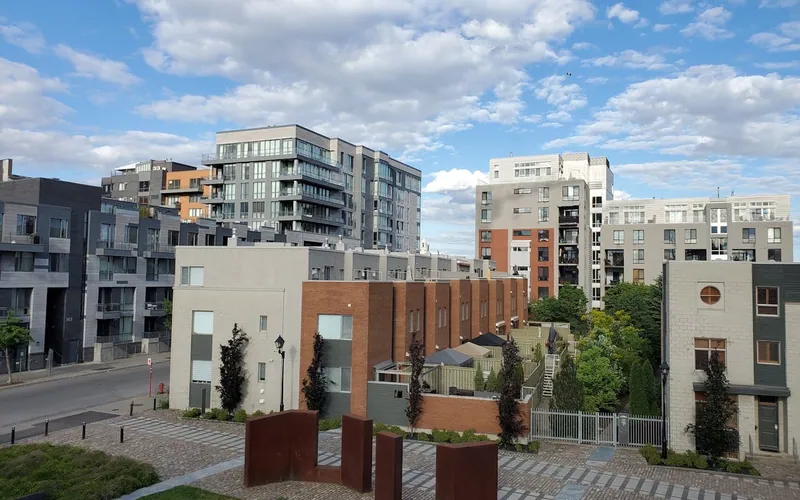
Lapeer County holds about 89,168 people and 21.4 percent of them are past 65, many having spent their working lives commuting west toward Flint or south into the Detroit suburbs before retiring in the same townships they raised families in. The result is a large retirement-age population spread across a wide county rather than gathered into one town.
Secured rooms are a fraction of that senior living picture and they do not multiply when demand rises. Openings come from turnover, they appear at one address and not another, and the families who start early rather than after home care collapses are the ones choosing between settings instead of taking what is free.
Why the Search Usually Stays in the County
Medical continuity is the practical reason, since McLaren Lapeer Region carries a verified Level II trauma centre along with emergency care, imaging and rehabilitation, and it is the hospital these families already use, so a move into secured care a few miles away changes nothing about where a resident is treated. Anything needing a Level I centre routes to Hurley Medical Center in Flint, half an hour west on M-21.
Visiting is the stronger one, because fifteen minutes of driving supports a habit and an hour of it does not, and with dementia the habit is what counts, because a familiar face arriving most days steadies a resident in a way a long Sunday visit never quite manages. With addresses in both Lapeer and Imlay City, most county families can reach one inside that shorter radius.
Sorting Four Very Different Buildings
Choosing between a small adult foster care home and a larger community is not a comparison a website supports. What separates them week to week is whether a secured room stands open, what the secured tier actually prices at once an assessment is done, how long the caregivers have stayed, and how each building has handled residents whose dementia advanced further than anyone expected.
Someone who visits these buildings holds those answers, along with the harder one about how many years private funds stretch in a county without a Medicaid-participating address. If a diagnosis has landed and the next step is unclear, reach out before the choice narrows itself.
Our directory for Lapeer County continues to grow as we evaluate providers for quality and alignment in 2026. Start the conversation about memory care in Lapeer County, or scan the buildings we cover at your own pace.