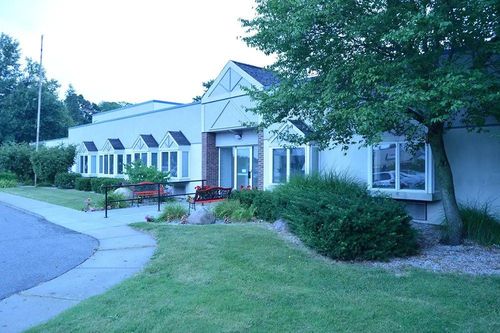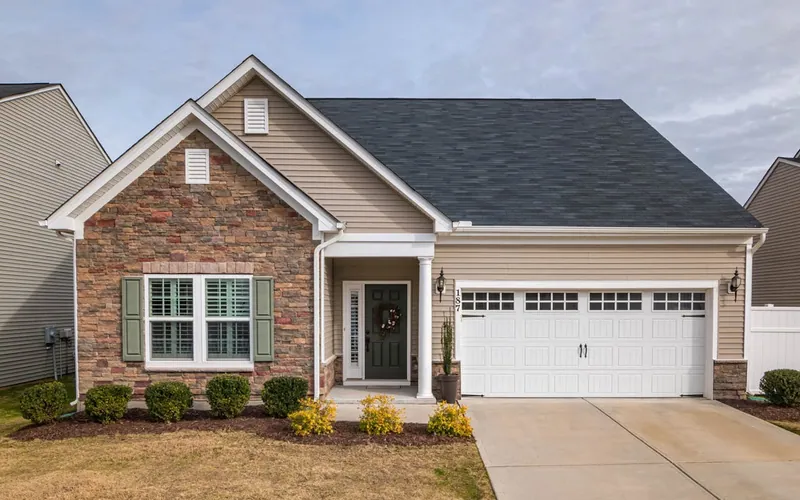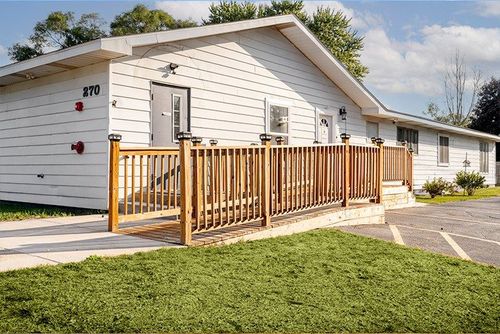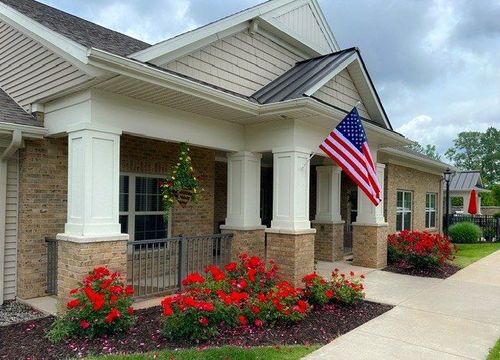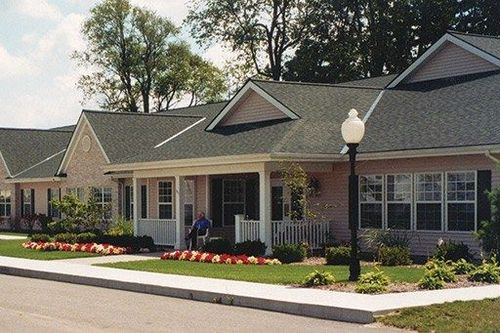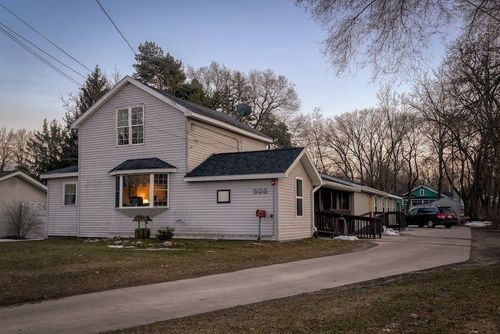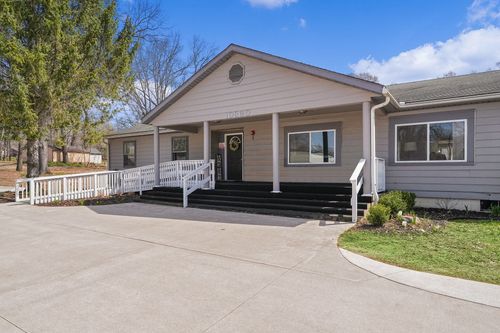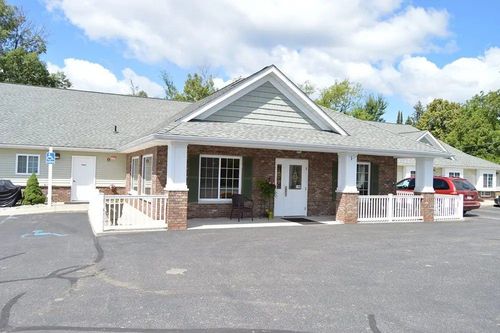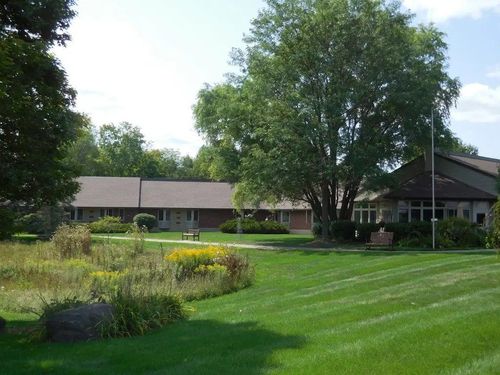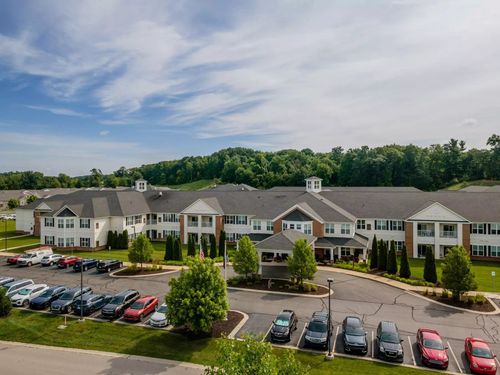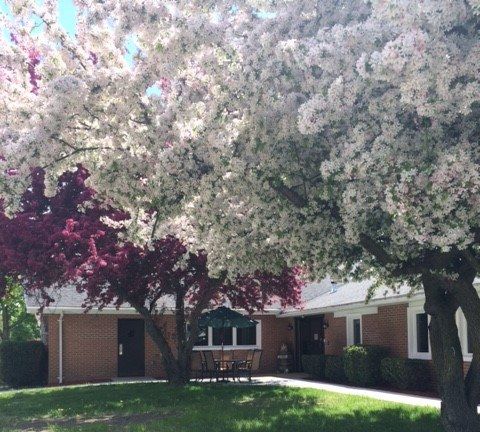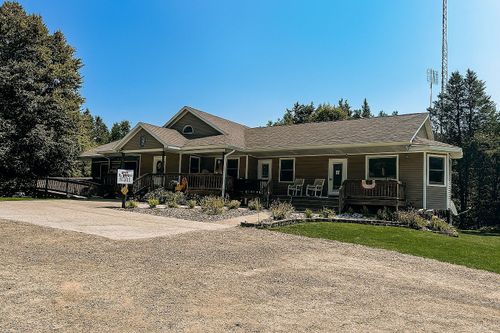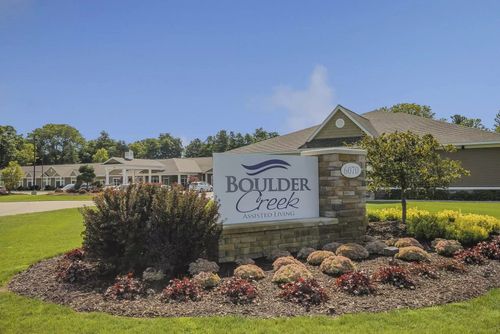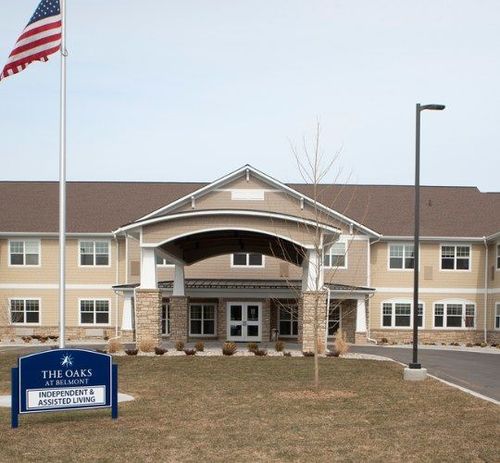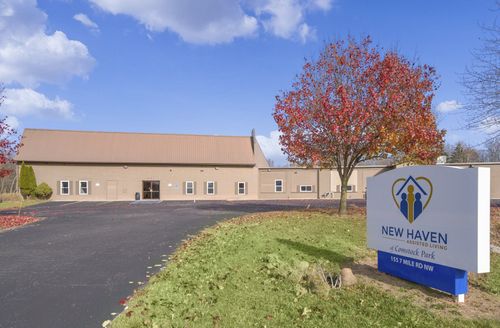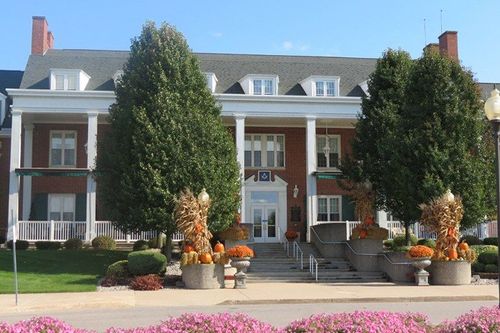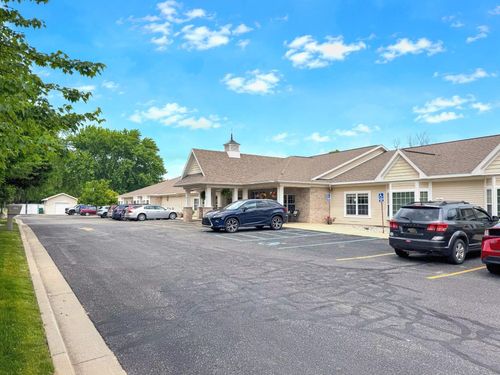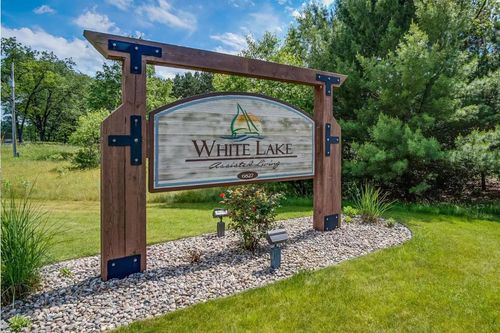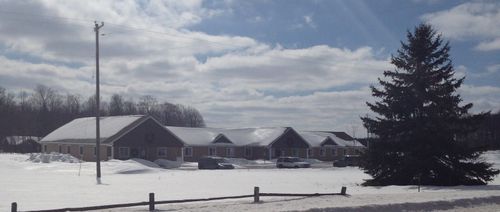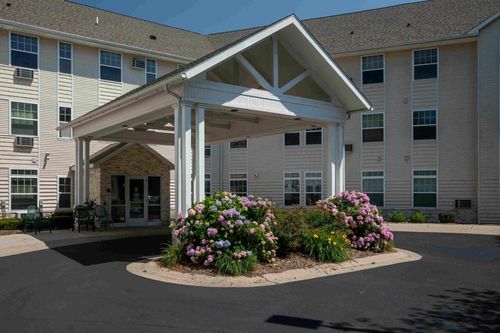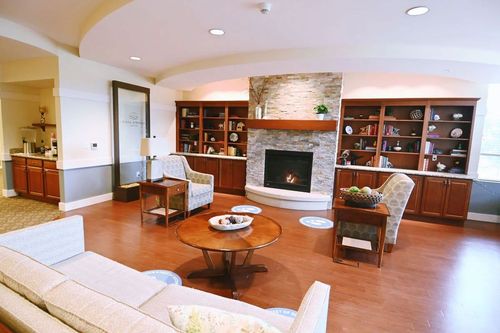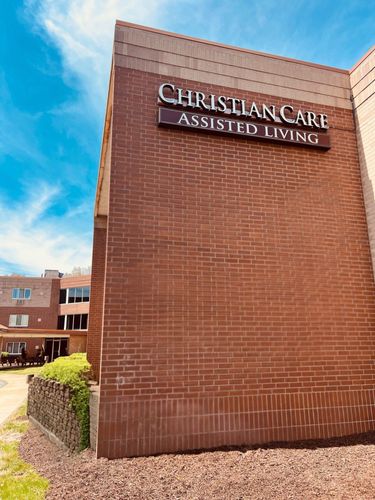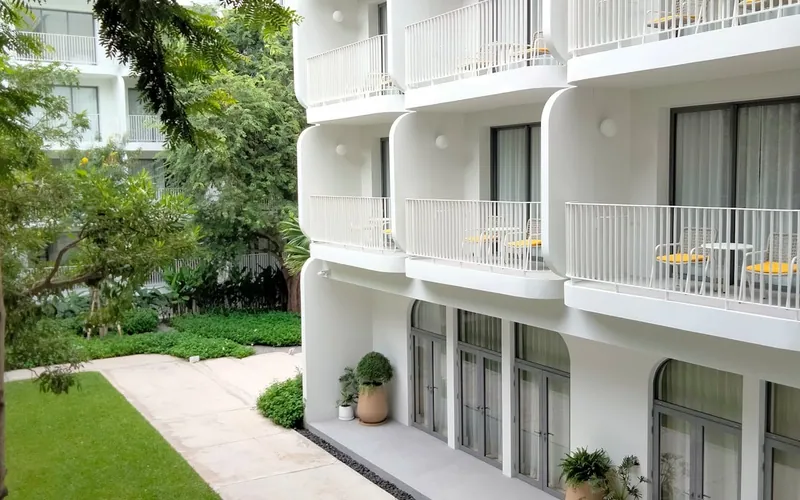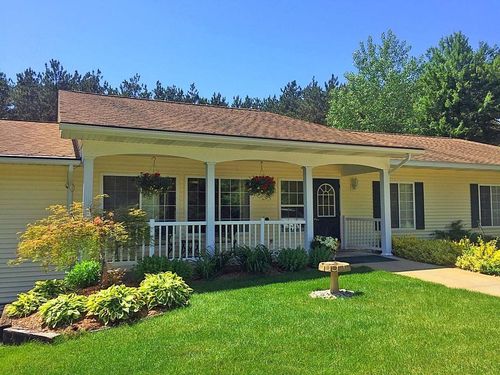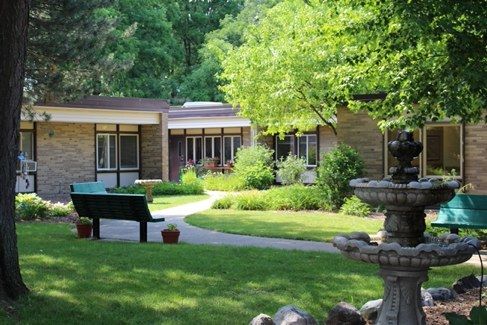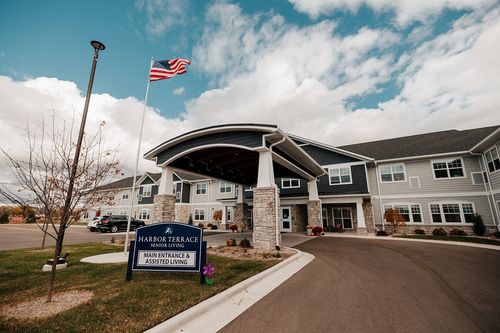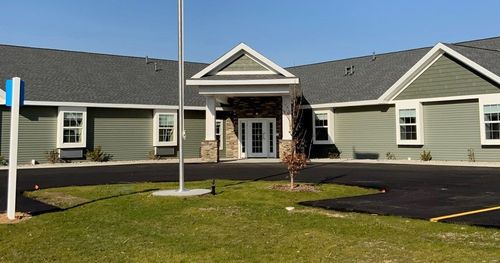
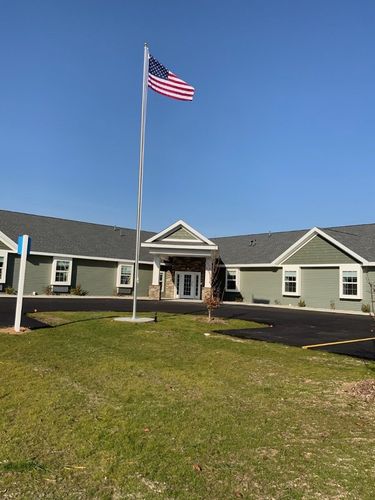
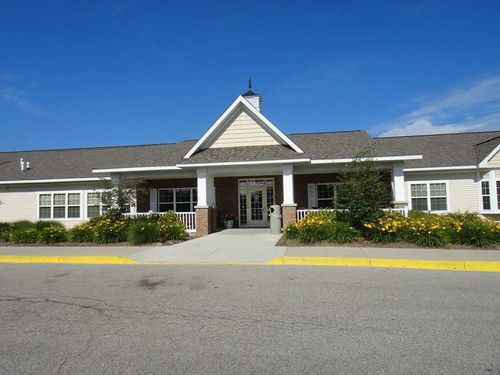
Mecosta County's median age reads as forty, younger than most of rural Michigan, which says more about Ferris State University's enrolment than about who actually needs care here. The county's assisted living tells the truer story, and all of it sits in Big Rapids: Evergreen Terrace Assisted Living at $3,800 a month, Big Rapids Fields II Assisted Living at $4,200 and Big Rapids Fields Assisted Living at $4,400.
Having the whole field inside one town changes the nature of the decision. Nobody is weighing a forty-minute drive against a better fit, so the comparison comes down to the buildings themselves and to which one a particular person will settle into.
Support That Sits Minutes From the Hospital
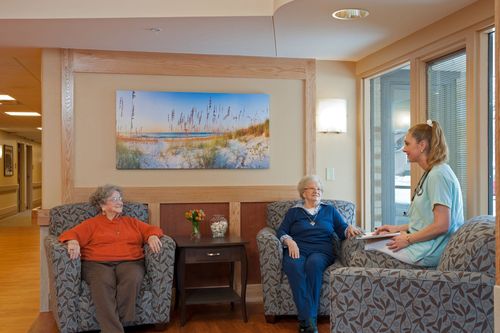
The core of assisted living is the same at each address: a private room, meals in a shared dining room, laundry and housekeeping handled, staff on hand for bathing, dressing and moving safely around, and medication support that runs anywhere from a prompt to a trained aide administering each dose.
What Big Rapids adds is medical proximity, with Corewell Health Big Rapids Hospital in town alongside its emergency department and a second Corewell campus on 215th Avenue carries radiology, laboratory work, physical therapy, urgent care and family medicine, so a resident whose health wobbles can be seen and reassessed inside an afternoon rather than losing a day to travel. That matters most in the ordinary situations, a urinary infection that scrambles someone's thinking, a medication that needs adjusting, a fall that needs an X-ray, where speed of response decides whether a resident stays put or ends up admitted.
Six Hundred Dollars of Spread, and What Sits Inside It
The county's three published rates fall within six hundred dollars of one another, which is a narrow band by Michigan standards. What separates them is mostly the setting: one runs as a smaller residential home, the others as community buildings, and space, room type and the age of the building account for most of the difference.
Care is priced separately from the room at every address. An assessment before move-in sets a monthly care charge on top of the published rate, and for a resident needing help with transfers or full medication administration that charge can outweigh the entire gap between the cheapest and dearest building. No Mecosta County community accepts Medicaid, so this is private funding for the duration; asking each building what its highest care tier costs, not just its entry rate, is what makes a long-range budget honest.
Eight Thousand Residents Past Retirement
Strip out the student population and Mecosta County holds 8,641 people over 65 in a county of 41,722, drawn from Big Rapids itself and from the surrounding townships and lake communities. That is a substantial demand base for a field this size.
Openings arrive through turnover rather than construction, and because every building shares one town they also share one pool of families. A room that opens is usually spoken for by someone who toured months earlier, which is the argument for visiting before there is any urgency and asking to be kept in mind.
Why Big Rapids Holds Its Own Families
The town works as a service hub in a way that punches above its size, with clinics, pharmacies, shops and a college keeping the place busier and better supplied than a county of forty thousand would otherwise support. For a resident moving out of a farmhouse or a lake cottage into assisted living, that means the errands, the appointments and the familiar faces stay within a few minutes.
The geography helps the visiting side too, since Grand Rapids sits about 57 miles south and Cadillac 42 miles north, so families arriving from either direction reach Big Rapids in about an hour, and specialist care beyond what the local campuses cover routes south without anyone changing where they live. Caregivers here are often local, some trained through the university's clinical programs, which tends to show up as staff who stay.
Comparing the Field in One Town
Because every address sits within a few minutes of the others, families can see everything in a morning, which makes the remaining question a matter of information rather than logistics: which building has a room now, what the care charge adds to each published rate, how long the staff have been in place, and how each handles a resident whose needs grow.
None of that is published anywhere, and it changes month to month. Someone who visits these buildings regularly carries the current version, along with a realistic view of what the private-pay road looks like in a county with no Medicaid-participating address. Before booking three tours in a morning, a short conversation will tell you which questions to bring to each one.
We keep expanding our Mecosta County coverage as we evaluate providers for quality and alignment in 2026. Reach out for a conversation about assisted living in Mecosta County, or look through the communities we have vetted at your own pace.