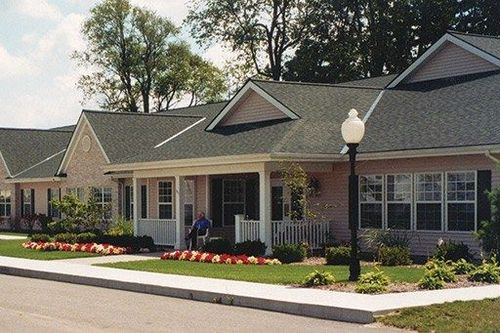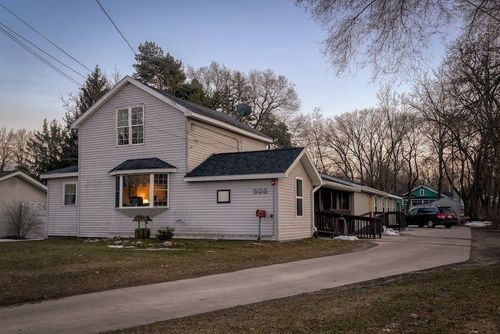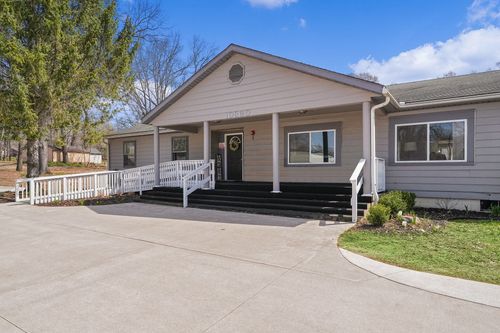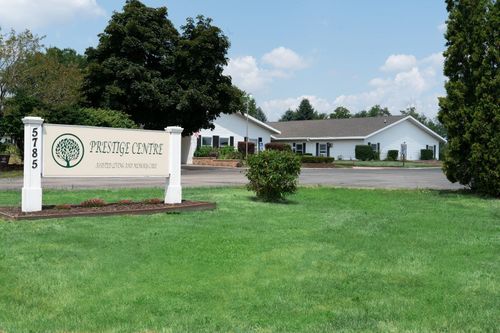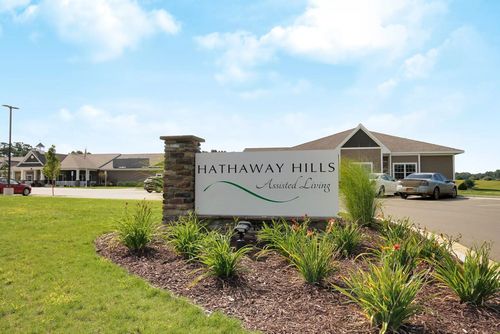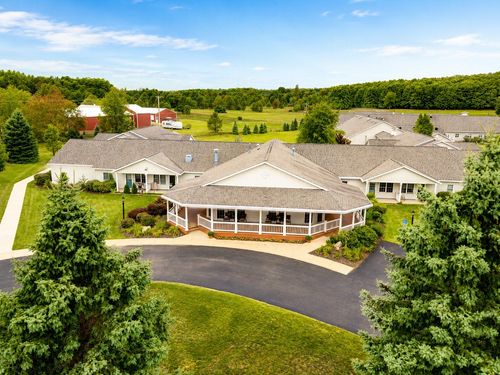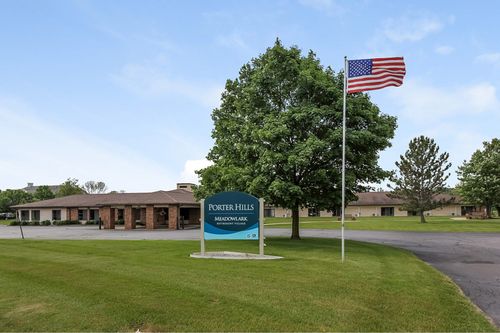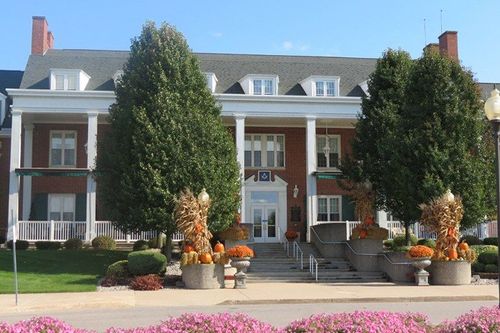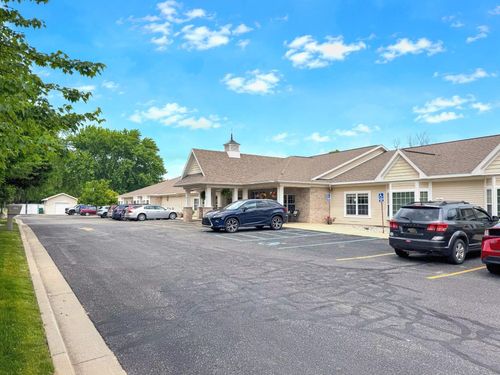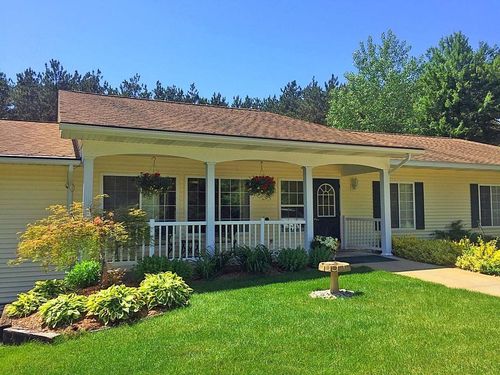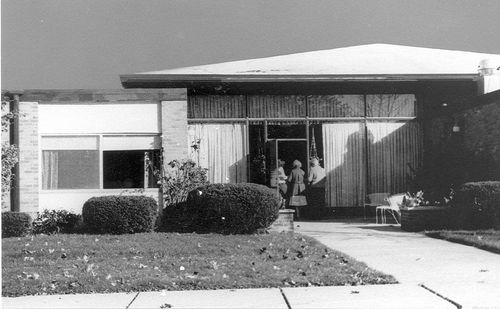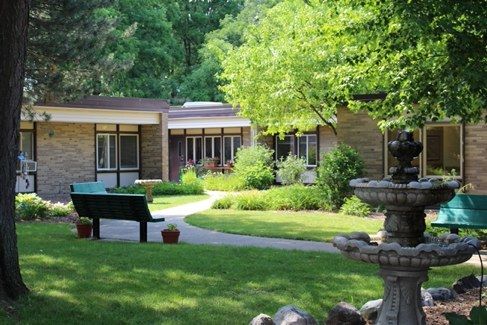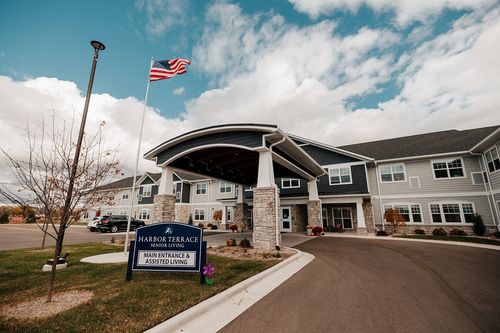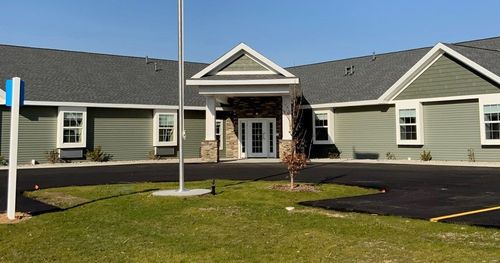
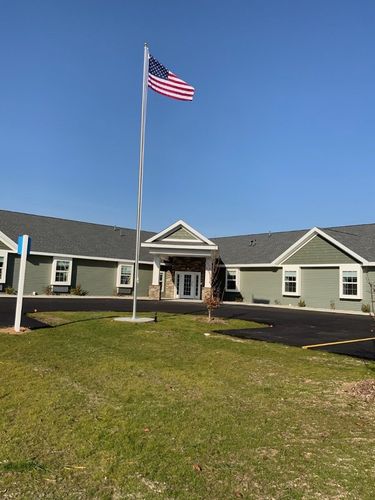
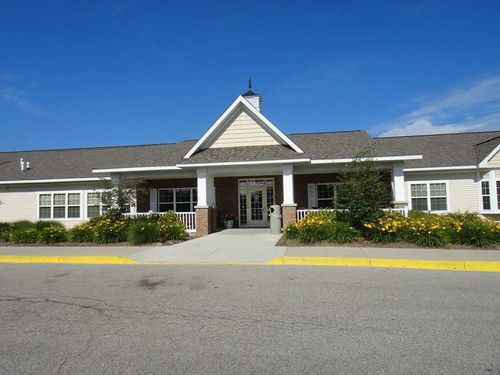
Dementia care generates a lot of appointments, and Big Rapids handles them without a day on the road. Cognitive assessments, medication reviews and the ordinary complications that come with the disease run through Corewell Health Big Rapids Hospital and the second Corewell campus on 215th Avenue, both minutes from Evergreen Terrace Assisted Living, Big Rapids Fields II Assisted Living and Big Rapids Fields Assisted Living.
Every one of those addresses carries secured dementia support alongside its assisted living, which shapes the whole decision here. A resident is rarely choosing a memory care building from scratch; more often they are choosing a building where they will start on one side and, in time, move to the other.
What Changes When a Resident Moves to the Secured Side
The step is smaller than families expect and more significant than it looks. The staffing ratio increases, the caregivers working that area carry dementia-specific training, exterior doors alarm or lock so that an attempt to leave brings a caregiver rather than an open road, and the day runs on fixed hours that nobody is asked to remember.
The subtler change is pace, because a secured area runs slower deliberately: fewer choices at once, shorter sessions, meals given the time they take, and caregivers who redirect rather than correct a resident who has the year wrong. Ask each building when it makes that recommendation, how it involves the family, and what happens on the days a resident refuses care or becomes distressed as the light goes. The answers say more than a walk through an empty room ever will.
Pricing the Secured Tier Before You Need It
Published figures in Big Rapids run from $3,800 to $4,400 a month, and every one of them describes assisted living rather than secured care. Dementia support is priced above whichever of those a family starts from.
Since almost every resident here arrives on the assisted living side, that second number is the one worth having early, ideally before choosing a building at all. Ask all three what the secured tier costs today, not just what the entry rate is, because a household choosing on the entry figures may be choosing a different order entirely once the secured rates are laid beside them. None of the three participates in Medicaid, so dementia care in this county runs on private funds for its full length, and that length is measured in years.
Demand That Does Not Show Up in the Age Statistics
Mecosta County's secured capacity is unusually well distributed for a rural county, since every local building carries it rather than one address holding it all. That breadth is genuine and it does not mean rooms are plentiful.
Secured space is a portion of each building rather than a separate wing waiting to be filled, so it opens when a resident moves on and not otherwise. Families already known to a building, because a parent lives there on the assisted living side or because they toured months earlier, are the ones told first. Starting the conversation when memory changes first appear rather than when they become unmanageable is what keeps a real choice available.
Why Dementia Care Stays in Big Rapids
Visiting decides it for most families, since when every building sits inside the same town a spouse or an adult child can come after work without turning it into an event, and frequency is what steadies a resident through the middle stages. Familiar staff help in a way that is hard to quantify: caregivers here are largely local, and one who knows the same roads and the same winters has material to work with when a conversation drifts.
Specialist care remains reachable without moving anyone, since neurology and other appointments route south to Grand Rapids, about 57 miles, on the same pattern the family already uses, so a diagnosis does not rewrite where a resident lives.
Getting the Order Right
A whole local field offering both levels in one town is a good problem, and it is still a problem, because the useful comparison is not which building is nicest today but which one a family would want a parent in two years from now. That means secured-tier pricing, current openings on the secured side, staff tenure, and each building's record with residents whose dementia advanced quickly.
Those facts move month to month and none of them is published. Someone who visits these buildings regularly holds the current version and can also work through the private-pay arithmetic that a county without a Medicaid-participating address forces on every family. If memory changes have started and nothing is decided, reach out early enough that the choice is still yours to make.
Our Mecosta County directory keeps expanding as we evaluate providers for quality and alignment in 2026. Reach out for a conversation about memory care in Mecosta County, or look through the communities we have vetted at your own pace.