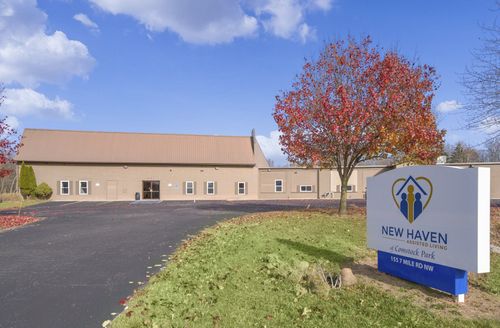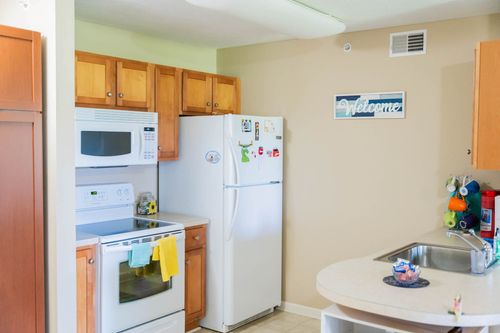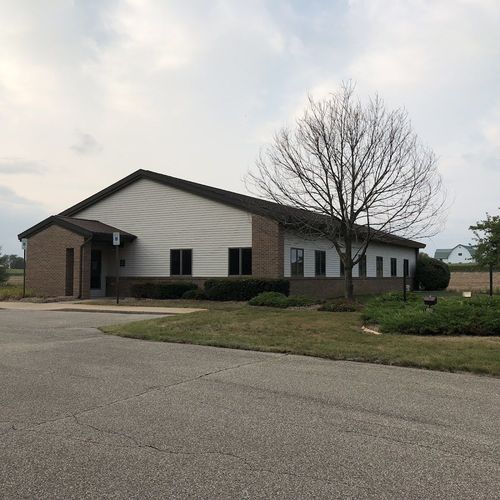
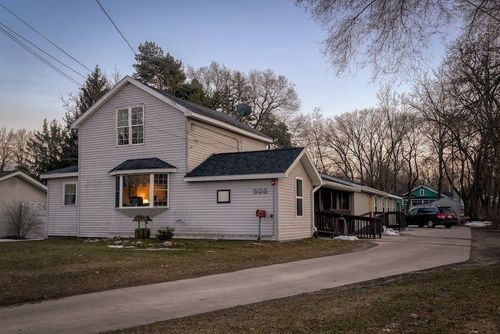
Montcalm County spans rural stretches and small industrial pockets across central Michigan, anchored by communities like Greenville and Stanton where local families navigate aging in place. Within this regional footprint, a handful of residential care options support older adults who need daily assistance rather than skilled nursing. Finding the right environment involves looking closely at how local properties operate day to day, from small homes housing ten residents to larger regional centers accommodating up to sixty-five individuals. Families weighing these choices must balance personal care needs against the distinct character of each property, evaluating how well a local setting aligns with an older relative's daily rhythms and changing health requirements over time.
Daily Support Rhythms Inside Local Residences
Morning routines across these Michigan properties typically start with staff members assisting residents out of bed and preparing for breakfast in communal dining rooms. Caregivers stand ready with medication management, personal grooming help, and physical support during transfers through hallways and common spaces.
Afternoon hours shift toward quieter social engagements or individual pastimes within structured living areas. Staff check in regularly to ensure hydration and comfort while maintaining an atmosphere that respects personal independence.
Financial Realities of Regional Care
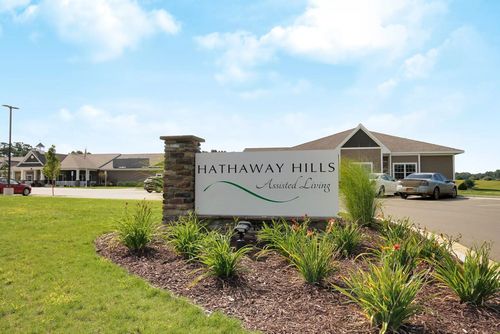
Monthly costs for assisted living in this part of Michigan span a defined local baseline ranging from $4,100 to $5,493 depending on the chosen floor plan and support tier. Specific starting figures appear at properties like Hathaway Hills Assisted Living & Memory Care at $4,150 per month, Golden Life Assisted Living at $4,200 per month, and Green Acres of Greenville at $4,450 per month, while other locations like Country House Care structure rates upon individual assessment.
Budget planning requires families to examine whether base fees cover core medication administration or if higher tiers apply as personal care requirements expand. Understanding these financial structures prevents unexpected cost increases down the road.
Aging Demographics Across Rural Townships
An expanding population of older adults throughout these townships drives steady local inquiries for assisted living placements. Many long-time residents prefer staying close to familiar agricultural roots and lifelong neighbors rather than relocating toward major metropolitan centers.
This regional preference places a premium on local openings, meaning availability shifts quickly as families secure placements for parents or spouses. Recognizing this local demand helps relatives act decisively when a suitable vacancy arises.
Weighing Regional Placement Choices
Relatives often pursue localized care when managing chronic support needs becomes unsafe within a traditional farmhouse or suburban ranch. Having professional staff available around the clock relieves the exhaustion common among family caregivers trying to manage medications and mobility alone.
Choosing a nearby residence also preserves weekly visits from children and grandchildren living in neighboring counties. Proximity ensures that family bonds remain strong without hours of highway driving.
Local Guidance Through Transitions
Navigating current openings and matching a relative's care needs to the right regional building requires careful timing. A local advisor tracks shifting availability across these specific properties while helping families understand financial boundaries and discharge coordination from regional hospitals.
When paperwork feels overwhelming or timelines press hard after a sudden health shift, a short conversation can help talk it through.
Our Montcalm County directory keeps expanding as we evaluate providers for quality and alignment in 2026. Start the conversation about assisted living in Montcalm County, or scan the buildings we cover at your own pace.