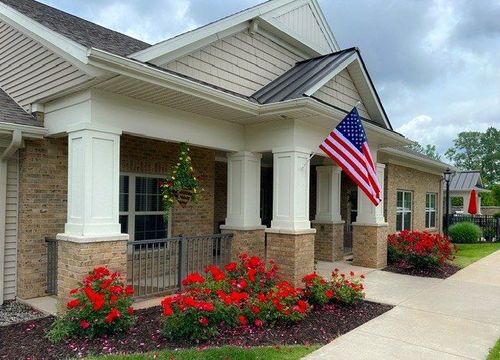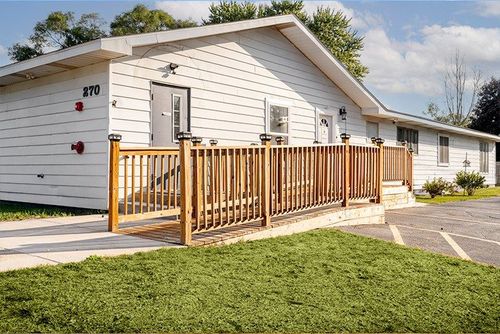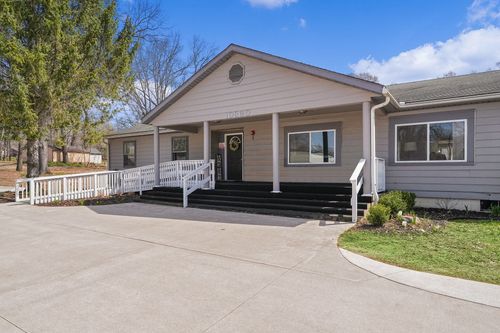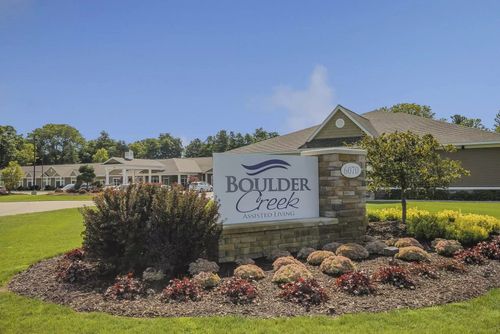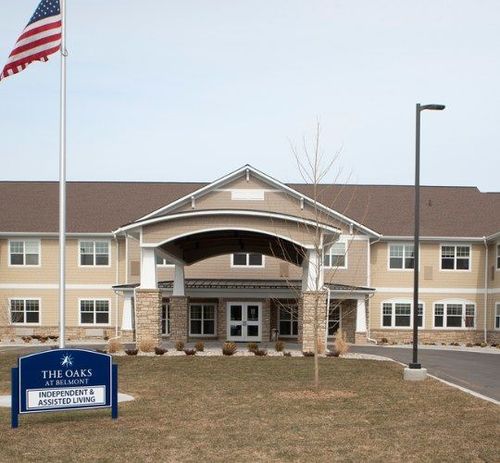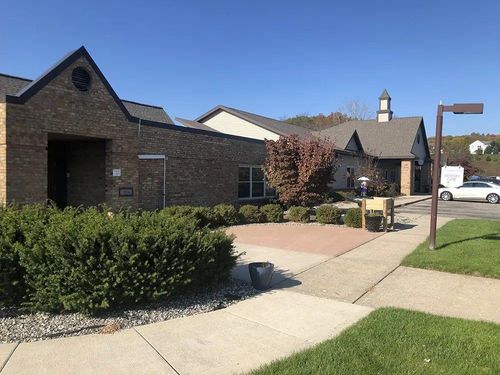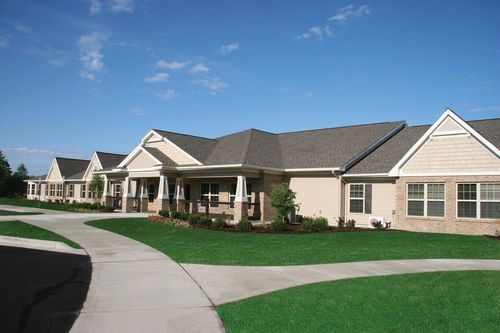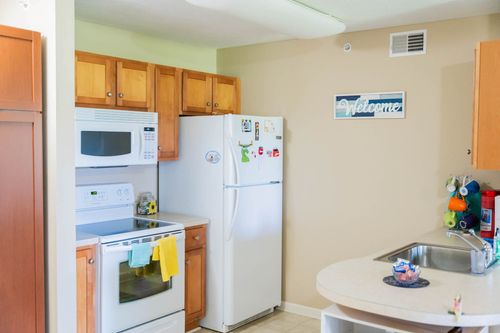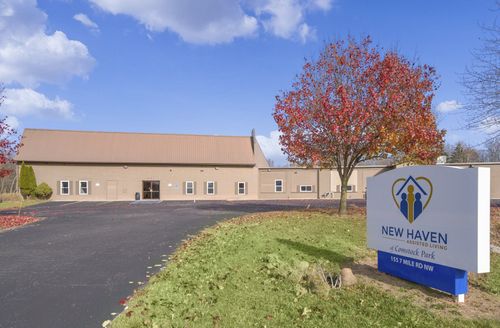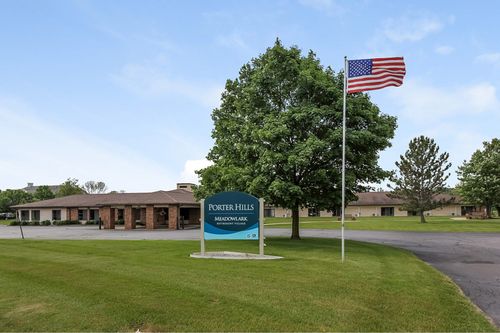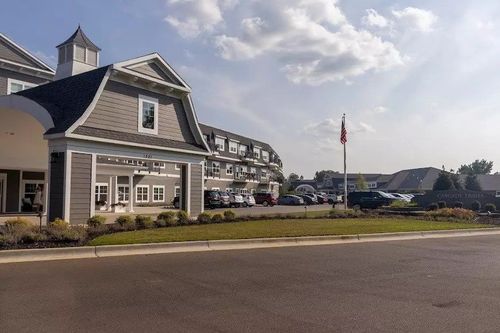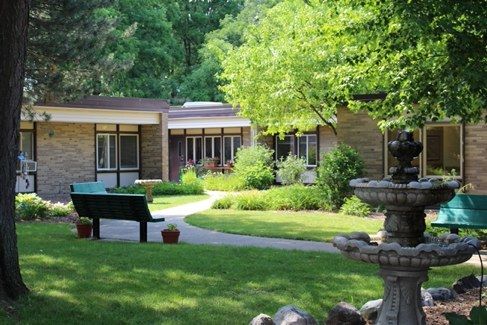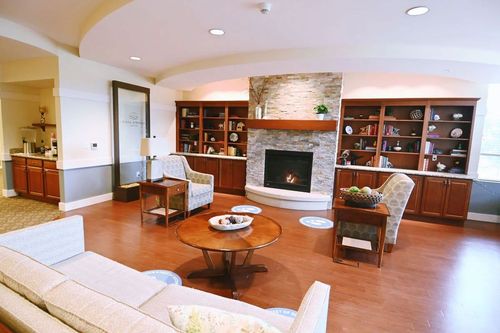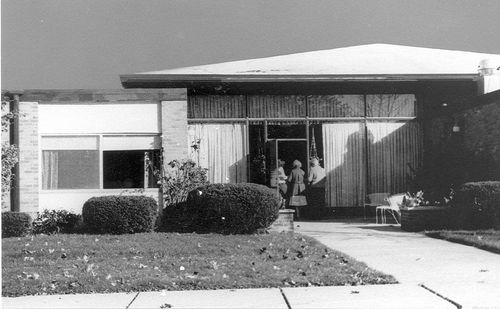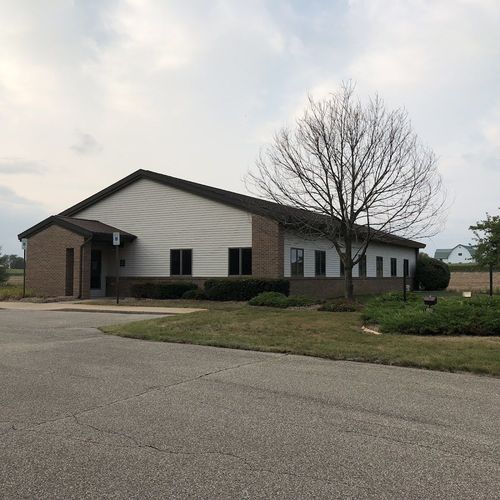
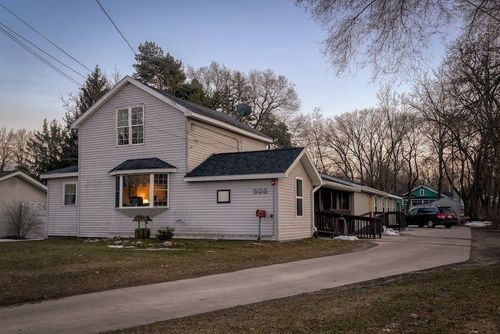
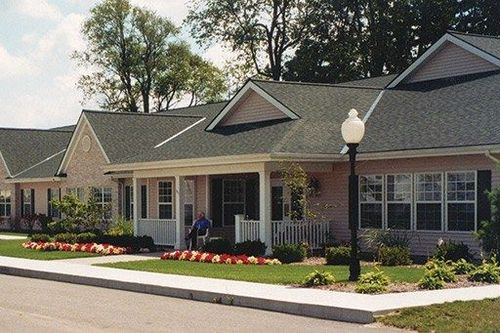
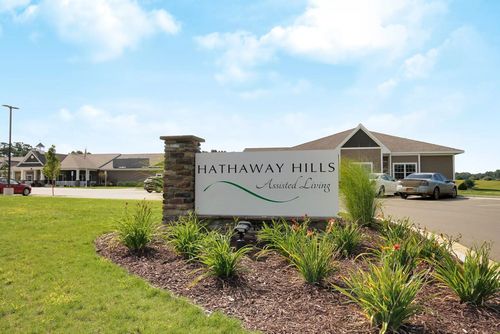
Montcalm County features a localized network of memory care options nestled within its rural towns and small cities. Families navigating a dementia diagnosis discover that specialized support here is concentrated across a handful of communities. These specialized settings range from intimate residential homes to mid-sized dedicated senior properties. Local providers focus on structural safety, utilizing secured building layouts and monitored exits to prevent wandering. By establishing dedicated environments rather than multi-purpose housing, these properties ensure that every square foot serves residents with cognitive changes. Choosing a memory care setting in the area requires understanding the distinction between standalone communities and specialized wings. Local options like Green Acres of Greenville and Hathaway Hills Assisted Living & Memory Care provide structured environments tailored specifically to these progressive cognitive challenges.
Navigating Daily Routines and Specialized Support
Structured routines form the backbone of specialized cognitive support in local residential settings. Staff members guide residents through predictable daily schedules that successfully reduce anxiety and promote behavioral stability. Morning therapeutic activities, shared dining experiences, and evening relaxation periods are carefully timed to match natural energy levels throughout the day.
Physical layouts also reinforce independence while maintaining essential safety barriers to protect seniors. Sensory cues, distinct color coding, and clear sightlines help individuals navigate residential corridors without experiencing confusion or distress. Trained care teams assist with bathing, dressing, and medication administration, adapting their daily approach as individual cognitive needs evolve over time.
Analyzing the Cost of Local Memory Care
Financial planning for specialized dementia services involves understanding local rate structures and tier variations. In this region of Michigan, monthly rates typically span from $4,150 per month on the lower end to $5,493 per month for comprehensive medical care tiers. Base fees generally encompass housing maintenance, utility bills, prepared meals, and foundational community security measures.
Individual community choices alter the final monthly invoice based on the specific neighborhood location and room floor plan. For example, a family might secure a space at Golden Life Assisted Living starting at $4,200 per month. Long-term budgeting must account for potential tier advancements as an individual requires higher levels of physical hands-on assistance over time.
Local Trends in Dementia Care Needs
The requirement for specialized memory housing continues to grow across rural Michigan communities. As the local population matures, more families find themselves searching for secure environments rather than relying solely on home health care providers. This localized pressure means that families often face limited immediate availability when a crisis occurs.
The regional inventory accommodates varying preferences, scale-wise, from small settings with just 10 beds to larger hubs housing up to 65 beds. Securing a preferred layout requires proactive research before a residential change becomes an immediate medical necessity.
Benefits of Choosing Regional Care Options
Staying within the county borders allows seniors to remain close to familiar geographical landmarks, lifelong friends, and long-term medical providers. Families save significant travel time during weekly visits, keeping personal bonds strong without driving long highway distances to larger metro hubs. The peaceful, small-town setting of these local properties offers a calm rural backdrop that heavily benefits sensory-sensitive individuals.
Local communities operate with a deep understanding of regional community values and lifestyle expectations. Shared common spaces are designed to feel familiar, comfortable, and deeply grounded in traditional mid-Michigan aesthetics. This regional familiarity helps ease the difficult emotional transition from a private home into a secure professional care environment.
Finding the Right Memory Care Environment
Navigating local openings and understanding building fit requires careful timing, especially during a sudden hospital discharge. An expert guide helps identify spaces that match a senior's specific cognitive level and behavioral profile. Because these regional locations do not accept Medicaid funding for memory services and maintain strict policies against pets, knowing these structural limits early prevents application mistakes.
Evaluating whether a small 10-bed home or a larger 65-bed community suits your loved one is easier with experienced guidance. If you feel overwhelmed by these choices, it helps to reach out to talk it through.
Our directory for Montcalm County continues to grow as we evaluate providers for quality and alignment in 2026. Start the conversation about memory care in Montcalm County, or scan the buildings we cover at your own pace.